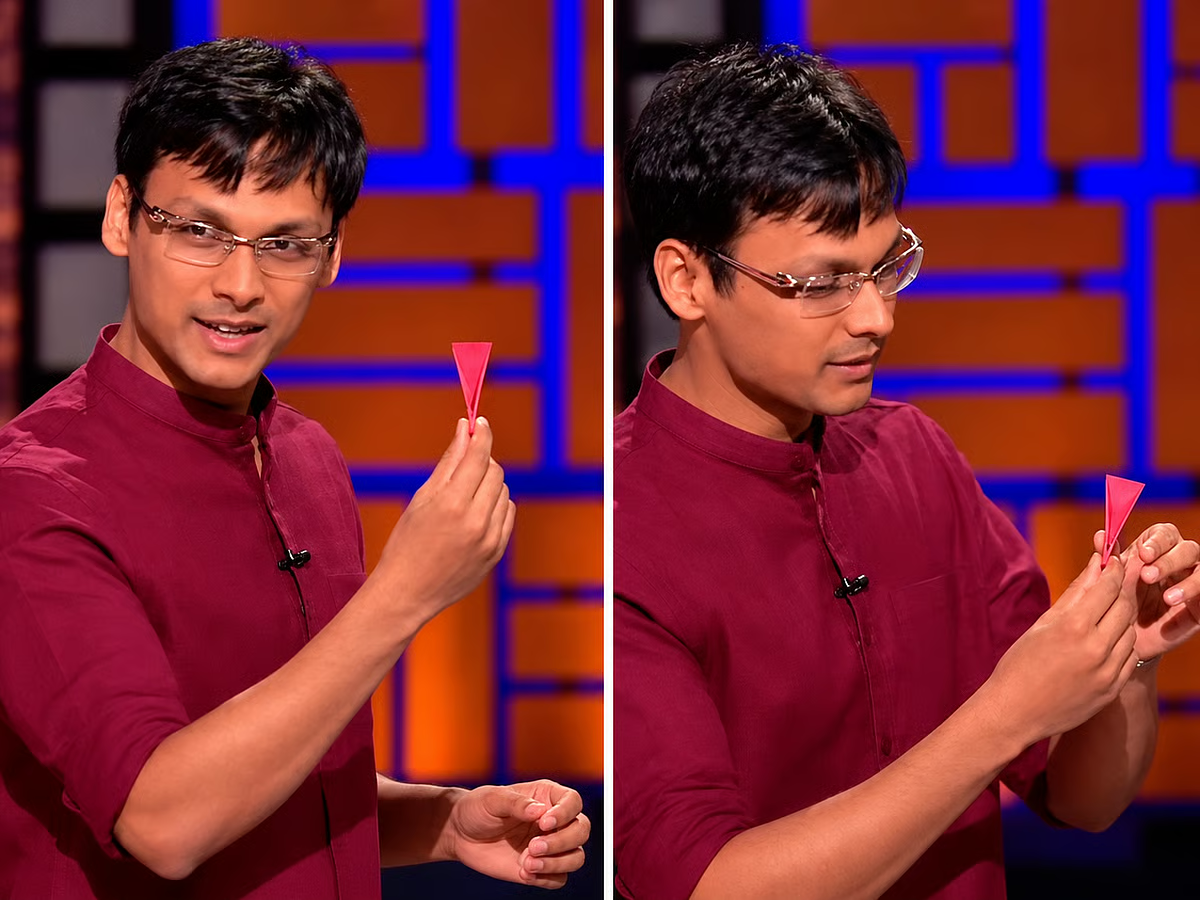

- Dr Bharat Barai praised Prime Minister Narendra Modi’s handling of the situation, describing India’s response as diplomatic and firmly rooted in national interest
- Dr Barai also noted India’s rising global stature, citing stronger ties with Europe, new trade and defence agreements, and expanded engagement with Africa and the Indo-Pacific, underscoring that India’s international standing continues to grow despite current tensions with Washington.
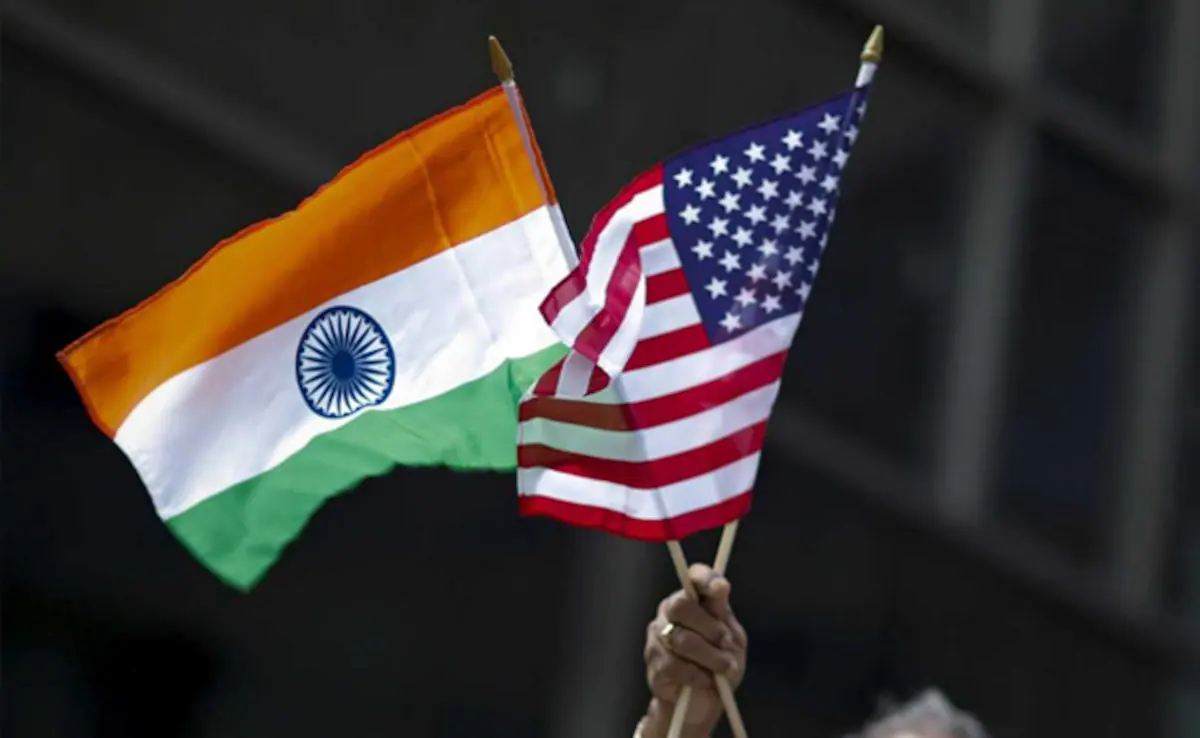
An eminent Indian-American physician and community leader has cautioned that India–United States relations could face a prolonged period of strain unless Washington revisits its recent tariff decisions, which he believes have unfairly targeted New Delhi amid complex global trade and energy realities.
Dr Bharat Barai said that the steady progress achieved in bilateral ties over multiple US administrations has been disrupted by renewed trade measures following President Donald Trump’s return to office. According to him, the latest tariffs appear to be driven more by political considerations than by sound economic strategy, undermining the spirit of partnership between the world’s two largest democracies.
While acknowledging that the United States runs a trade deficit with India, Dr Barai argued that such imbalances should be addressed through calibrated economic tools rather than sharp, sweeping duties. He noted that a more moderate tariff structure could have addressed trade concerns without damaging the broader relationship. In his view, the current approach risks eroding trust built over decades of diplomatic engagement.
- Dr Barai was particularly critical of the additional duties imposed in connection with India’s continued imports of Russian oil
- Although he condemned Russia’s actions in Ukraine, he described India as an unintended casualty of an inconsistent policy framework
- He pointed out that several countries, including China and parts of Europe, continue to import Russian energy without facing comparable penalties
- He also highlighted the strategic leverage China holds through its dominance in rare earth metals, which are vital for global industries ranging from electric vehicles to defence manufacturing
According to Dr Barai, the tariff decisions reflect the influence of a narrow group within the US administration rather than a consensus view of lawmakers. He claimed that many members of Congress privately disagree with the measures but remain reluctant to voice opposition due to political pressures. Recent electoral trends in several US states, he added, suggest growing public unease with unilateral and unpredictable policymaking.
Looking ahead, Dr Barai warned that bilateral relations could remain effectively frozen unless a trade agreement removes the additional duties. He emphasised that India, with a population of 1.4 billion, must prioritise access to affordable and reliable energy, even as it diversifies its oil imports across regions.