

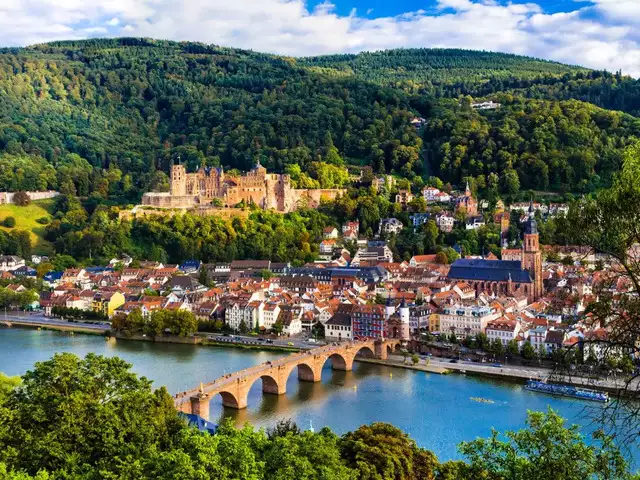
For Indians planning to settle abroad in 2026, Germany offers a balanced mix of opportunity and affordability—provided applicants are prepared, patient and realistic about the transition
PRAVASISAMWAD.COM
For Indian families and professionals considering a move overseas, 2026 is shaping up to be a year of tougher scrutiny and more selective migration pathways. Governments across key destinations such as Canada, Australia, the UAE and Europe are tightening eligibility norms, increasing documentation checks and focusing sharply on skills that match their labour needs. In this shifting global landscape, understanding country-specific options early has become essential to avoid costly missteps and unrealistic expectations.
Migration experts note that compared to the past two years, 2026 will feel noticeably stricter. Many countries are prioritising economic contribution, language readiness and verified employment prospects over open-ended migration routes. Against this backdrop, Germany has quietly emerged as an increasingly practical option for young Indian professionals, particularly those willing to invest time in learning a new language and adapting to a structured system.
One of Germany’s most talked-about pathways is the Opportunity Card, a points-based entry route that allows qualified professionals to enter the country for job search. Applicants must demonstrate financial stability by maintaining a blocked account of €1,091 per month, amounting to €13,092 for a year—roughly ₹13.7 to ₹13.8 lakh. While this upfront requirement may seem substantial, it is still considered manageable when compared to settlement funds demanded by countries like Canada or Australia.
Another attractive route is the EU Blue Card, which is designed for skilled workers with confirmed job offers. From 2025 onwards, the salary threshold stands at €48,300 per year for most professions. This pathway offers long-term security, easier family reunification and mobility across the European Union, making it appealing for professionals seeking stability rather than temporary migration.
-
Cost of living is another factor working in Germany’s favour
-
A single adult typically spends between €900 and €1,100 per month, while a family of four in major cities such as Munich or Frankfurt may require €3,500 to €4,000 monthly
-
These expenses are generally lower than comparable urban centres in Canada or Australia, especially when healthcare and education benefits are factored in
However, Germany is not without its challenges. Language proficiency remains a key hurdle, and bureaucratic processes can be slow, particularly during the initial job-search phase. There is also an inherent risk for those entering without secured employment.