
The aviation sector is closely monitoring the situation, with authorities reviewing risks on a regular basis. As geopolitical tensions continue, the safety of international air travel remains a top priority
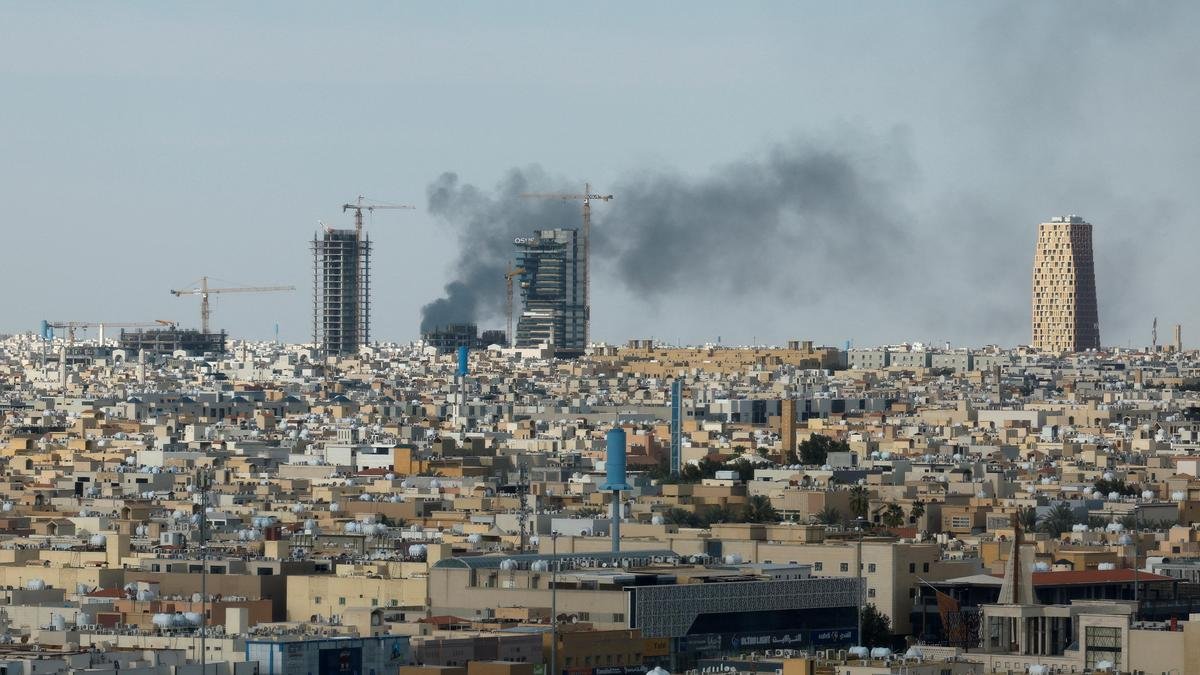
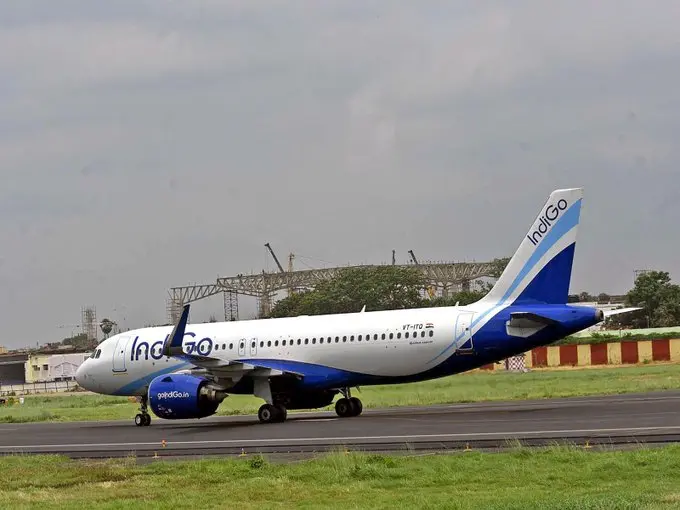
India’s aviation regulator has issued an urgent directive requiring airlines to avoid multiple airspaces across West Asia due to escalating conflict risks. The advisory affects key flight corridors over countries including Iran, Iraq, Israel, and parts of the Gulf, forcing carriers to adopt longer alternative routes.
The move follows recent missile exchanges and near-miss incidents involving civilian aircraft, raising concerns about passenger safety. Airlines have been instructed to revise flight plans, increase fuel reserves, and prepare for extended travel times.
-
Industry estimates suggest that rerouting could add up to 70 minutes to flight durations and significantly increase fuel consumption
-
Major carriers operating routes to Europe and North America are expected to face higher operational costs, which may eventually impact ticket prices
Cargo operations are also likely to be disrupted, particularly during peak export seasons. Logistics companies may need to adjust routes and payload capacities, affecting delivery timelines.
Passengers are being advised to expect delays and possible stopovers at unfamiliar transit hubs. Travel planners are also urging travelers to check visa requirements for alternate routes to avoid complications during unscheduled landings.