

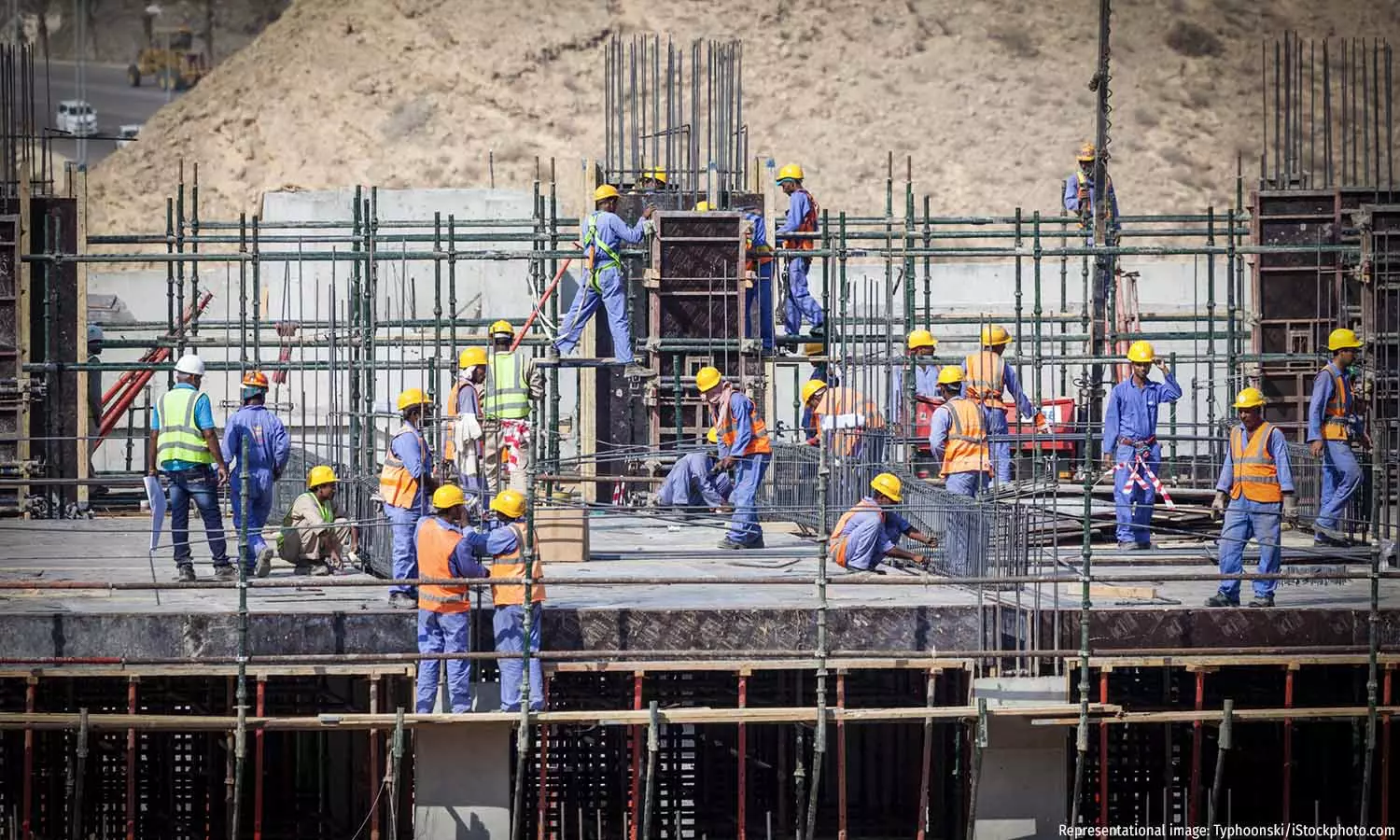
For Indian workers, the development offers greater assurance of protection and reinforces the importance of understanding employment contracts and rights
The United Arab Emirates has introduced stricter employer accountability regulations following a series of worker complaints, including those involving Indian nationals, with the policy changes confirmed within the past 24 hours. The reforms are part of a broader effort to enhance labour protections and improve transparency in employer-employee relationships across key sectors.
Authorities have announced enhanced monitoring systems that will track compliance with employment contracts, wage payments, and working conditions. Employers found violating labour laws may face heavier penalties, including fines, suspension of licences, and restrictions on future hiring. “Accountability mechanisms are being strengthened to ensure fair treatment of all workers,” officials stated.
-
Indian workers, who constitute one of the largest expatriate groups in the UAE, are expected to benefit significantly from these measures
-
Community organisations have welcomed the move, noting that it addresses long-standing concerns related to delayed wages, contract discrepancies, and limited grievance redressal mechanisms
The reforms also include improved access to complaint channels, allowing workers to report violations more efficiently. Authorities have emphasised that complaints will be processed through digital platforms, reducing administrative delays.
Labour experts highlight that such policy shifts reflect the UAE’s ongoing transition toward a more regulated and worker-friendly labour market. “Modernisation of labour frameworks is essential for sustaining economic growth and attracting global talent,” analysts observed.
For Indian workers, the development offers greater assurance of protection and reinforces the importance of understanding employment contracts and rights. It also signals a continued commitment by Gulf countries to align labour standards with international expectations, while addressing the realities of a large migrant workforce.