
Policy observers expect visa processing transparency and student mobility to remain major discussion points throughout 2026 as governments globally tighten oversight of temporary migration pathways
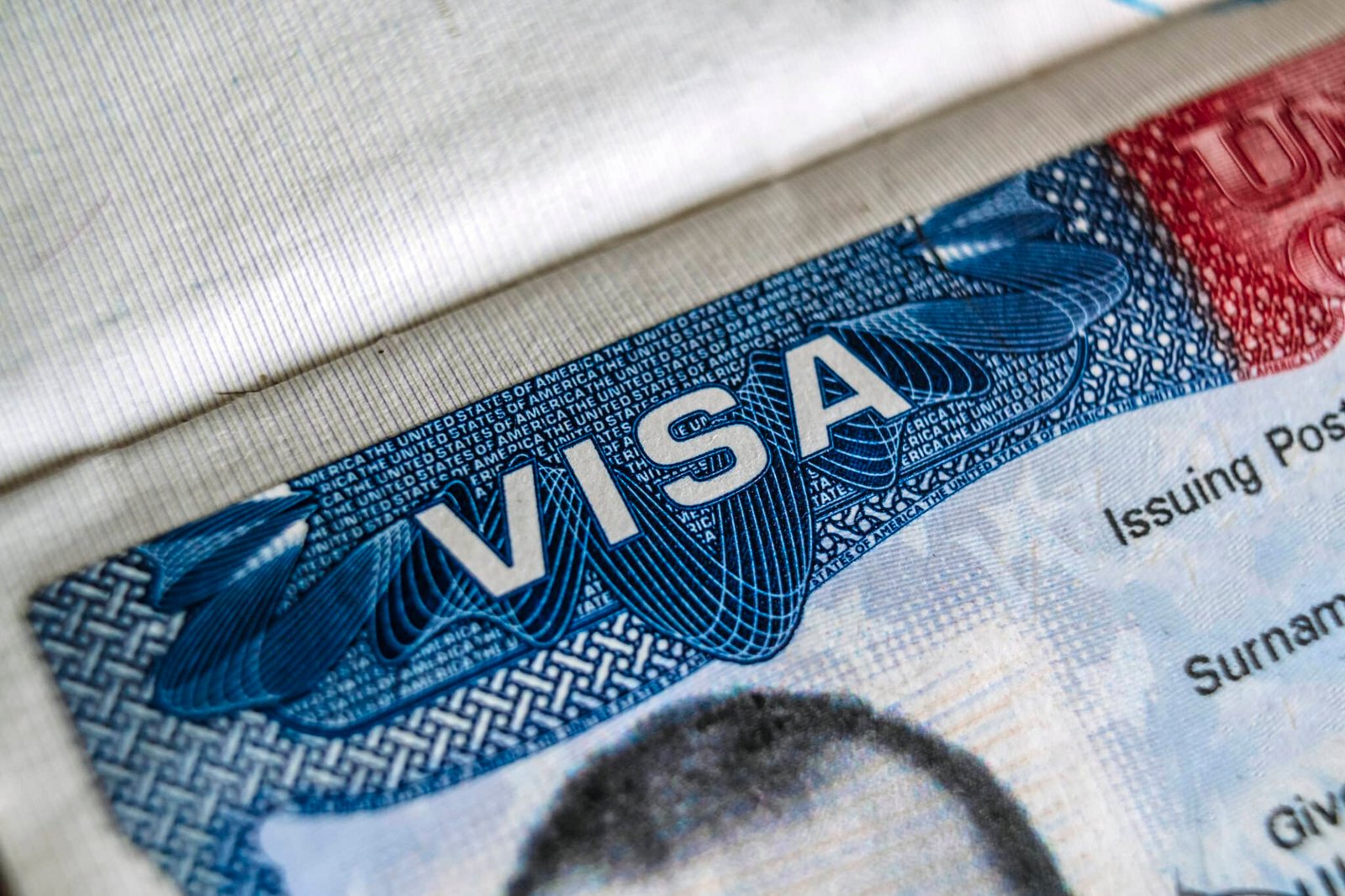
A viral account shared by Indian student Hari Krishna Trivedi regarding his recent US student visa interview experience in Mumbai has intensified anxiety among prospective Indian applicants amid growing concern about visa rejections and immigration uncertainty, according to developments reported during the past 24 hours.
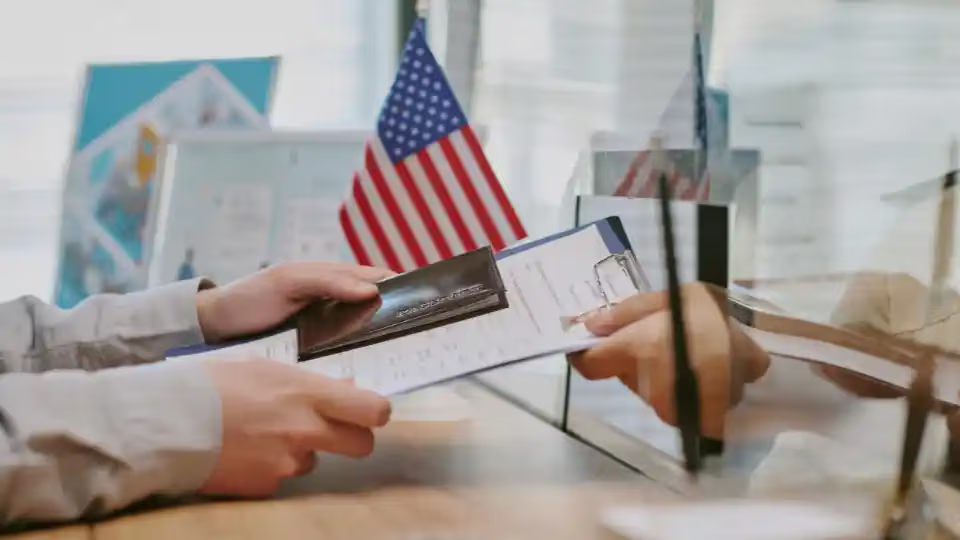
Trivedi, an Ahmedabad-based student preparing to pursue a master’s programme at the New Jersey Institute of Technology, described witnessing numerous visa denials during interviews at the US Consulate in Mumbai before his own application was processed. His account, widely circulated through social media and education forums, highlighted the tense atmosphere surrounding American student visa interviews.
The discussion gained traction among Indian students planning graduate studies in the United States, particularly in STEM fields where Indian nationals remain one of the largest international student groups.
Education consultants stated that growing unpredictability surrounding visa approvals, financial scrutiny, and immigration policy has significantly increased stress levels among applicants and families investing heavily in overseas education plans
Migration analysts noted that Indian students continue viewing American universities as academically prestigious despite heightened concern over immigration restrictions and long-term employment uncertainty.
Several study-abroad advisers reported that students are increasingly preparing more detailed financial documentation and conducting mock visa interviews because of fears surrounding refusal rates.
The issue also reflects broader concern regarding changing global mobility trends affecting international students from South Asia.
Indian student communities online described the psychological pressure created by highly competitive visa interviews and uncertain approval outcomes, particularly for middle-class applicants financing education through loans and family savings.
Higher-education researchers observed that despite these concerns, elite American universities continue attracting strong interest from Indian applicants because of research opportunities, technology-sector connections, and career prospects.