

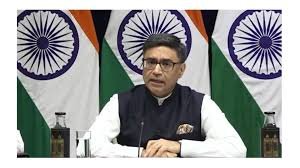
India is now being urged to expand cooperation not only with national governments but also with local authorities and diaspora groups to improve protection and public awareness
As India strengthens ties with foreign governments to protect its citizens abroad, concerns are growing over a rise in discrimination and hostility faced by Indian communities across several countries, including the United States, Canada, Britain and now Ukraine.
Speaking at the UN General Assembly during the Second International Migration Review Forum, India’s Minister of State for External Affairs, Kirti Vardhan Singh said India had signed agreements with 23 countries to safeguard the interests of more than 34 million Indians living overseas. He also highlighted digital support systems and migrant resource centres designed to help Indians moving abroad.
At the same time, tensions are increasing in Ukraine, where labour shortages caused by the ongoing war have pushed authorities to open jobs to migrants from South Asia.
However, the move has triggered strong backlash online and among some political figures.
Social media platforms in Ukraine recently saw a wave of anti-Indian and anti-migrant comments after reports that Indian workers could be hired for municipal cleaning jobs
Similar concerns are being reported in Western countries. In the United States, anti-Indian rhetoric has sharply increased during debates over work visas, especially the H-1B programme, where Indians form the largest group of recipients. Research groups reported a major rise in online hate posts targeting Indians during 2025.
Canada and Britain have also witnessed racist incidents involving members of the Indian community, including verbal abuse, graffiti and religious discrimination. Community organisations have urged governments to take stronger action against xenophobia and hate speech.
Experts believe economic uncertainty, migration fears and growing nationalist politics are contributing to the rise in hostility towards migrant communities worldwide. India is now being urged to expand cooperation not only with national governments but also with local authorities and diaspora groups to improve protection and public awareness.