
Higher H-1B costs, tougher screening and persistent Green Card backlogs are adding uncertainty for Indians seeking to work, study or settle in the US
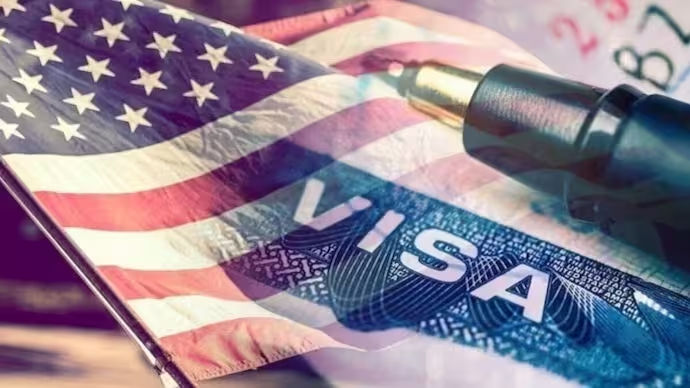
Indian professionals, students and families seeking to move to the United States are facing a more restrictive immigration environment in 2026, with the Trump administration introducing or proposing measures that could increase costs, scrutiny and processing uncertainty.
One of the biggest developments is a proposed $103,265 fee for H-1B petitions subject to the annual cap. The Department of Homeland Security published the proposal on August 25, with public comments open until September 24. If implemented, the charge would come on top of existing fees and could significantly increase the cost for employers hiring skilled foreign workers.
The administration is also considering further changes to H-1B rules, including tighter controls on cap exemptions and third-party placements. Such measures could have a disproportionate effect on Indian technology professionals, who make up a large share of H-1B beneficiaries.
-
Visa screening has become another major concern
-
The State Department has temporarily paused immigrant visa processing worldwide while consular officers receive training on stricter assessments of whether applicants could become dependent on US public assistance
-
The move has disrupted appointments and left applicants waiting for further instructions
Indian applicants also continue to face lengthy Green Card queues. The August 2026 Visa Bulletin shows India’s employment-based categories remain heavily backlogged, particularly EB-2 and EB-3.
For Indian students, tougher visa scrutiny is also affecting decisions about studying in America. Recent reports indicate applications from Indian students to US colleges have fallen by about 15%.
Taken together, the changes point to a US immigration system that is becoming more expensive and closely scrutinised, making careful planning increasingly important for Indian applicants.