
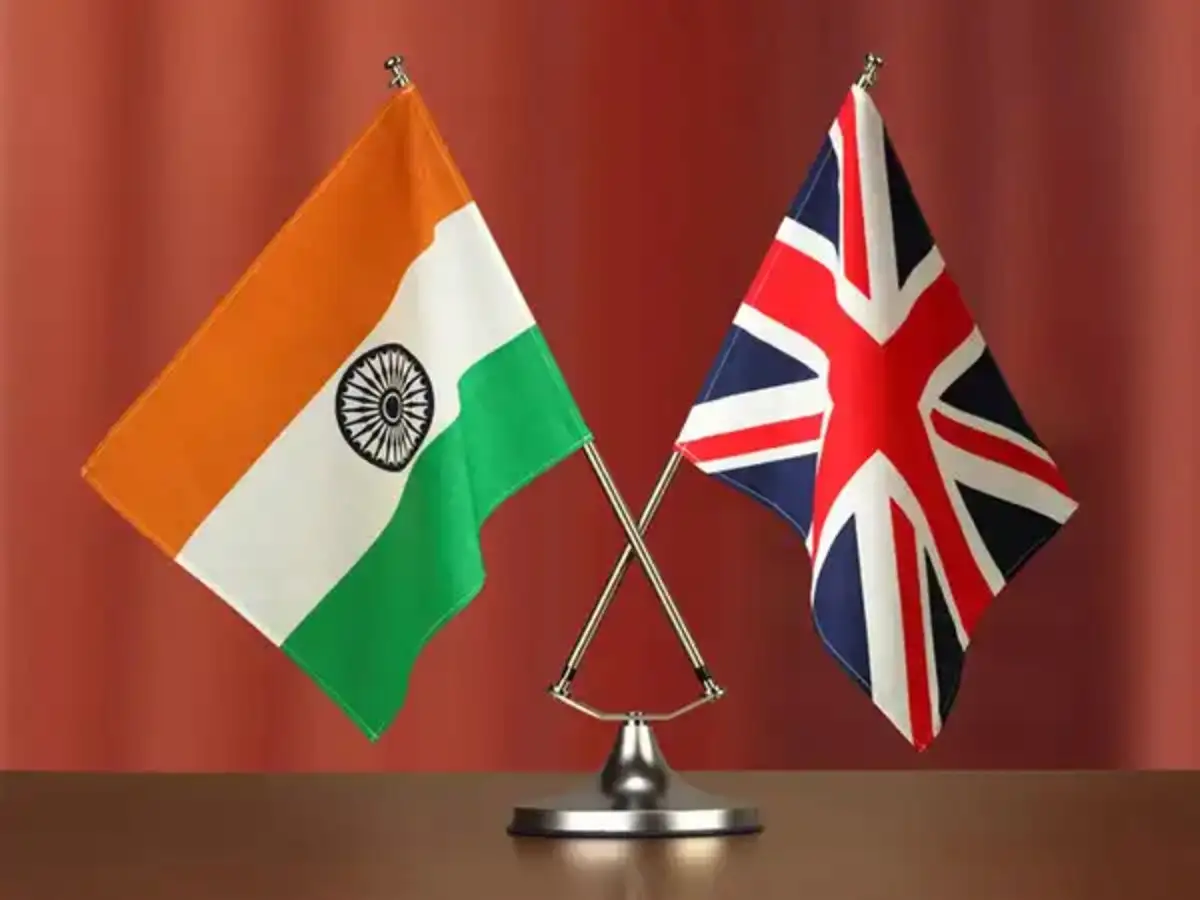
Three months after the landmark agreement took effect, fresh investments, tariff reductions and improved access to markets are giving momentum to economic ties between India and the United Kingdom
The India-UK Comprehensive Economic and Trade Agreement (CETA) is beginning to translate into commercial opportunities, with new deals worth more than £1 billion announced during a British trade mission to India in October 2026.
The agreement, which came into force on 15 July, aims to reduce trade barriers, expand market access and strengthen economic cooperation between the two countries. The latest developments suggest that businesses are beginning to use the new framework to explore investment, exports and employment opportunities.
A British delegation comprising businesses, government ministers and regional mayors visited India for discussions on trade and investment. The visit coincided with the 16th India-UK Joint Economic and Trade Committee meeting, co-chaired by India’s Commerce and Industry Minister Piyush Goyal and UK Business Secretary Jonathan Reynolds.
The new commercial agreements include investments expected to create hundreds of jobs, underlining the potential for closer cooperation in technology, aviation and other sectors.
-
A central feature of CETA is the reduction or removal of customs duties on a wide range of goods
-
The UK has eliminated tariffs on 96.8 per cent of tariff lines, covering 97.7 per cent of trade by value, providing Indian exporters with wider access to the British market
Tariff reductions offer exporters a boost
Textiles, leather goods, footwear, marine products, gems and jewellery, and processed foods are among the Indian sectors expected to benefit from improved price competitiveness.
India, in turn, is reducing tariffs on British products in phases. The agreement also provides for lower duties on selected alcoholic beverages and automobiles, subject to agreed conditions and quotas.
The benefits will depend on businesses meeting the agreement’s rules of origin and other applicable requirements.
Services and professional mobility
Beyond goods, the agreement expands opportunities across 137 services sub-sectors, including information technology, financial services, professional services, education and business services.
A linked social security arrangement allows eligible Indian employees temporarily working in the UK, and their employers, to avoid paying social security contributions in both countries for up to five years. The measure is intended to reduce costs for businesses deploying Indian professionals overseas.
Government procurement and digital trade are other areas covered by the agreement, creating additional avenues for companies seeking contracts and cross-border partnerships.
Long-term ambitions
The UK government estimates that the agreement could increase annual bilateral trade by £25.5 billion in the long run and add £4.8 billion to UK GDP. These are projections rather than guaranteed outcomes.
Both countries have broader ambitions to increase bilateral trade substantially by 2030. Achieving these targets will require sustained investment, effective implementation and greater participation by small and medium-sized businesses.
For Indian exporters, the agreement offers an opportunity to diversify markets and strengthen their position in Britain. For UK businesses, it provides a more favourable route into India’s large and expanding economy.
The immediate challenge will be to turn tariff concessions and policy commitments into sustained trade growth, productive investment and jobs in both countries.