Two Indian sailors remain missing after an October 11 drone attack off Oman, highlighting the dangers faced by maritime workers and gaps in their protection
Indian seafarers working on commercial vessels in conflict-hit waters of West Asia face mounting risks as attacks on merchant ships disrupt shipping routes and threaten crew safety. The latest incidents off Oman have renewed concerns about the protection, evacuation and compensation of Indian maritime workers caught in a conflict they have no part in.
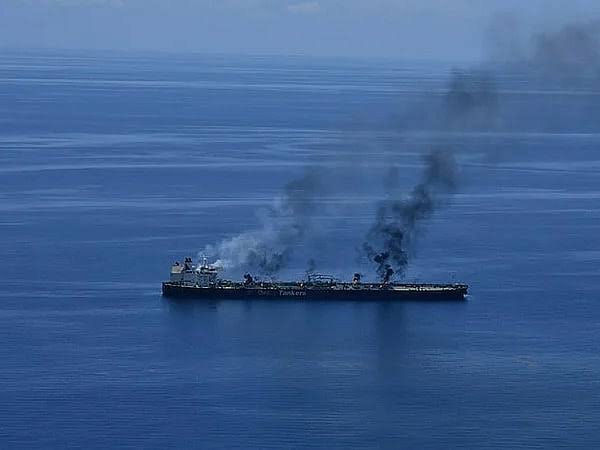
Two Indian seafarers were reported missing after the tanker MT Petro Dolphin, carrying 11 Indian crew members, was struck by a drone at Sohar Anchorage off Oman on October 11. Nine crew members were rescued. On the same day, another vessel, MT Valthera, carrying 11 Indian seafarers, was hit by a projectile and caught fire. All its crew members were reported safe.
India condemned the attacks, while the Indian Embassy in Muscat coordinated with Omani authorities and the ship management companies to locate the missing sailors and assist affected crew members.
Rising toll among Indian maritime workers
India is among the world’s leading suppliers of seafarers, with more than 300,000 Indian maritime professionals working across international fleets. Their presence on foreign-flagged vessels exposes many to risks arising from regional conflicts, including missile and drone attacks on commercial shipping.
-
Government figures reported on October 8 indicated that 11 Indian seafarers had died in the West Asia conflict, while five others had been killed in the Black Sea amid the Russia-Ukraine war
-
The latest incidents off Oman have added to concerns over the continuing danger in the region
The Strait of Hormuz, a vital passage for global oil and gas shipments, has become particularly hazardous. Attacks and security threats have disrupted maritime traffic, forcing shipping operators to reassess voyages and crew deployment.
Livelihoods compete with safety
For many Indian seafarers, working in high-risk waters is linked to financial necessity. International shipping jobs can offer substantially higher wages than some domestic opportunities, making dangerous assignments difficult to refuse for workers supporting families.
However, the financial consequences of a death or injury can vary according to employment contracts, insurance coverage and applicable compensation arrangements. Families may face delays and uncertainty while seeking benefits and legal assistance.
Government steps and continuing concerns
India has strengthened monitoring, emergency coordination and assistance for seafarers in affected waters. The Directorate General of Shipping has also introduced measures to improve crew tracking and safety oversight, while authorities have facilitated the return of thousands of Indian seafarers from the region.
Despite these efforts, questions remain about how effectively workers can be protected when commercial vessels continue operating near active conflict zones. The latest attacks underline the need for stronger safety procedures, transparent compensation arrangements and timely support for affected families.
For India’s maritime workforce, the challenge is not simply to bring stranded sailors home, but to ensure that earning a livelihood does not expose them to unacceptable risks at sea.