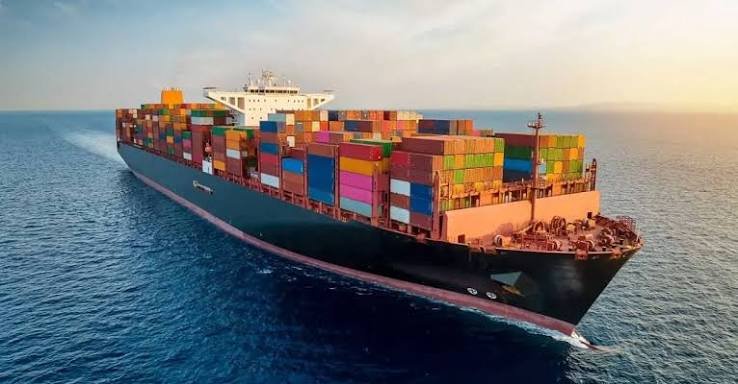

Early trade data points to a rise in Indian shipments to the UK and a decline in imports following the implementation of the bilateral trade agreement.
Indian merchandise exports to the United Kingdom rose 8 per cent year-on-year to $2.43 billion in August and September 2026, while imports from Britain declined nearly 17 per cent to $1.36 billion, according to trade data released after the two countries implemented their free trade agreement in July.
The figures cover the first two full months after the India-UK Comprehensive Economic and Trade Agreement (CETA) came into force on July 15, offering an early indication of bilateral trade trends.
India’s exports to the UK increased by more than 10 per cent to $1.26 billion in August compared with the same month last year. Shipments rose by around 5.5 per cent to $1.17 billion in September, following a 4.2 per cent decline in July.
-
Imports from Britain followed a different trajectory
-
They rose nearly 12 per cent to $639 million in July and more than 24 per cent to $733 million in August before falling around 40 per cent to $630 million in September
-
The decline was partly attributed to lower imports of precious metals, particularly silver
Trade experts have cautioned against drawing firm conclusions from the initial figures, noting that a detailed assessment will require commodity-level data to establish which sectors have benefited most from the agreement.
Provisional data released by the Commerce Ministry on October 15 showed that India’s merchandise exports to the UK increased 7.22 per cent to $7.32 billion during April-September 2026, compared with $6.83 billion in the corresponding period last year. Imports fell 1.6 per cent to $4.06 billion from $4.13 billion.
The agreement provides zero-duty access for nearly 99 per cent of Indian exports to the UK, covering almost the entire value of India’s exports to the British market. Key sectors expected to benefit include textiles, leather goods, marine products, gems and jewellery, toys, engineering goods, chemicals and automobile components.
The pact also reduces British tariffs on selected products entering India, including whisky, gin and cars, through phased cuts and quotas. It further seeks to facilitate services trade, professional mobility and cross-border business activity.
The early figures suggest stronger Indian export performance, but the agreement’s longer-term impact will depend on whether the gains continue as businesses adjust to the new trading arrangements.