

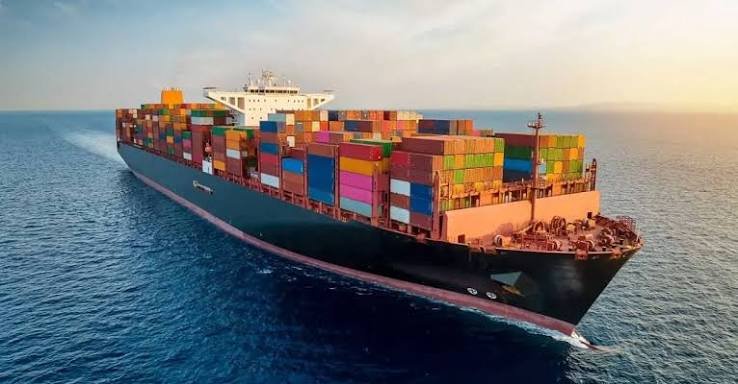
Shipping costs have risen sharply since February, while India’s container-based exports and imports continue to expand, according to a Jefferies report
Global container freight rates have surged 130 per cent since February 2026 as escalating tensions in the Middle East disrupt shipping routes and raise transportation costs, according to a report by financial services firm Jefferies.
Freight rates, which had declined through much of 2025 and early 2026, have reversed course in recent months. The average cost of shipping a container has risen from around $2,000–$2,500 in February to approximately $4,000–$4,500 in October, highlighting the renewed pressure on international supply chains.
The increase comes amid continuing geopolitical uncertainty in West Asia, where security concerns have complicated shipping operations. Higher freight charges could add to costs for businesses importing raw materials and finished goods, although the extent of the impact will vary across industries and trade routes.
India’s container-based export and import trade has continued to grow despite the rise in shipping costs. The value of container-based trade increased 23 per cent year-on-year in September, according to Jefferies. Exports rose 22 per cent, while imports grew 23 per cent during the month.
Trade performance differed across major markets. Indian exports to the United States increased 48 per cent year-on-year in September. However, shipments to the United Arab Emirates and Saudi Arabia declined by 12–15 per cent compared with the same month a year earlier.
-
Port activity also presented a mixed picture. Cargo volumes at major Indian ports rose 13 per cent year-on-year in September, while non-major ports recorded a one per cent decline
-
Among non-major ports, volumes increased in Gujarat, Maharashtra and Tamil Nadu, while several ports on the eastern coast reported sharp falls
Jefferies identified a possible return of shipping lines to the Suez Canal as an important factor to watch, even as tensions persist in the region. A broader resumption of traffic through established routes could influence freight rates and transit times.
For Indian exporters and importers, the outlook will depend partly on geopolitical developments, shipping capacity and the availability of safer, more efficient maritime routes.