

Policy observers expect international education and migration settings to remain central issues in Australia’s economic and political debates throughout 2026
Australian universities and education-sector organisations have intensified warnings regarding the economic impact of declining Indian student visa approvals following fresh data and policy discussions reported within the past 24 hours.
University representatives stated that stricter immigration scrutiny and higher refusal rates for applicants from India and other South Asian countries are affecting enrolment projections, tuition revenues, and long-term workforce planning across Australia’s higher-education sector.
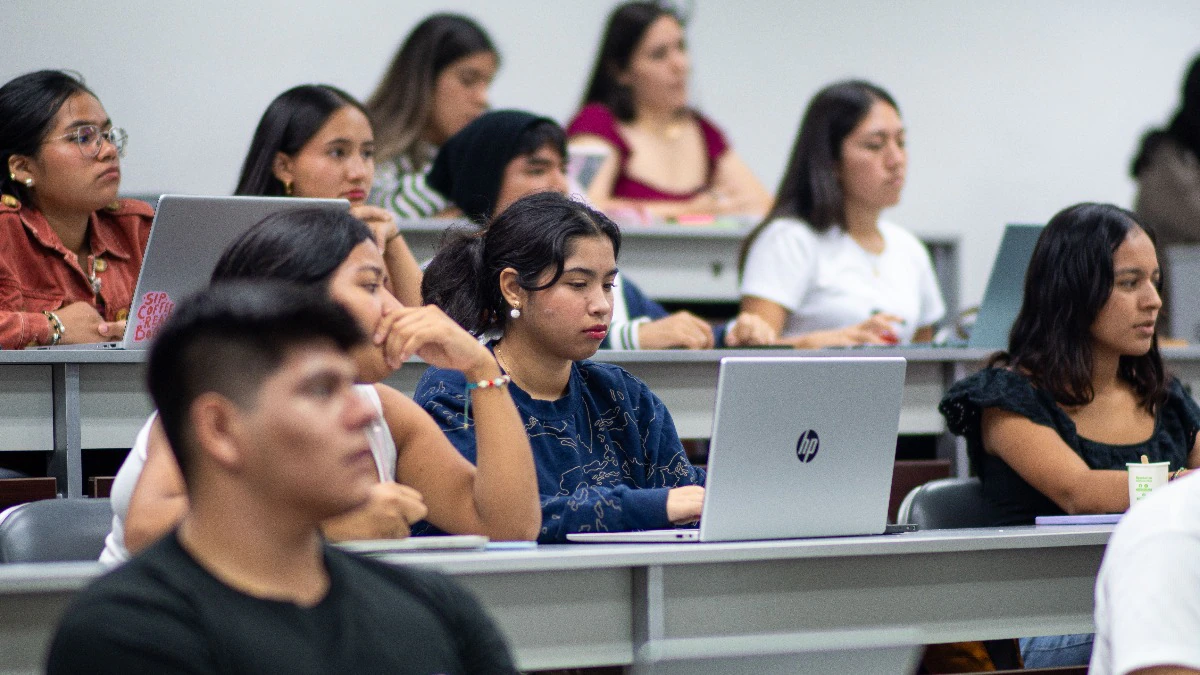
Recent visa statistics discussed within academic and migration-policy circles showed significant declines in approval rates for Indian applicants compared with previous years. Education analysts noted that Indian students historically formed one of Australia’s largest and fastest-growing international student populations.
University administrators warned that declining overseas enrolment could affect research funding, staffing levels, regional economies, and local businesses dependent on international student spending.
The issue has become politically sensitive because Australia’s international education industry contributes billions of dollars annually to the national economy while also supporting skilled migration pipelines in healthcare, engineering, information technology, and business sectors
Indian student groups in Melbourne and Sydney stated that rising rejection rates and increasing documentation requirements are creating uncertainty for families investing heavily in overseas education.
Migration experts observed that Australia’s policy tightening reflects broader government efforts to manage housing pressure, temporary migration growth, and concerns regarding misuse of education-linked visa systems.
However, university leaders argued that overly restrictive measures may weaken Australia’s global competitiveness at a time when European countries are aggressively recruiting Indian students and skilled graduates.
Indian diaspora organisations also raised concerns regarding the psychological and financial impact on students facing delayed approvals and changing migration expectations.
Labour economists warned that reduced international student intake may eventually affect Australia’s long-term skilled workforce pipeline, particularly in sectors already experiencing recruitment shortages.