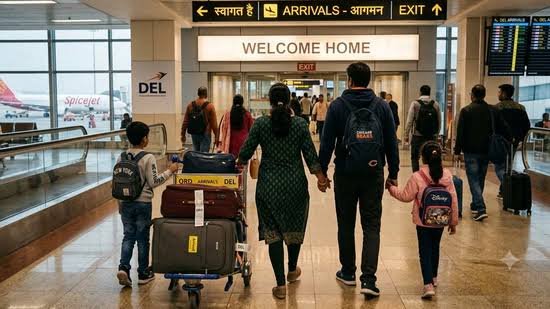

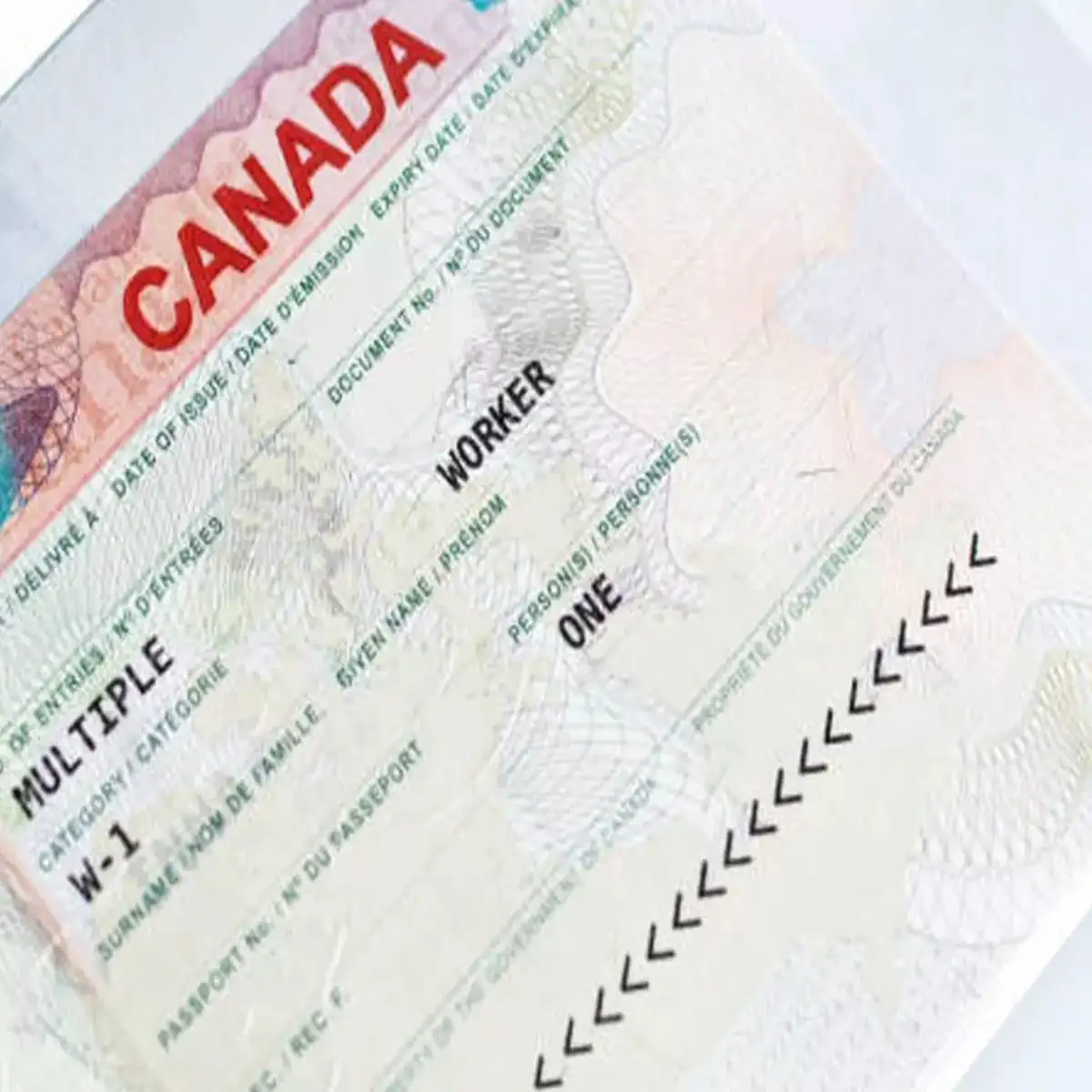
The move marks a turning point in Canada’s global education positioning, with long-term implications for Indian student mobility and migration trends
PRAVASISAMWAD.COM
Canada’s decision to impose a fresh cap on international student permits is set to significantly reshape outbound education flows from India, with early signals pointing to heightened competition and shifting destination preferences. The cap, introduced to ease pressure on housing, healthcare, and local infrastructure, will be implemented through provincial quotas tied to institutional capacity and compliance.
Indian students, who form the largest international cohort in Canada, are expected to be disproportionately affected. Education consultants report a surge in last-minute applications as students attempt to secure spots before provincial allocations tighten further. Universities are already recalibrating intake strategies, prioritising high-demand programs aligned with labour market needs.
-
For Indian applicants, the implications are immediate. Admission rates may fall, processing timelines could lengthen, and the overall cost of securing a place may rise due to limited availability
-
Some students are beginning to pivot toward alternative destinations such as Germany, Ireland, and Australia, while others are reconsidering timelines altogether
Policy observers say the cap reflects a broader recalibration of Canada’s immigration model—from expansion to sustainability. However, concerns remain over transparency in quota distribution and the risk of creating bottlenecks in already competitive admission cycles.
Community organisations have urged authorities to ensure fairness, particularly for genuine students who rely on Canada’s education-to-immigration pathway.