
-
CM Naidu also thanked NRIs for their strong support during recent elections, stating that their involvement helped restore Andhra Pradesh’s reputation within 18 months
-
The event witnessed enthusiastic participation from Telugu families across 20 European countries
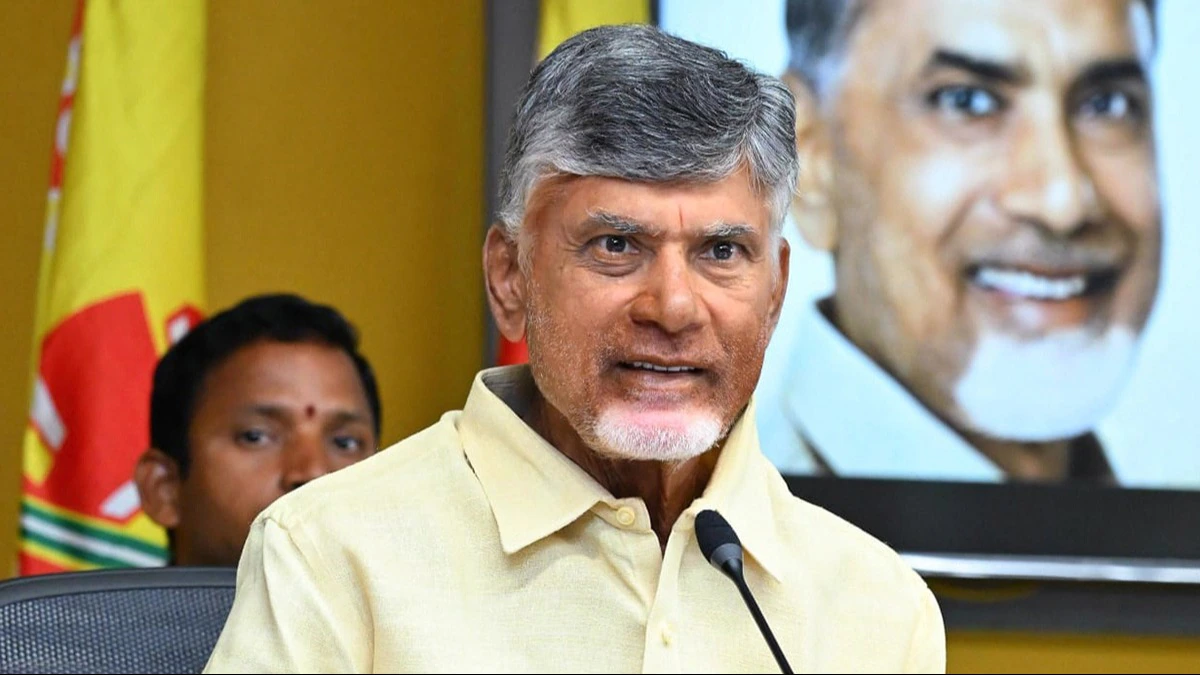
Andhra Pradesh Chief Minister N Chandrababu Naidu has called upon Telugu Non-Resident Indians (NRIs) to move beyond being job seekers and take the lead as job creators. Addressing a gathering of the Telugu diaspora in Zurich during his Davos tour, Naidu said his greatest satisfaction comes from seeing Telugu people succeed across the world in every sector.
Highlighting the growing global presence of the Telugu community, Naidu noted that while Telugu participation at Davos was once minimal, today the community is spread across 195 countries, with organised NRI networks in 148 nations. He encouraged NRIs to actively invest in Andhra Pradesh and contribute to its economic growth.
To support this vision, the Chief Minister announced the launch of a ₹50 crore AP NRI Corpus Fund aimed at promoting entrepreneurship and industrial ventures among overseas Telugus.
The CM also revealed that students pursuing higher education abroad would be eligible for loans at a concessional interest rate of 4 per cent, backed by State guarantees
Naidu further announced plans to set up a major research and innovation hub, ‘AP First’, in Tirupati in collaboration with premier institutions such as IITs and IISERs. The centre is expected to promote innovation and create employment opportunities for youth.
Emphasising the government’s ‘One Family–One Entrepreneur’ policy, Naidu urged NRI families to explore business opportunities in the State. He suggested that in households where both partners work abroad, one could consider returning to start a business in Andhra Pradesh.
The Chief Minister highlighted major investments secured by the State, including Google’s largest India project, ArcelorMittal’s ₹1 lakh crore steel plant, and a $10 billion green ammonia project by AM Green in Kakinada. These initiatives, he said, could generate up to 20 lakh jobs.