
-
Karnataka Deputy Chief Minister responds to Donald Trump’s proposed $5,000 payment to Americans, pointing to the state’s earlier financial assistance scheme
-
Shivakumar Claims Trump’s $5,000 Promise Mirrors Congress Welfare Schemes
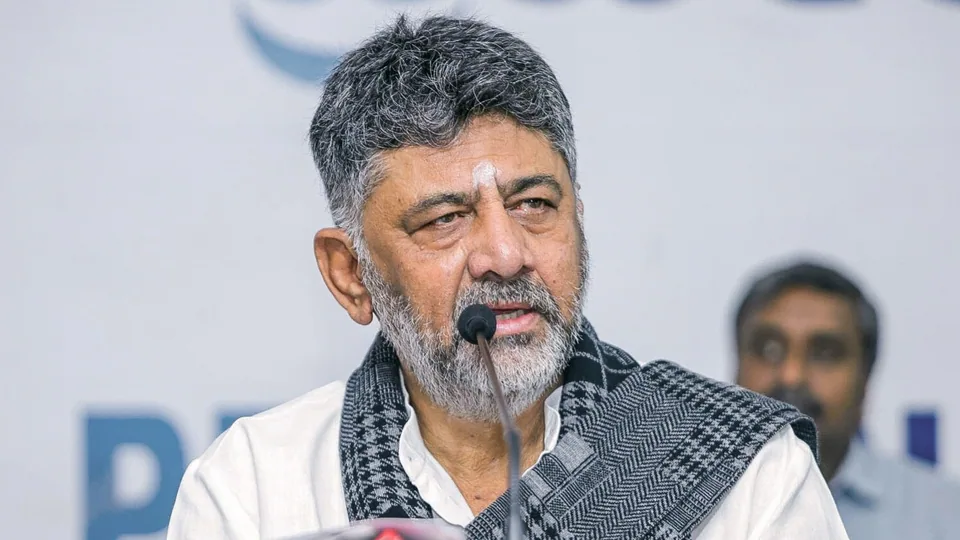
Karnataka Deputy Chief Minister DK Shivakumar has claimed that US President Donald Trump’s proposed $5,000 payment to American adults reflects the welfare model introduced by the Congress government in India.
Speaking at an event in Bengaluru, Shivakumar said Congress’s welfare initiatives had already been replicated in several Indian states, including Maharashtra, Madhya Pradesh, Rajasthan and Bihar. He suggested that Trump’s proposal showed the model was now attracting attention beyond India.
“Even the US is copying us,” Shivakumar said, referring to Trump’s proposed payment. His remarks were reported by NDTV on September 15.
Trump’s proposed payment
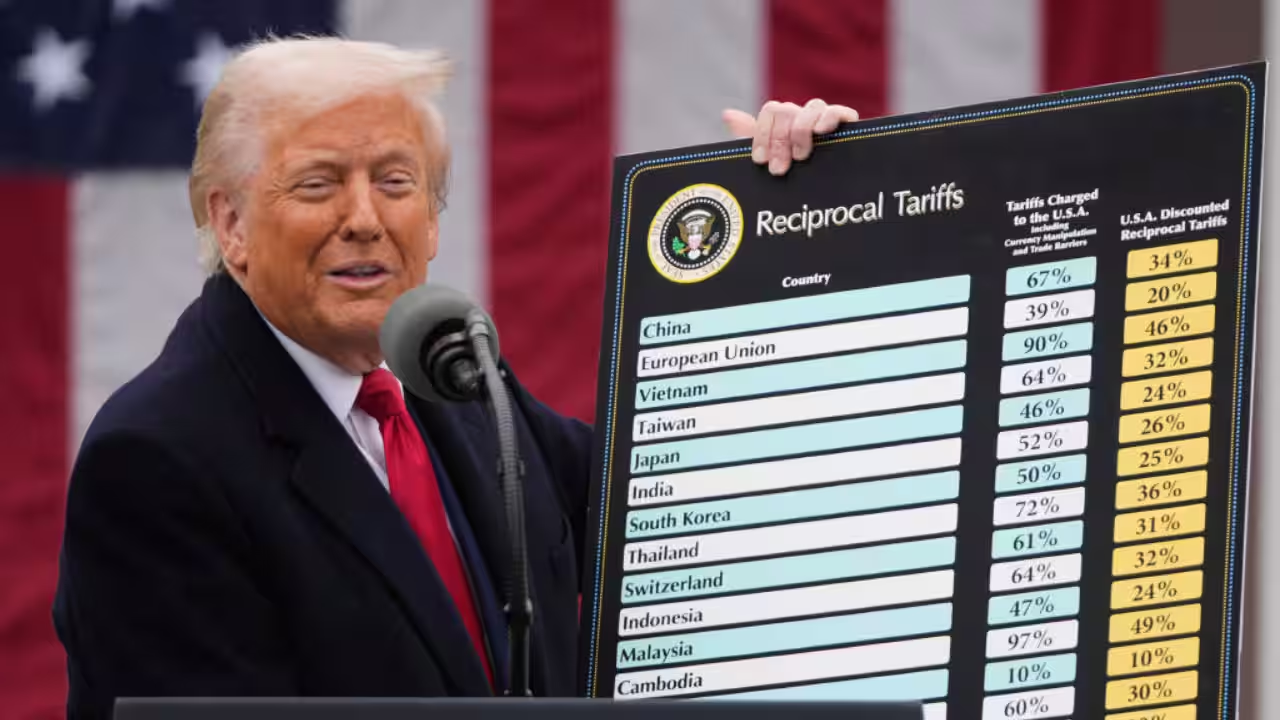
Trump announced the proposed “Trump Dividend” during a Republican midterm convention in Dallas. He said every American adult could receive $5,000 if Republicans retain control of Congress in the November 2026 elections.
The proposal has drawn questions over its funding, cost and legal requirements. US House Speaker Mike Johnson has said congressional approval would be needed before such payments could be issued. Estimates suggest the scheme could cost more than $1 trillion.
Trump has argued that the money could be financed through government revenue, including tariffs. However, details of the proposed payment, including eligibility and implementation, remain unclear. Vice President JD Vance has also suggested that higher-income Americans may not qualify.
Congress welfare model
Shivakumar’s comments come as Congress continues to highlight its welfare programmes as a central part of its political platform. Karnataka’s government has promoted financial assistance and other guarantee schemes as measures aimed at supporting households.
His remarks frame Trump’s announcement as a reflection of the wider appeal of direct financial assistance. However, the US proposal remains subject to political and legislative decisions, and no payments have been authorised under the announced plan.