
Patrick Branco Ruivo will leave the tower’s operating company at the end of 2026 after an investigation found serious operational failures surrounding a Hindu delegation’s visit
The head of the company operating the Eiffel Tower will step down at the end of the year following a controversy over the exclusion of female employees during a private visit by a Hindu religious delegation.
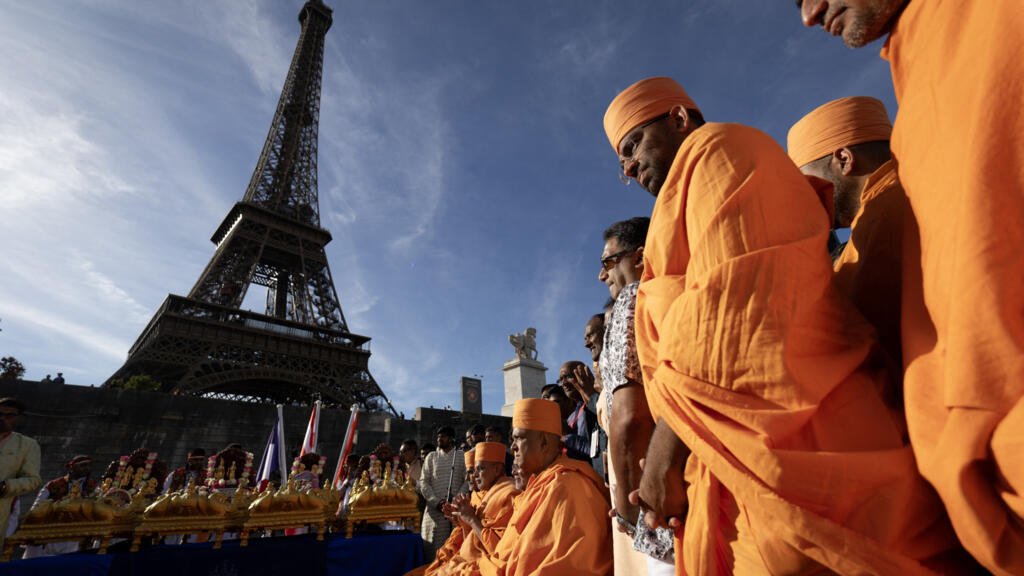
Patrick Branco Ruivo, director general of the Société d’Exploitation de la Tour Eiffel (SETE) since 2018, announced his departure after an independent investigation examined the events surrounding a September 5 visit by about 100 members of the Bochasanwasi Akshar Purushottam Swaminarayan Sanstha (BAPS).
SETE said the inquiry found “operational flaws and shortcomings” that resulted in female staff being sidelined. The company described the exclusion as unacceptable and acknowledged that arrangements limiting interactions between the delegation and women should not have been accepted.
According to staff representatives, some female employees were asked to leave their workstations or move to separate areas while male colleagues took their positions. The incident led to a staff protest and the Eiffel Tower was closed on September 7 as employees staged a strike.
-
BAPS, which was in France for the inauguration of a new Hindu temple near Paris, has denied requesting that women be removed because of their gender
-
The organisation said the arrangements were intended as an operational measure linked to the size of the delegation and the religious practices of its monks
-
A senior BAPS representative later said the group had not asked for female employees to be excluded
The controversy prompted criticism from French political leaders and renewed debate over gender equality and the principle of neutrality at public landmarks.
SETE chairman Ariel Weil said the company would establish a dedicated protocol department and introduce measures and training aimed at strengthening gender equality.
The Eiffel Tower, owned by the City of Paris, attracts millions of visitors each year and is one of France’s most recognisable national symbols.