

-
Punjab Additional Director-General of Police (NRI) assured the court that an SOP would be drafted, and police officers trained accordingly
-
The court granted three months to place a draft SOP on record and allowed the formation of a committee for wider inputs
-
The matter will be heard next on April 21
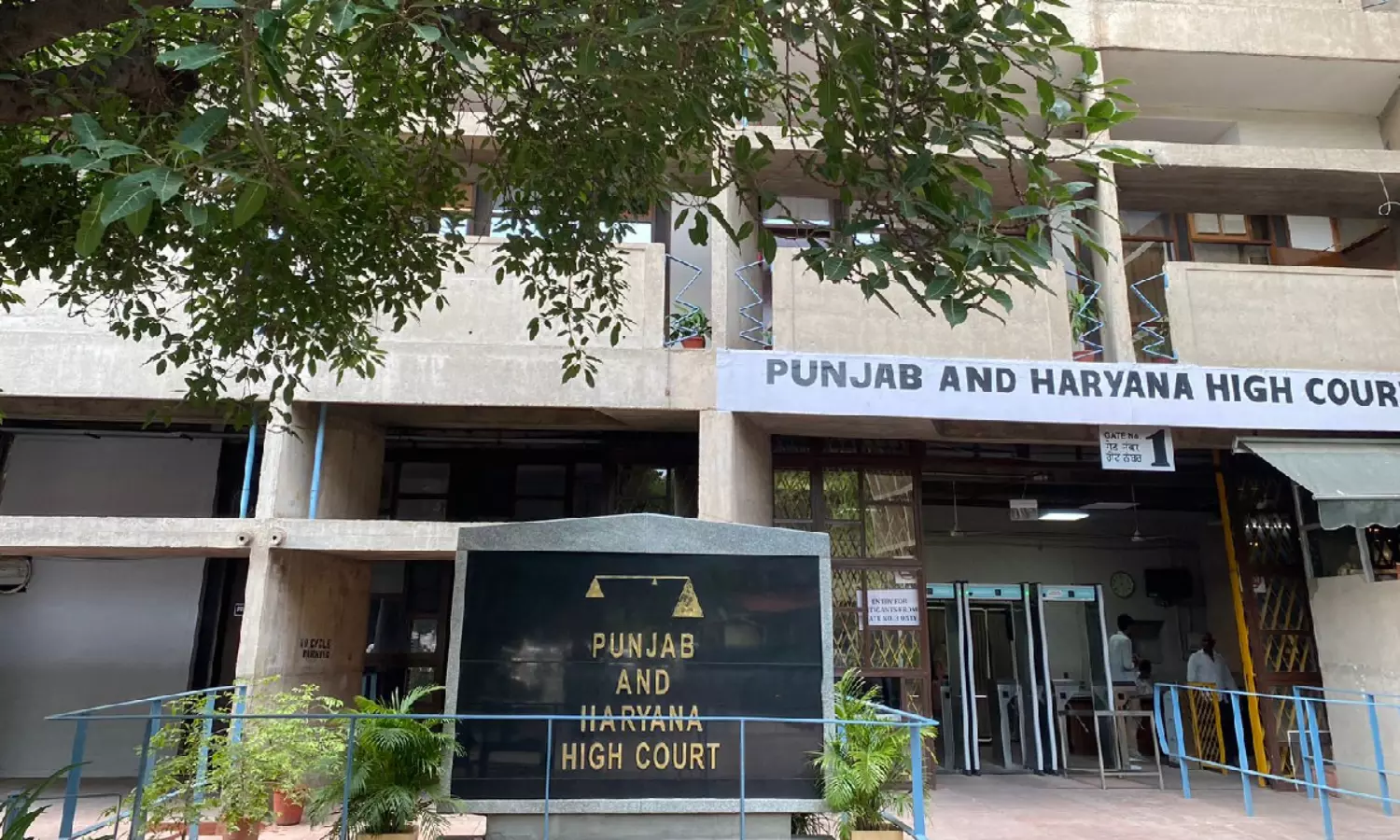
The Punjab and Haryana High Court has expressed serious concern over the growing practice of registering First Information Reports (FIRs) solely on the basis of complaints sent by email to the Punjab NRI Cell. Calling the situation “glaring and alarming”, the court has directed the Punjab government to frame and implement a clear Standard Operating Procedure (SOP) to handle such complaints in a careful, fair and lawful manner.
Justice Alok Jain issued the directions while hearing a petition linked to an NRI dispute. At the outset, the court observed that the case highlighted deeper systemic problems, where FIRs were being registered without adequate verification. The judge stressed that the issue required an institutional solution rather than case-by-case fixes.
During the hearing, Punjab Additional Director-General of Police (NRI) RK Jaiswal joined via video conference. He informed the court that the situation at the ground level was “extremely bad”. He pointed out that many women faced fraud at the time of marriage and later suffered harassment after moving abroad. At the same time, he noted that complaints were now increasingly coming from men as well, showing that such disputes were no longer one-sided.
Taking note of these submissions, the court said the changing nature of NRI-related complaints demanded a cautious and balanced approach. Justice Jain underlined the need to verify allegations thoroughly and to first establish whether any offence had actually taken place within India’s jurisdiction before registering an FIR.
Referring to the basic principles of criminal law, the court said the purpose of law is to protect citizens, not to encourage misuse or illegal gain. It also reminded complainants of their duty to disclose the complete truth.