
- Ultimately, the abolition of the Kafala system represents a pivotal moment in Gulf labour governance
- For India, it is an opportunity to shift from being primarily a source of labour to becoming an active partner in Saudi Arabia’s economic transformation—provided both nations translate reform into durable, worker-centric institutions
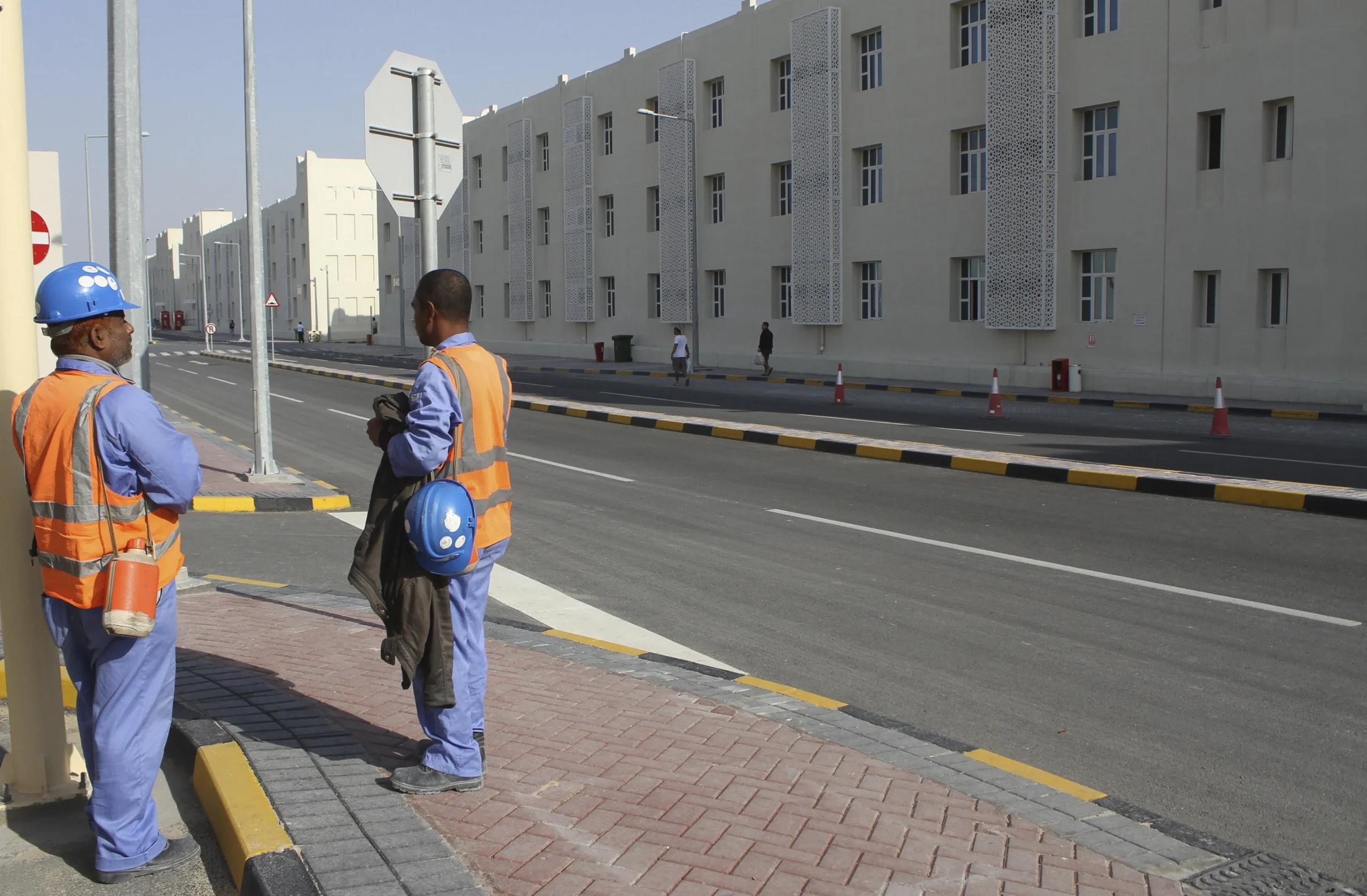
Saudi Arabia’s decision to abolish the decades-old Kafala sponsorship system marks one of the most significant labour reforms in the Gulf in recent years, carrying major implications for India and its nearly 2.5 million citizens working in the Kingdom. For years, the Kafala framework governed the relationship between foreign workers and employers, often restricting job mobility and contributing to vulnerabilities such as low wages, exploitative conditions and limited legal recourse. International criticism intensified through the COVID-19 pandemic and global attention on migrant rights, eventually pushing the Kingdom to initiate sweeping changes in June 2025.
- The reform is timely for India, whose labour ties with Gulf nations form a core pillar of its foreign policy
- Saudi Arabia has long relied on Indian workers across construction, retail, domestic services and an expanding services sector
- With the end of the Kafala system, Indian workers now stand to gain from improved freedom of movement, better workplace protections and clearer dispute-resolution pathways
- This shift also allows India to reshape its labour diplomacy—moving from crisis response toward proactive cooperation focused on skill development, welfare systems and streamlined remittances
Saudi Arabia’s move aligns with its Vision 2030 ambitions, which aim to modernise the economy and reduce dependence on low-skilled, sponsor-controlled migrant labour. For India, this signals the need to reimagine its role in the Gulf labour ecosystem. As job mobility increases, New Delhi has an opportunity to strengthen training pipelines, negotiate sector-specific mobility agreements and position Indian workers for higher-skilled roles that match the Kingdom’s evolving economic priorities.
On the diplomatic front, the reform removes a long-standing friction point in India–Saudi relations: worker welfare. A more transparent labour environment provides India with a stable platform to deepen strategic, economic and investment partnerships with Riyadh. It also opens space for creating regional training hubs, joint skill-certification programmes and new pathways for Indian professionals to participate in Saudi Arabia’s transforming economy.
However, challenges remain. Historically, labour reforms in the Gulf have faced uneven implementation, leaving workers vulnerable despite policy changes. India will need to strengthen its consular capacity, offer clearer pre-departure guidance and build efficient mechanisms for grievance redressal. Competition from other labour-supplying nations will also intensify, making it critical for India to invest in skills and service quality to maintain its edge.