
Research partnerships focus on critical mineral supply chains, lower-emissions steelmaking and skills development
Australia and India have completed a series of research partnerships aimed at strengthening critical mineral supply chains and supporting the development of lower-emissions steelmaking technologies, Australia’s national science agency CSIRO said in a report published on Wednesday.
The India–Australia Critical Minerals Research Partnership and India–Australia Green Steel Research Partnership were launched in 2023 with combined Australian Government funding of A$22.6 million. The three-and-a-half-year programmes brought together researchers, universities, industry and government agencies from both countries.
The partnerships addressed challenges across mineral exploration, processing, manufacturing and steel production, while also supporting the development of skilled workers for the two sectors
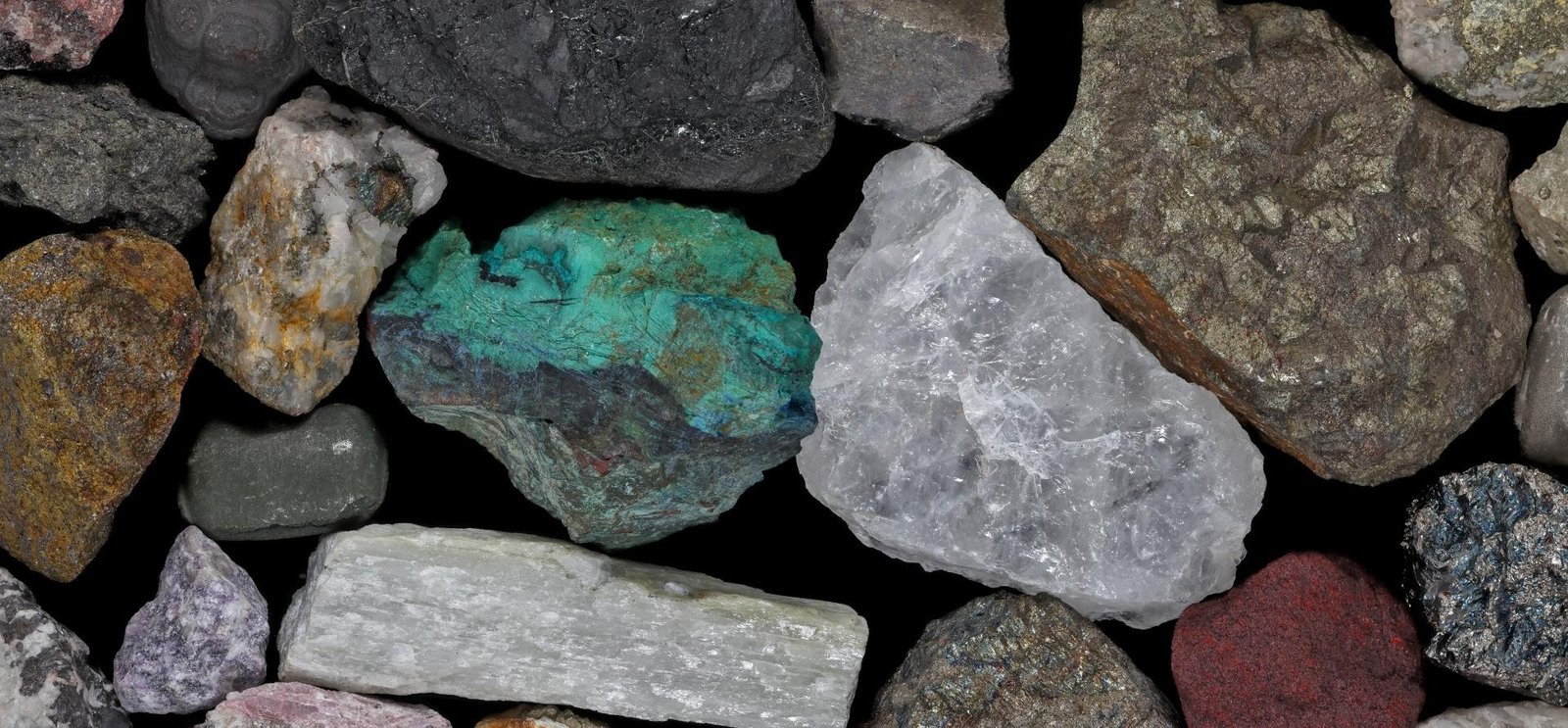
Critical minerals research covered four projects, including the identification of mineral deposits, titanium-vanadium processing, rare earth mineral processing and the production of battery cathode materials.
Researchers also examined ways to recover rare earth elements and convert them into useful metal forms. Another area of work focused on materials used in lithium-ion and sodium-ion batteries.
The green steel programme examined technical barriers across the iron and steel value chain. Researchers studied the challenges posed by lower-grade hematite and goethite iron ores, which are found in both Australia and India and may not be suitable for some emerging low-carbon steelmaking processes.
CSIRO said the work was intended to support practical approaches to reducing emissions from steel production.
The partnerships also included the India–Australia Minerals Scholars Network, which supported 28 student projects involving critical minerals, batteries, iron ore processing, green steel, carbon capture and hydrogen technologies.
Students and early-career researchers took part in research exchanges, internships, workshops, technical courses and international study opportunities.
The programmes involved 10 research projects and 28 student projects, helping establish longer-term links between scientific institutions in the two countries.
CSIRO said the formal programmes had concluded, but the research networks and collaborations created through them were expected to support future work in critical minerals, green steel and workforce development.