
Indian west coast terminals are handling growing Middle East-bound cargo as shipping lines seek alternatives amid disruptions to established regional routes
India is emerging as an increasingly important transshipment option for Middle East-bound cargo as shipping lines adjust their networks in response to continuing disruptions in the region.
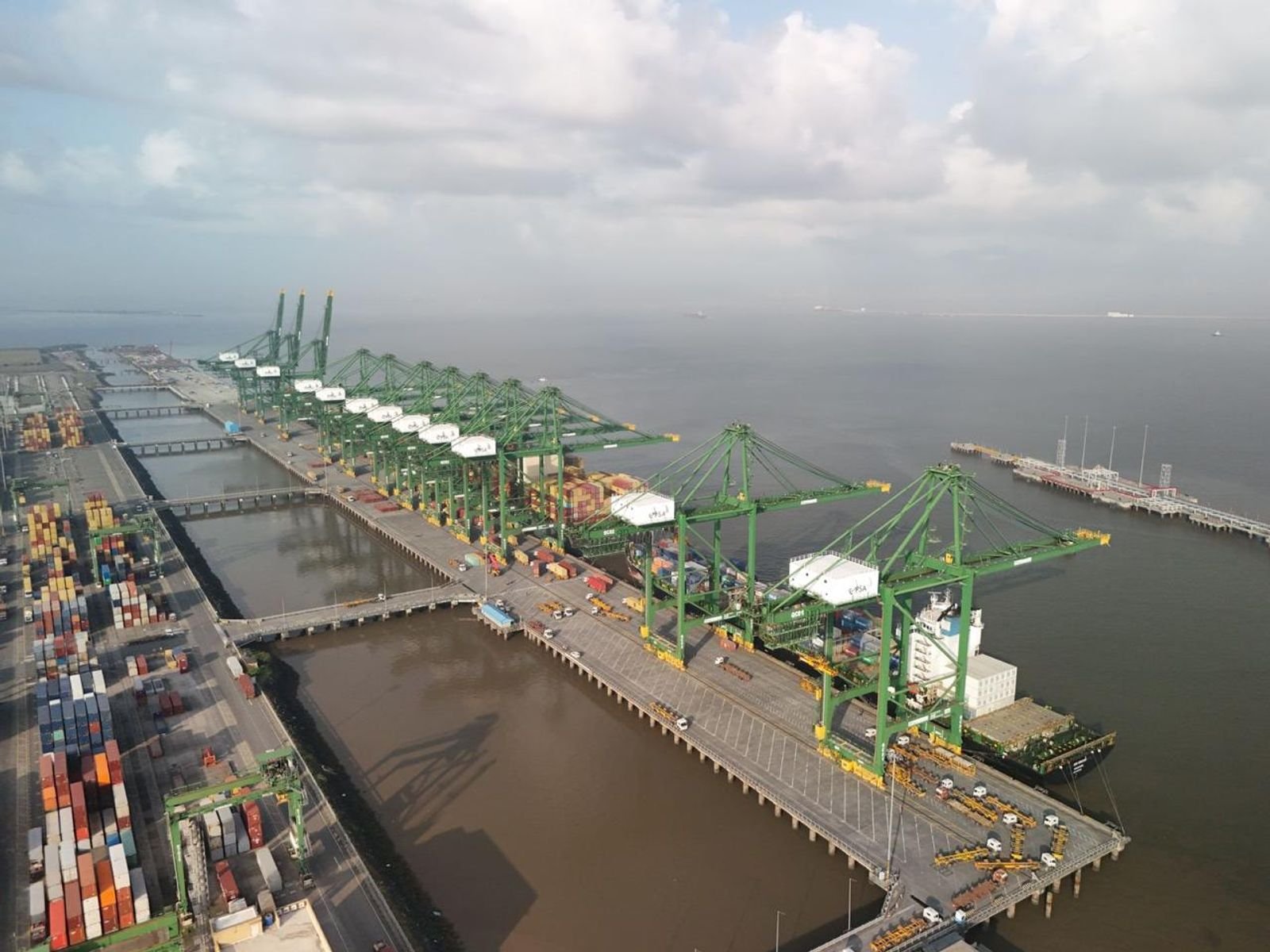
Container volumes at Indian west coast ports, particularly Jawaharlal Nehru Port Authority (JNPA), have risen sharply as carriers use Indian terminals to relay cargo destined for the Middle East. The shift is no longer limited to cargo moving between Asia and the Gulf, with shipments originating in Europe, the US and Africa also being routed through India.
The development is giving India an opportunity to strengthen its ambition of becoming a regional maritime hub. The country has invested heavily in deep-water port infrastructure, including Vizhinjam, while existing facilities such as JNPA and Mundra are gaining importance as alternative gateways.
JNPA introduced temporary transshipment storage and additional terminal capacity earlier this year to manage Middle East-bound cargo affected by shipping disruptions. The government has also coordinated measures covering customs, storage and vessel calls to keep trade moving.
-
New shipping services are reinforcing the trend
-
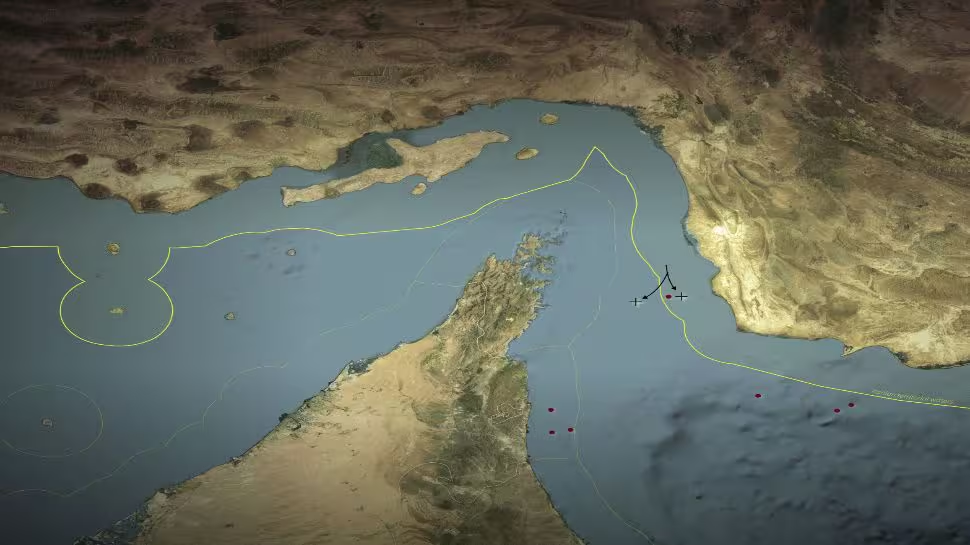
DP World recently launched a fortnightly service linking Indian ports with Fujairah in the UAE, Sohar in Oman and Aden, providing connections to Middle Eastern markets without relying on routes through the Strait of Hormuz
Industry analysts say the increased use of Indian ports could bring longer-term benefits if shipping lines retain some of these network changes after regional disruptions ease. Greater transshipment activity could improve port utilisation, support logistics and warehousing businesses and reduce India’s dependence on overseas hubs.
For India, the immediate challenge is to convert temporary demand into sustained maritime connectivity, while ensuring that port capacity, feeder services and logistics infrastructure can support larger regional cargo flows.