
-
No invigilators, open-book exams
-
An Indian student’s experience of examination practices in the United States highlights differences in academic trust, student responsibility and attitudes towards cheating
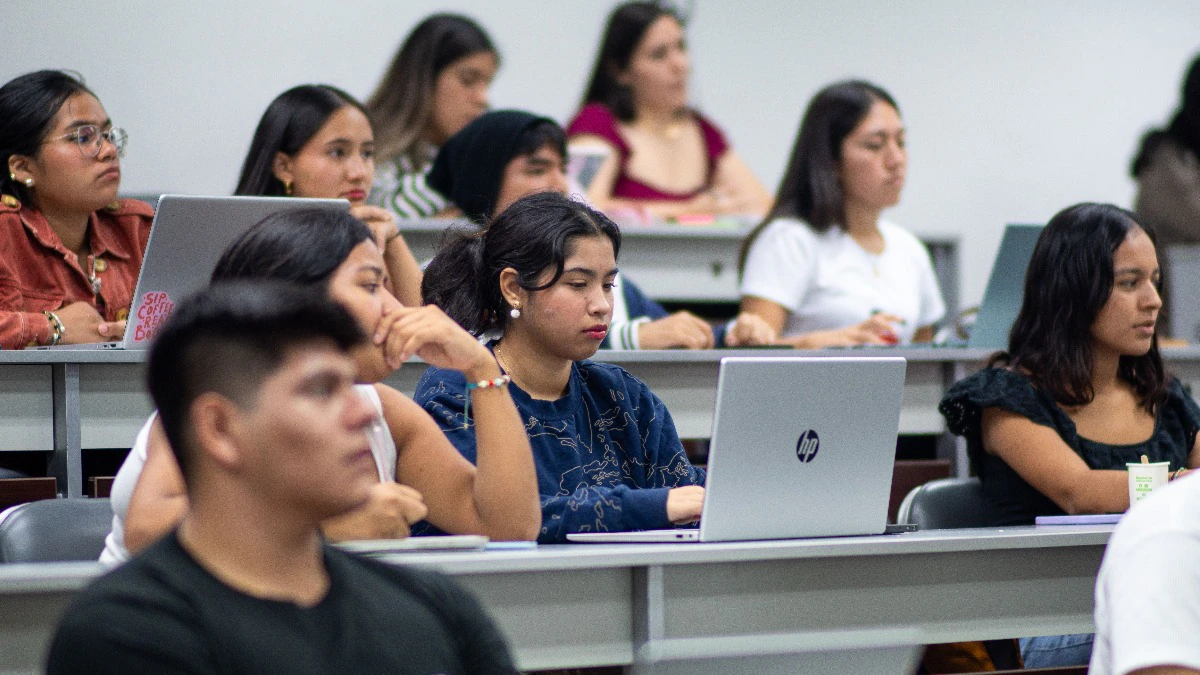
An Indian student studying in the United States has drawn attention to differences in examination practices after describing the absence of invigilators and the use of open-book tests as a major cultural shock.
The experience, reported by NDTV, has highlighted contrasting approaches to academic integrity and the responsibility placed on students in different education systems.
For students accustomed to closely supervised examinations, the prospect of taking a test without an invigilator can seem unusual. In India, many school and university examinations are conducted under strict supervision, with students expected to follow detailed rules governing the use of books, notes and electronic devices.
The approach in the United States can be different, depending on the institution, course and assessment format. Some examinations permit students to consult textbooks, notes or other authorised resources, while certain assessments may be conducted with limited direct supervision. Such arrangements are generally designed around the nature of the test and the learning objectives being assessed.
-
Open-book examinations do not necessarily make tests easier
-
Rather than relying solely on memorisation, students may be expected to demonstrate their understanding, apply concepts and analyse information
-
Questions can be designed to assess reasoning and problem-solving rather than the ability to reproduce facts
The contrast also draws attention to the role of academic integrity. Where examinations depend on students following rules without constant supervision, honesty becomes an important part of the assessment process. Universities typically establish academic conduct policies that prohibit unauthorised assistance, plagiarism and other forms of cheating.
However, examination practices vary widely across American institutions, just as they do across Indian schools and universities. It would therefore be inaccurate to assume that all US examinations are unsupervised or that every Indian institution follows the same model.
The student’s account offers a glimpse into the adjustments international students may face beyond the classroom curriculum. Differences in teaching methods, assessment and expectations can be as striking as changes in language or lifestyle.
For students moving abroad, understanding these academic norms is an important part of adapting to a new educational environment, where independent learning and personal responsibility may receive a different emphasis.