

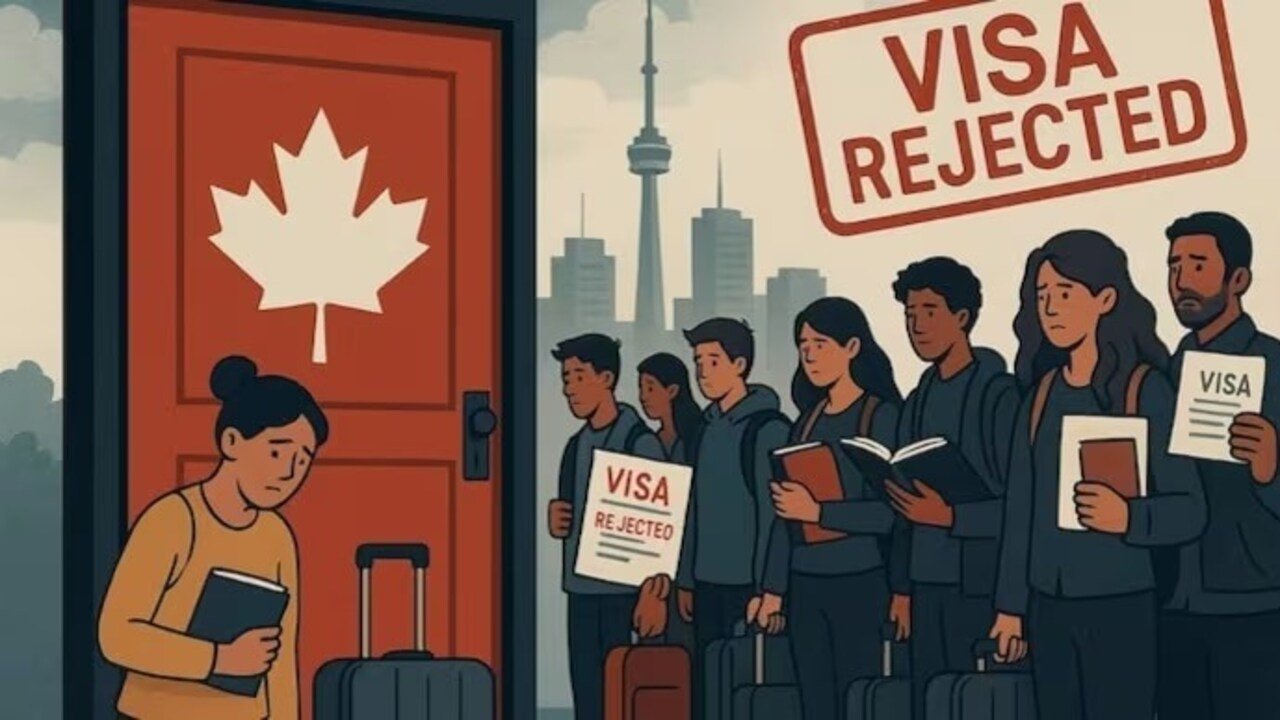
The development highlights the broader challenge of aligning international education growth with infrastructure capacity. It also underscores the importance of policy clarity and support systems in maintaining student confidence
Indian students planning to study in Canada are reassessing their options as housing shortages and employment challenges continue to intensify. Reports emerging over the last 24 hours indicate a growing sense of caution among prospective applicants, particularly those targeting major cities like Toronto and Vancouver.
The primary concern remains the acute shortage of affordable housing. Rental costs have surged, with students often forced to share accommodations or seek housing in distant suburbs. This has added to financial pressure, especially for those relying on part-time work to sustain themselves.
At the same time, job markets for part-time employment have become increasingly competitive. Students report difficulty in securing roles that align with their schedules, affecting their ability to manage living expenses. The situation is further complicated by evolving work regulations that limit hours and eligibility.
-
Educational institutions are responding by expanding support services, including housing assistance programs and job placement guidance
-
However, demand continues to exceed available resources, leaving many students to navigate challenges independently
Experts warn that these issues could impact Canada’s reputation as a preferred destination for international education. Indian students, who form one of the largest cohorts, are now exploring alternative countries offering more stable conditions.
For those already in Canada, adaptability has become essential. Many are adjusting expectations, relocating to smaller cities, or exploring remote work options.