
-
Concerns have further intensified following claims by US Senator Lindsey Graham that Trump has approved a proposed Russia sanctions bill
-
The draft legislation, titled the Sanctioning Russia Act of 2025, calls for tariffs of at least 500 percent on countries that continue to trade in Russian oil and uranium, potentially placing India in the crosshairs
-
The proposed measures aim to tighten economic pressure on Russia over the Ukraine conflict by targeting its global trade partners
Trade negotiations between India and the United States have once again come under the spotlight after a senior aide of former US President Donald Trump claimed that a potential bilateral deal failed to materialise due to a lack of direct outreach from New Delhi.
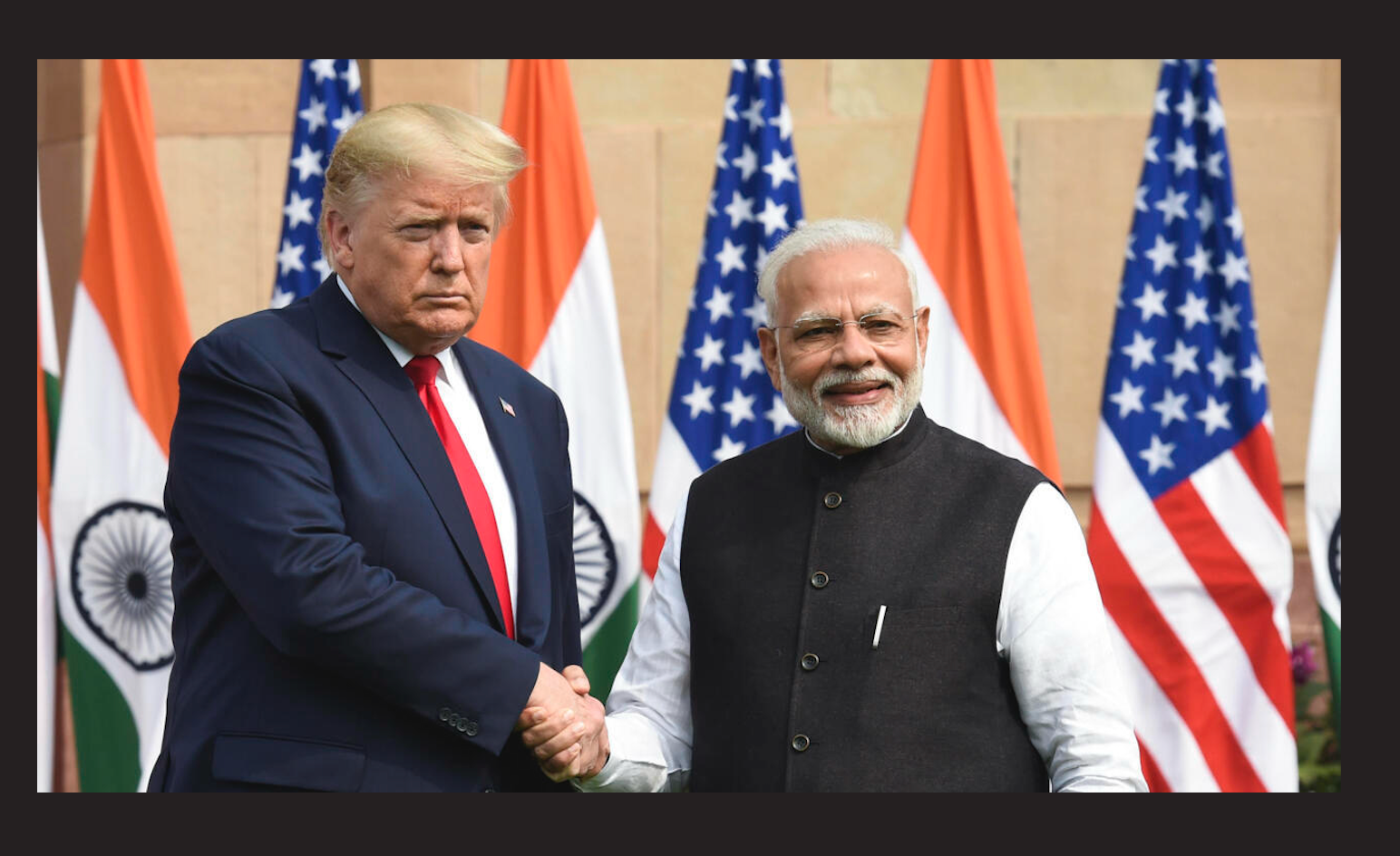
US Commerce Secretary Howard Lutnick said that a trade agreement between the two countries was nearly finalised but ultimately stalled because Prime Minister Narendra Modi did not personally call Trump to seal the deal. Speaking on a podcast with entrepreneur Chamath Palihapitiya, Lutnick said he had “set the deal up” and expected a final political push from India’s leadership.
“It was all set up, but I said I gotta have Modi call the President,” Lutnick said, adding that Indian officials appeared uncomfortable with the idea. “So Modi didn’t call.”
-
Lutnick also remarked that India and the US were “very close” to finalising the agreement but claimed New Delhi was “on the wrong side of the see-saw,” suggesting a mismatch in expectations at the final stage
-
He also noted that while the US was concluding trade deals with countries such as Indonesia, Vietnam and the Philippines, the India deal was expected to be completed even earlier
“India’s deal was going to be done before them,” Lutnick said, adding that negotiations with New Delhi were conducted at a higher tariff level than with other nations.
The remarks come amid heightened tensions over trade and energy policy. Recently, Trump hinted at raising tariffs on Indian goods if New Delhi failed to address Washington’s concerns over India’s continued purchase of Russian oil. “India wanted to make me happy. Modi is a very good guy, and he knew I was not happy,” Trump said, warning that tariffs could be raised “very quickly.”
The US had imposed 50 percent tariffs on certain Indian goods in August last year, citing India’s energy trade with Russia. Washington has since used the tariff pressure to push India to curb its oil imports from Moscow.
India, however, has consistently maintained that its energy decisions are driven by market availability and domestic consumer needs. Union Commerce Minister Piyush Goyal has reiterated that while India remains open to discussions, it does not negotiate under pressure or artificial timelines. “We don’t do deals in a hurry, and we don’t do deals with deadlines or with a gun on our head,” Goyal had said.