

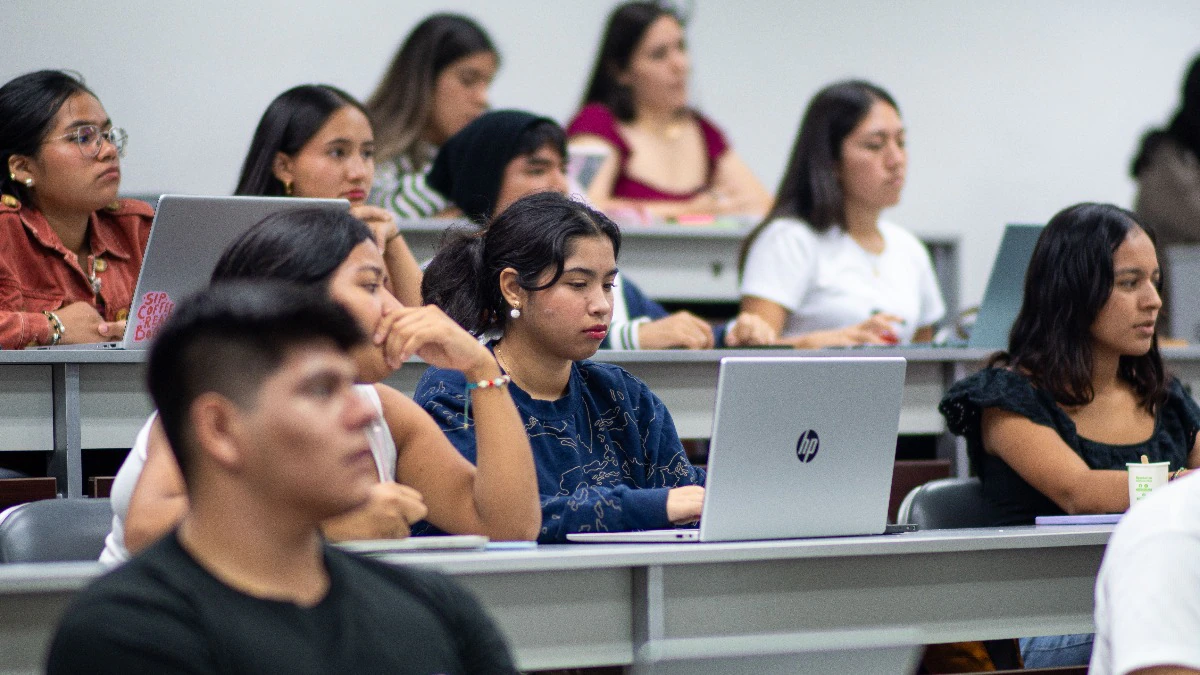
The proposed charge could make the transition from US universities to employment significantly more expensive for thousands of Indian graduates
PRAVASISAMWAD.COM
The US administration has proposed a $70,000 fee for international students seeking to participate in Optional Practical Training (OPT), a move that could significantly increase the cost of staying in the country after graduation for Indian students.
Under the Department of Homeland Security proposal, US universities and colleges would have to pay $70,000 when an F-1 student applies for OPT for the first time. A further $30,000 fee would apply for subsequent authorisation, including the 24-month extension available to eligible STEM graduates. The maximum cost over the standard three-year STEM OPT period could therefore reach $100,000.
The proposal has not yet taken effect and remains subject to public comment. Although the formal payment obligation would fall on universities and other certified institutions, the rules would allow them to recover the cost from students, employers or other sources, potentially passing the financial burden to students.
-
The measure could have a particularly strong impact on Indians, who form the largest group of international students in the US
-
About 363,019 Indian students attended US institutions in the 2024-25 academic year, accounting for roughly 31 per cent of all international students. Indian participation in OPT stood at 143,740, according to the report
The DHS has argued that OPT has been vulnerable to fraud, abusive employment practices and so-called pay-to-stay arrangements. The proposed fee is intended to encourage greater scrutiny of employers and students.
However, universities and students may reassess the financial value of studying in the US if post-study employment becomes substantially more expensive. Some prospective students could instead consider destinations such as Britain, Canada and Australia.
For Indian students, the proposal adds another layer of uncertainty to an already changing US immigration and employment landscape, potentially influencing future decisions on where to pursue higher education.