

Industry says higher import duties may increase costs for American patients while putting pressure on global supply chains
The United States’ proposed tariffs on imported generic medicines could lead to higher healthcare costs for American patients while placing fresh pressure on India’s pharmaceutical export industry, according to a senior executive from an Indian drug manufacturer.
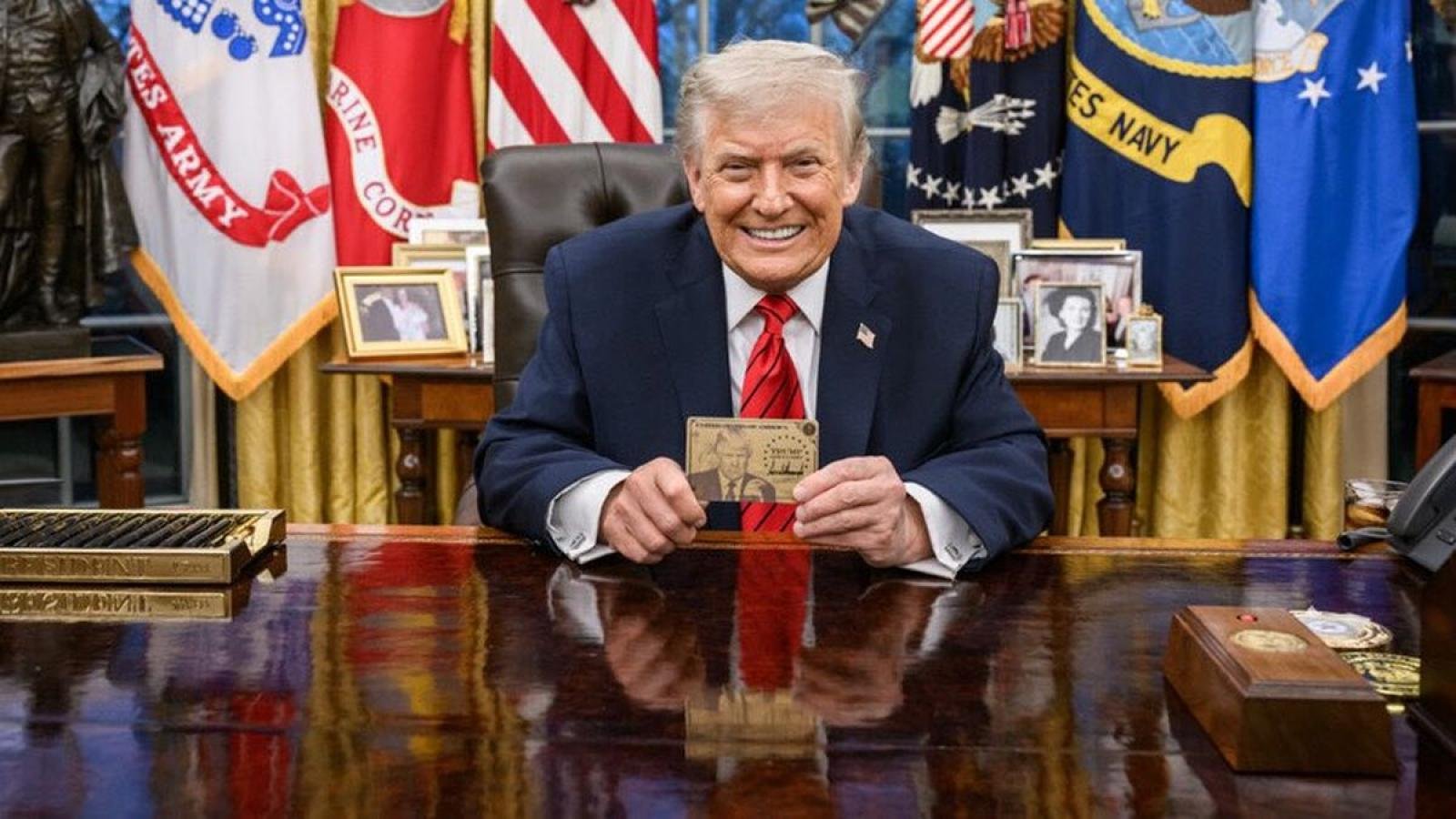
The warning comes after US President Donald Trump announced a phased tariff plan aimed at encouraging pharmaceutical companies to shift manufacturing to the United States. Under the proposal, imported generic medicines would remain tariff-free until August 2028, after which they would face a 100 per cent tariff for one year before rising to 200 per cent.
Indian pharmaceutical companies supply a significant share of the generic medicines used in the US, making the market one of the industry’s largest export destinations. Industry leaders have cautioned that generic drug manufacturers operate on thin profit margins, leaving limited scope to absorb additional import costs. Any increase in tariffs is therefore likely to be reflected in higher prices for consumers or reduced product availability.
-
Executives from the Indian pharmaceutical sector have argued that relocating manufacturing to the US would require substantial investment and several years to complete, making it difficult to replace existing global supply chains in the near term
-
Analysts have also noted that India’s well-established manufacturing base and cost competitiveness remain key strengths despite the proposed measures
Healthcare groups in the US have similarly expressed concern that steep tariffs on low-cost generic medicines could undermine efforts to keep prescription drugs affordable, particularly for patients who rely on essential medicines for chronic conditions. Industry bodies are urging policymakers to consider reforms that preserve access to affordable treatments while strengthening domestic manufacturing.