

The issue highlights an urgent need for better vetting of income certificates, stronger digital verification, and clarity in counselling rules. Without reform, experts warn that genuine economically weaker candidates could be overshadowed by misuse of the quota system
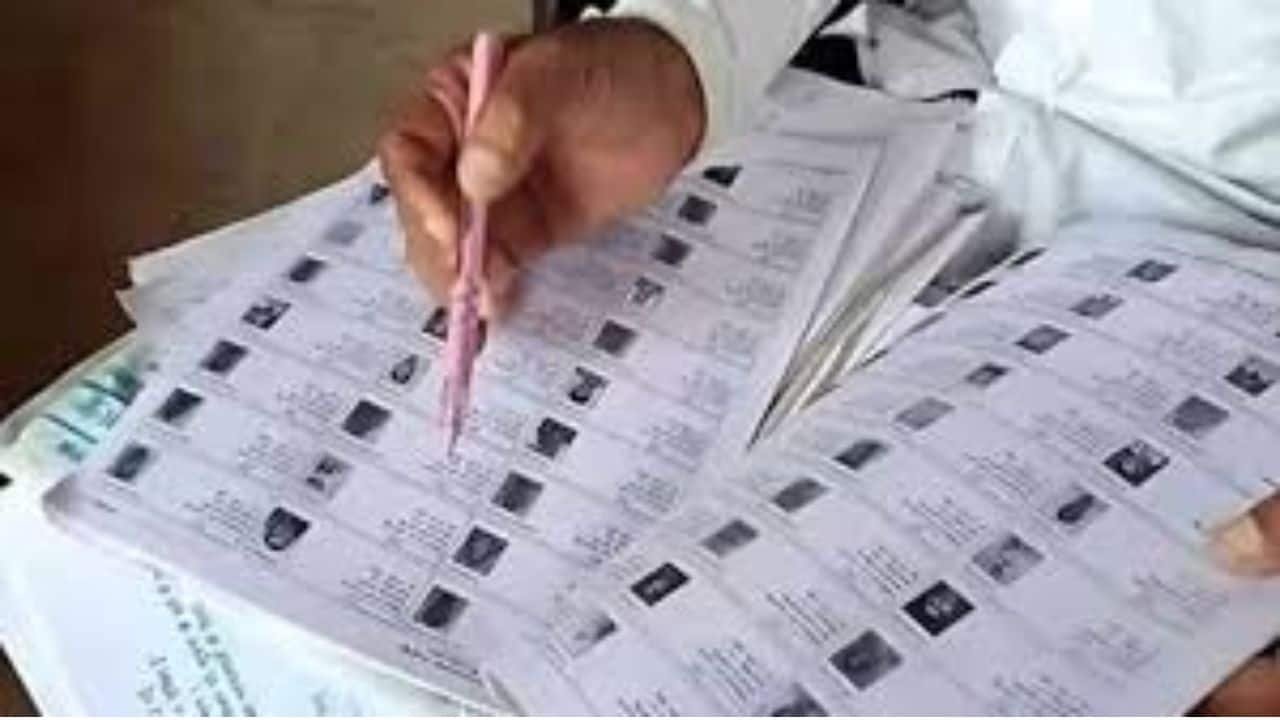
A recent analysis of seat allotment data from the first round of postgraduate medical counselling has revealed an unexpected trend: around 148 students from the Economically Weaker Sections (EWS) have secured high-cost management and NRI quota seats in private medical colleges. These seats typically carry annual fees that may reach ₹1 crore, raising serious concerns about affordability and eligibility.
EWS certificates are intended to support economically weak candidates from the general category, especially in government medical colleges where tuition is significantly lower. However, private college seats under management and NRI quotas receive no fee concessions for EWS applicants.
The development has prompted the National Medical Commission (NMC) to urge state governments to investigate how students claiming EWS status are managing to afford such expensive seats.
Dr. Abhijat Sheth, NMC Chairman, explained that these admissions occurred during state-level counselling sessions rather than the All-India quota, and states must now thoroughly review the cases. Experts say the situation reflects systemic loopholes that have existed since the introduction of the EWS quota in 2021–22
To qualify as EWS, a family’s annual income must be below ₹8 lakh, and property ownership is strictly capped. Yet many students offered expensive seats claim that relatives, trusts, or bank loans are funding their education—making verification challenging.
Senior education official Dr. Pravin Shingare noted that while EWS was created with good intentions, misuse has become frequent due to inadequate verification systems. Many students apply through EWS hoping for government seats, but when their ranks fall short, they switch to management seats that are technically open to all.
The highest-ranking EWS student who accepted such a costly seat held an All-India Rank of about 12,000, while the lowest was near 1.13 lakh. Most seats were concentrated in popular specialties such as general medicine, general surgery, and anaesthesiology, with the largest cluster found in private colleges across Maharashtra, Karnataka, and Tamil Nadu. The DY Patil group allocated the highest number of such seats.