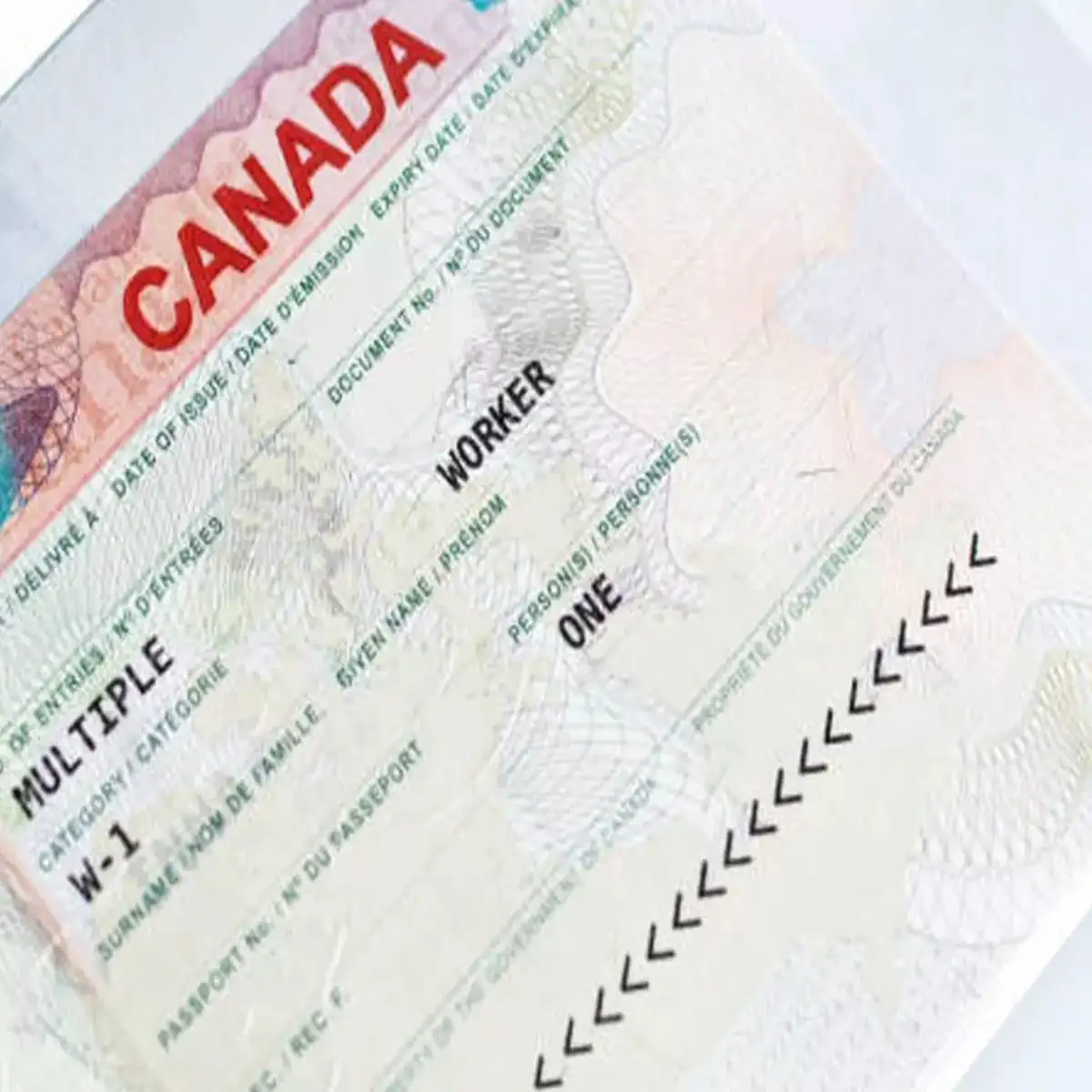


For Indian families aiming for Canada, early planning, accurate documentation, and financial preparation will be key to navigating the stricter immigration landscape
PRAVASISAMWAD.COM
As the world’s immigration rules tighten, 2026 is shaping up to be one of the most selective years for families planning to settle overseas. From higher documentation requirements to stricter eligibility checks, moving abroad will require careful planning and preparation.
This series explores the most popular destinations for Indian families—including Canada, Australia, the UAE, and Europe—breaking down each country’s immigration pathways, costs, benefits, and challenges. Whether you’re looking for a predictable residency process, strong career opportunities, or quality education and healthcare, this guide will help you make informed decisions and avoid common pitfalls.
Stay tuned as we take you country by country, providing expert insights, practical tips, and up-to-date information to help your 2026 migration plans take off.
Tips for Canada:
As governments worldwide tighten immigration rules, Canada continues to emerge as a structured and predictable destination for Indian families seeking permanent residency in 2026. Experts warn, however, that stricter documentation checks and higher living costs will make early preparation essential.
According to experts, Canada offers one of the clearest pathways for families, with well-defined routes to permanent residency (PR) and citizenship. The most common routes include Express Entry, under the Federal Skilled Worker and Canadian Experience Class, often linked with Provincial Nominee Programs (PNPs).
Settlement Funds and Costs
Families of four must now demonstrate CAD 28,362 (approximately ₹18–19 lakh) in settlement funds. Authorities insist this money be readily available in a bank account and not borrowed or temporarily parked.
The cost of living has surged in major Canadian cities. In Toronto, monthly expenses for a family of four are estimated at CAD 7,532 (₹4.5–5 lakh), with rent alone ranging from CAD 2,500–3,500—nearly half of take-home income.
Advantages and Challenges
Canada’s system is praised for its predictability, public healthcare, quality schooling, and a strong Indian community. However, potential migrants should note the competitive entry requirements, high housing costs, and the substantial initial settlement funds required.
Looking Ahead
Immigration experts predict 2026 will be more selective than the past two years. Families planning to move abroad are advised to understand each country’s rules carefully to avoid false starts and identify routes that match their profiles.