
Governments and maritime organisations are urging restraint and greater protection for international shipping, even as diplomatic efforts seek to de-escalate tensions that have already disrupted one of the key arteries of global oil transport
At least three Indian seafarers have died after two oil tankers were struck in maritime attacks near Oman amid rising tensions in the Middle East. The incidents reflect growing risks for commercial shipping in the Gulf of Oman and the Strait of Hormuz, one of the world’s busiest oil routes.
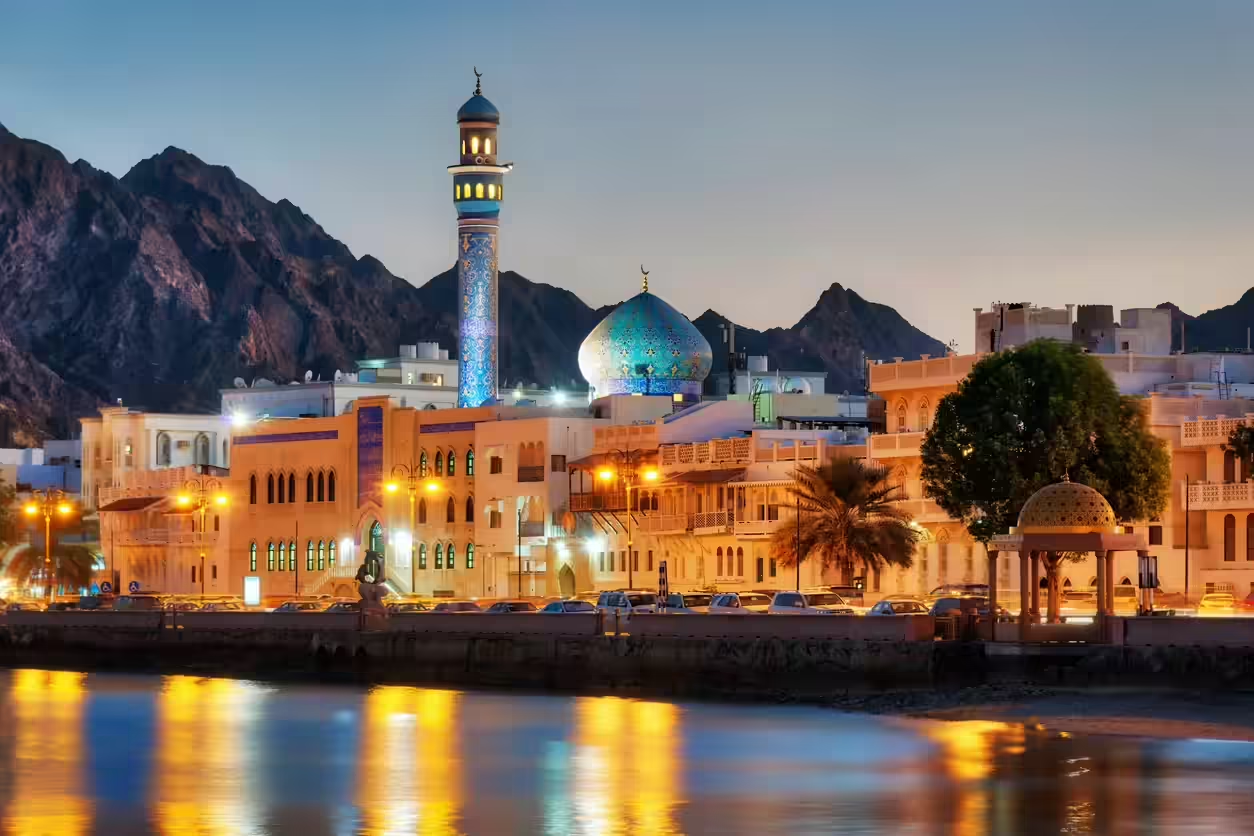
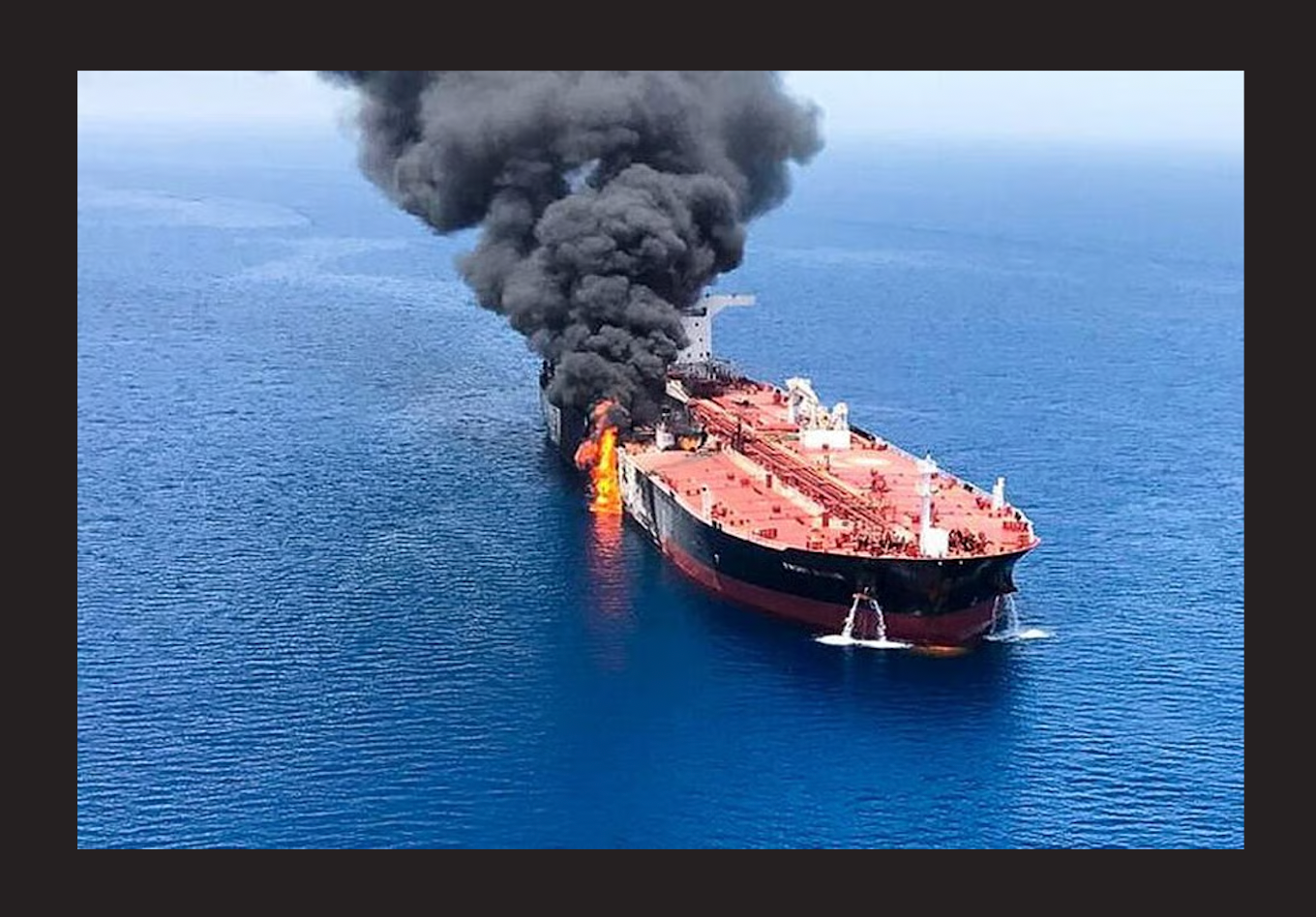
On Monday, an unmanned boat rammed into the Marshall Islands-flagged oil tanker MKD VYOM about 52 nautical miles off the coast of Muscat Governorate, Oman’s maritime authorities said. The explosion and fire in the engine room killed one Indian crew member and prompted the safe evacuation of the remaining 21 crew aboard, according to official statements. The Embassy of India in Oman offered condolences and said it was working with local authorities to support affected families and crew.
-
The attacks come as part of a broader escalation in hostilities to the west, involving military strikes and reprisals between Iran, the United States and Israel. Strategic chokepoints like the Gulf of Oman have become increasingly dangerous for civilian and commercial vessels, raising concerns about both safety and global energy supplies
This is the first reported Indian fatality linked directly to the current wave of attacks on commercial vessels in the region. The MKD VYOM was carrying nearly 59,500 tonnes of cargo at the time of the strike, and Oman’s Royal Navy now monitors the damaged tanker and issues navigation warnings to other ships.
Just days earlier, another tanker — the Palau-flagged Skylight — was hit near the Strait of Hormuz, injuring four crew members and forcing a full evacuation. Reports indicate that at least two Indian crew were among those killed in that attack.