

For many diaspora communities, the internet has become both a support network and a forum for intense discussion about identity, migration and international politics
Social media has become a powerful platform for diaspora conversations, and several recent viral posts have triggered widespread debate among Indians around the world.
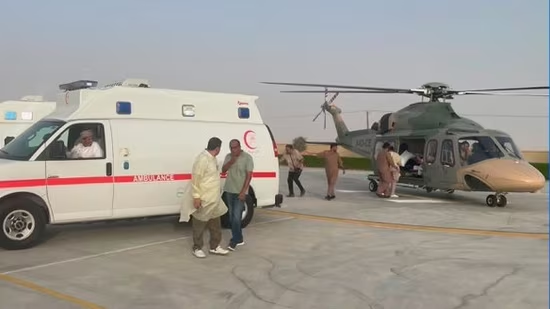
One widely shared video shows an Indian student stranded in Iran appealing for help as tensions rise in the region. In the video, the student asks authorities to organise evacuation support for Indian nationals caught in the conflict zone.
The emotional appeal quickly spread across social media platforms, with users tagging officials and calling for urgent rescue efforts for students and workers abroad.
Another viral clip has sparked cultural debate online. The video shows Iranian women criticising the emotional mourning of some Indian women following the death of Iranian leader Ali Khamenei.
-
Supporters of migration say working abroad provides valuable opportunities and allows migrants to support families through remittances
-
Critics, however, worry about the long-term effects of skilled workers leaving the country
The footage led to heated discussions between Indian and Iranian users about religion, grief and cultural expression.
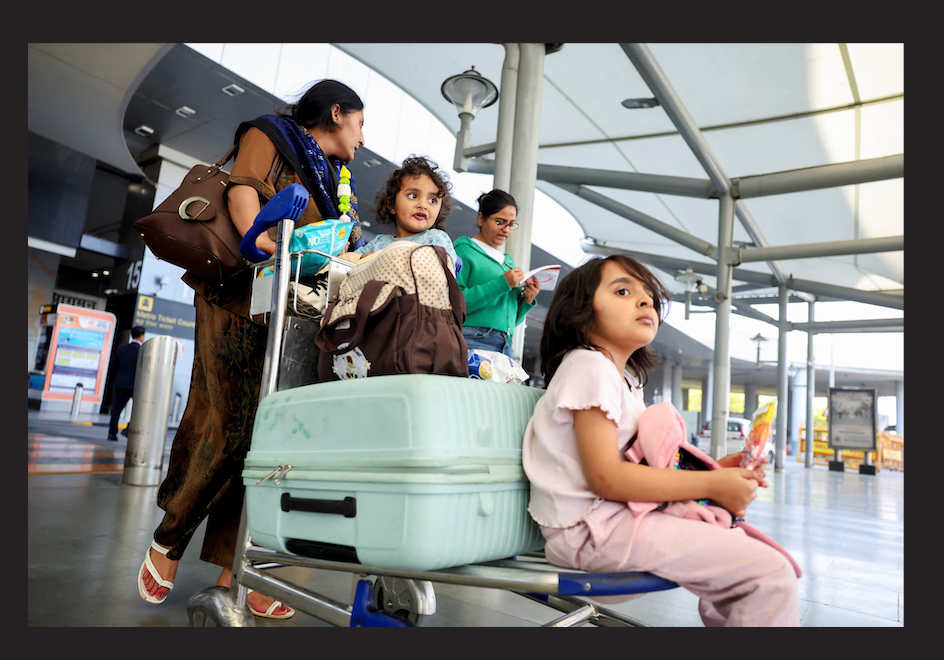
Meanwhile, another widely shared post asking why many Indians choose to live abroad has revived a long-running debate about migration. The post argues that India may be losing both talent and financial resources as professionals settle overseas.
These online debates show how diaspora conversations increasingly take place in digital spaces. Social media allows Indians living in different countries to discuss global issues, share experiences and mobilise support during crises.
However, it can also amplify disagreements and cultural misunderstandings.