

Until regional tensions ease, airlines and passengers may have to continue navigating longer routes and uncertain travel schedules across one of the world’s busiest aviation corridors
Air travel across the Middle East has been heavily disrupted as regional tensions affect key flight routes. For millions of Indians working in the Gulf, the crisis has quickly become a major concern.
Several airlines have temporarily suspended or altered flights to countries including the United Arab Emirates, Saudi Arabia, Israel and Qatar. Airlines say services will only return to normal once airspace conditions are considered safe.
For passengers, the changes mean much longer journeys. A typical Dubai to Delhi flight, which usually takes about three and a half hours, can now stretch to six hours or more due to rerouted paths that avoid restricted airspace.
In response to the disruption, India’s civil aviation authorities have organised special evacuation flights from key regional hubs such as Dubai, Abu Dhabi, Doha, Muscat and Kuwait City. These flights aim to help stranded passengers and workers return home safely
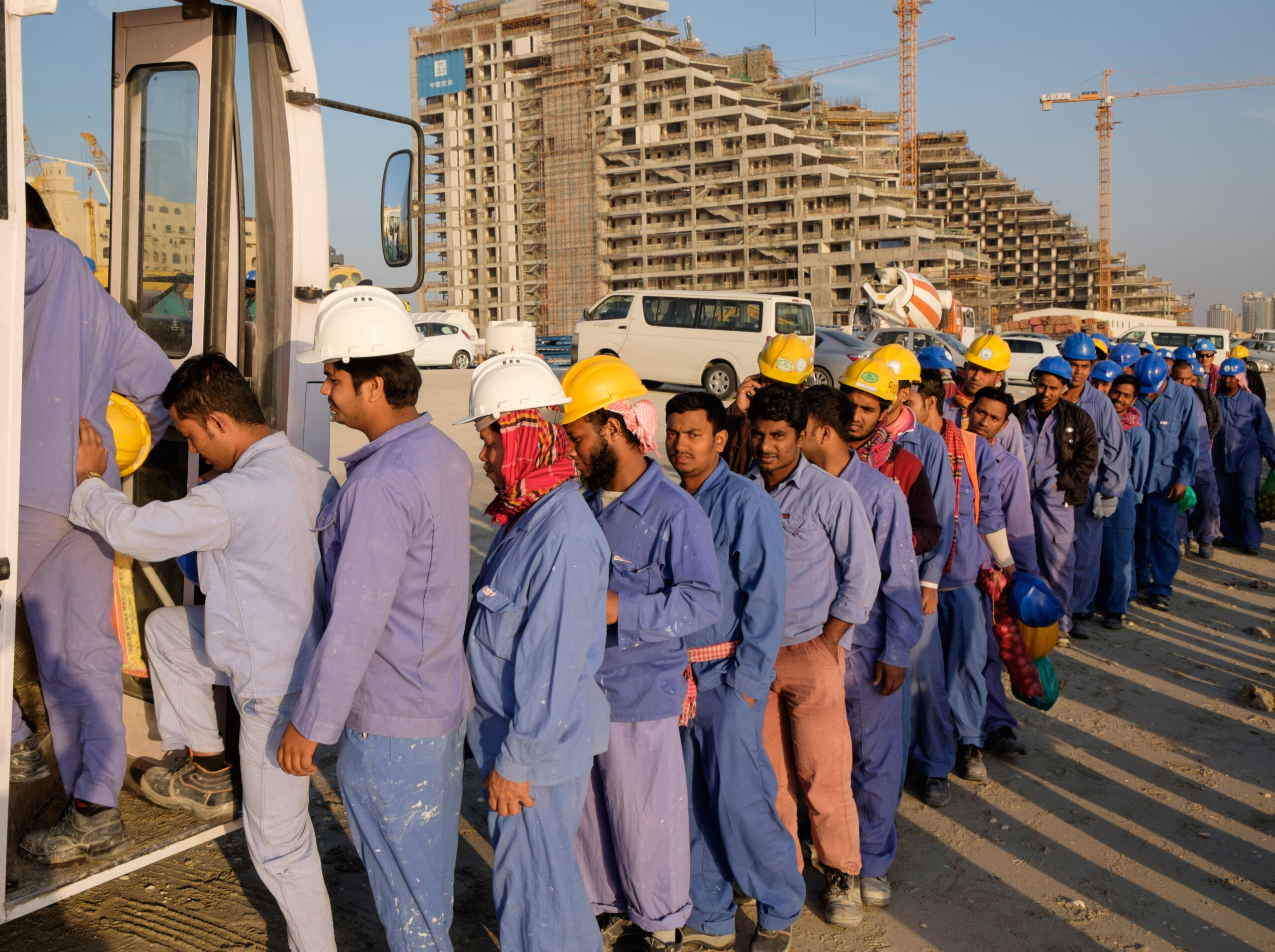
The delays are affecting thousands of employees working in sectors such as energy, construction and information technology, where large numbers of Indian expatriates are employed. Many companies depend on regular travel between India and the Gulf for staff rotations and project management.
Airlines are also facing operational challenges. Longer routes mean higher fuel costs and the need for occasional technical stops during long journeys. This is putting pressure on airline schedules and increasing ticket prices.
For families and workers abroad, the situation has highlighted how quickly geopolitical tensions can affect everyday life. Travel plans, work schedules and family visits can all be disrupted overnight.
Until regional tensions ease, airlines and passengers may have to continue navigating longer routes and uncertain travel schedules across one of the world’s busiest aviation corridors.