
The trend underscores the vulnerability of migrant labour to global economic shifts. For Indian households dependent on remittances, even minor disruptions can have significant consequences
The situation highlights the importance of diversification and skill development as long-term strategies for resilience in volatile labour markets.
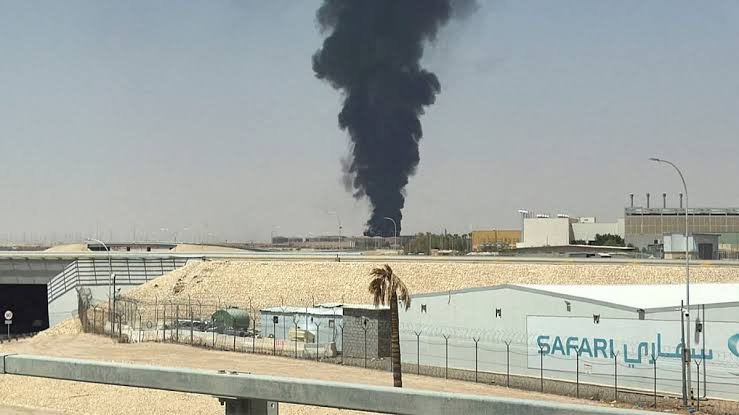
Indian migrant workers across Gulf countries are preparing for potential economic impacts as early indicators suggest a cautious outlook linked to fluctuations in global oil markets. Developments in the past 24 hours point to slower hiring activity and reduced overtime opportunities in sectors closely tied to energy revenues.
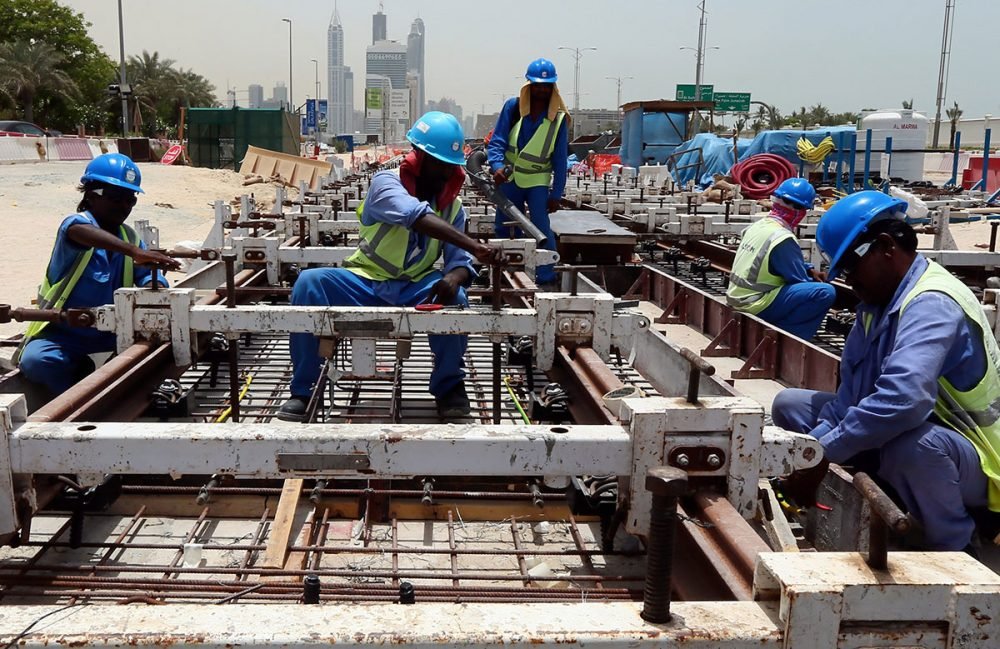
The Gulf region, particularly countries like Saudi Arabia and the UAE, relies heavily on oil-driven economic cycles. When oil prices fluctuate or geopolitical uncertainties rise, infrastructure spending and project timelines often adjust accordingly. These shifts directly affect migrant workers, many of whom are employed in construction, logistics, and support services.
-
Indian workers, forming a significant portion of the labour force, are already experiencing subtle changes
-
Recruitment agencies report fewer new job postings, while some workers have noted delays in wage disbursements or reduced work hours
Community organisations are observing increased inquiries from workers seeking advice on financial planning and contract terms. Indian missions in the region are also monitoring the situation and encouraging workers to stay informed about their rights.
Experts highlight that while the current signs do not indicate a full-scale downturn, they reflect a cautious approach by employers amid uncertainty. For workers, this translates into a need for financial discipline and preparedness.