

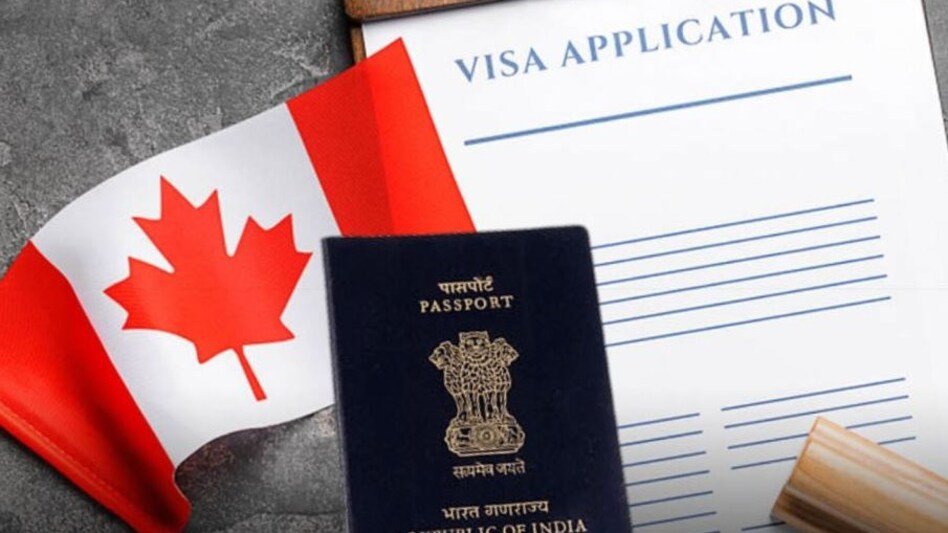
For Indian students considering Canada, the developments highlight the importance of careful program selection and career planning
Indian graduates in Canada are facing increasing challenges in securing employment aligned with their qualifications, prompting a policy review of post-graduation work outcomes. Developments in the past 24 hours indicate that authorities are assessing whether international education programs are effectively translating into meaningful employment opportunities.
The issue has become particularly relevant for Indian students, who form a significant portion of Canada’s international graduate workforce. Many graduates report difficulty in finding roles related to their field of study, leading to underemployment in sectors such as retail, hospitality, and logistics.
-
This mismatch is raising concerns about the long-term viability of the post-graduation work permit (PGWP) pathway, which has traditionally been a key attraction for Indian students
-
The program is designed to provide work experience and facilitate transition to permanent residency, but changing labour market conditions are affecting its effectiveness
Educational institutions are under pressure to strengthen industry partnerships and align academic programs with market demand. Some universities are expanding career services and internship opportunities to improve employability outcomes.
Experts note that the situation reflects broader economic challenges, including slower job growth and increased competition for skilled positions. For Indian graduates, the lack of relevant job opportunities can impact career progression and immigration plans.
The policy review aims to address these concerns by improving program alignment and ensuring that international graduates can contribute effectively to the economy.