
The move highlights ongoing reforms in labour management and the importance of technology in protecting migrant workers
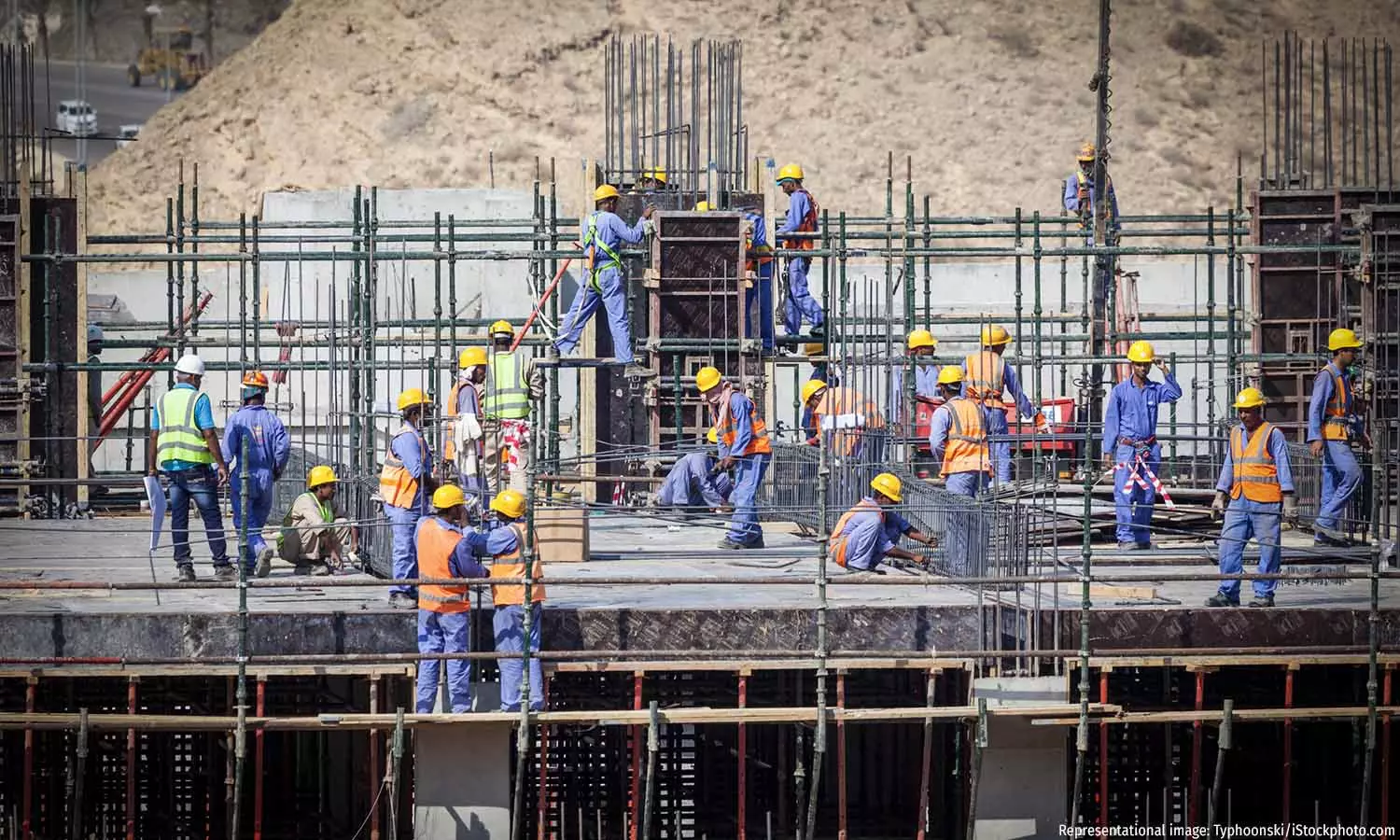
Indian workers in the United Arab Emirates are adapting to expanded digital labour compliance systems designed to improve transparency and enforce contract conditions. Developments over the past 24 hours indicate increased implementation of real-time monitoring tools by authorities.
The system allows government agencies to track salary payments, employment terms, and contract adherence through digital platforms. Employers are required to submit detailed records, ensuring that workers receive wages on time and according to agreed terms.
For Indian workers, who constitute a large segment of the UAE’s labour force, the changes represent both an opportunity and a challenge. On one hand, the system enhances protection against wage delays and contract violations. On the other, it requires workers to be more aware of their rights and responsibilities.
-
Community organisations are playing a key role in bridging this gap by conducting awareness campaigns and workshops
-
These initiatives aim to educate workers on how to access digital systems and report issues effectively
Experts note that the adoption of digital compliance tools reflects a broader effort to modernise labour governance in the Gulf. Increased transparency is expected to reduce disputes and improve working conditions.
However, concerns remain about accessibility for low-income workers who may lack digital literacy. Ensuring inclusivity in implementation will be critical for the system’s success.
For Indian workers, staying informed and adapting to new systems is essential for maintaining job security and financial stability.