
-
The Department of Homeland Security has not indicated whether it will appeal the release decision
-
Legal experts expect the case to remain closely watched by universities, immigrant-rights organisations, and diaspora advocacy groups across the United States
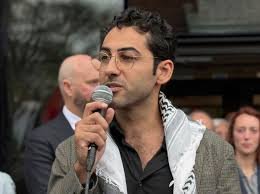
Former Columbia University student activist Mohsen Mahdawi, who has drawn attention within South Asian and immigrant-rights circles because of his long association with international student activism networks involving Indian and South Asian groups in New York, was released from federal immigration detention after a US immigration judge issued a ruling within the past 24 hours ordering his release pending further proceedings.
Mahdawi, a lawful permanent resident originally from the West Bank, had been detained by immigration authorities after participating in pro-Palestinian demonstrations linked to broader university protest movements that also involved Indian-origin student organisations across several American campuses. The ruling has become significant within diaspora discussions because many Indian and South Asian student groups were active participants in the same protest environment during the past academic year.
-
US District Judge Geoffrey Crawford reportedly concluded that continued detention raised constitutional concerns surrounding political speech and lawful resident protections
-
The decision immediately triggered reactions from civil liberties organisations, immigrant advocacy networks, and university student groups nationwide
Indian-origin students at Columbia University and other campuses stated that the ruling would likely influence future debates over protest participation, visa security, and political expression involving international students and immigrant communities. Several South Asian student associations welcomed the decision while warning that foreign students increasingly fear immigration consequences connected to political activism.
Immigration lawyers noted that the case highlights growing tensions between national security enforcement policies and constitutional protections for lawful residents and foreign-born students. Analysts also warned that international students from South Asian countries are closely monitoring how US authorities handle protest-linked immigration cases because of concerns regarding visa renewals and employment eligibility.
Civil liberties groups argued that aggressive immigration enforcement involving campus protest movements could create a chilling effect among international students participating in political expression.