
Observers also noted that Chandrakasan’s semiconductor expertise may become especially important as AI systems require increasingly efficient processing architecture amid rising global demand for computational capacity and energy optimisation
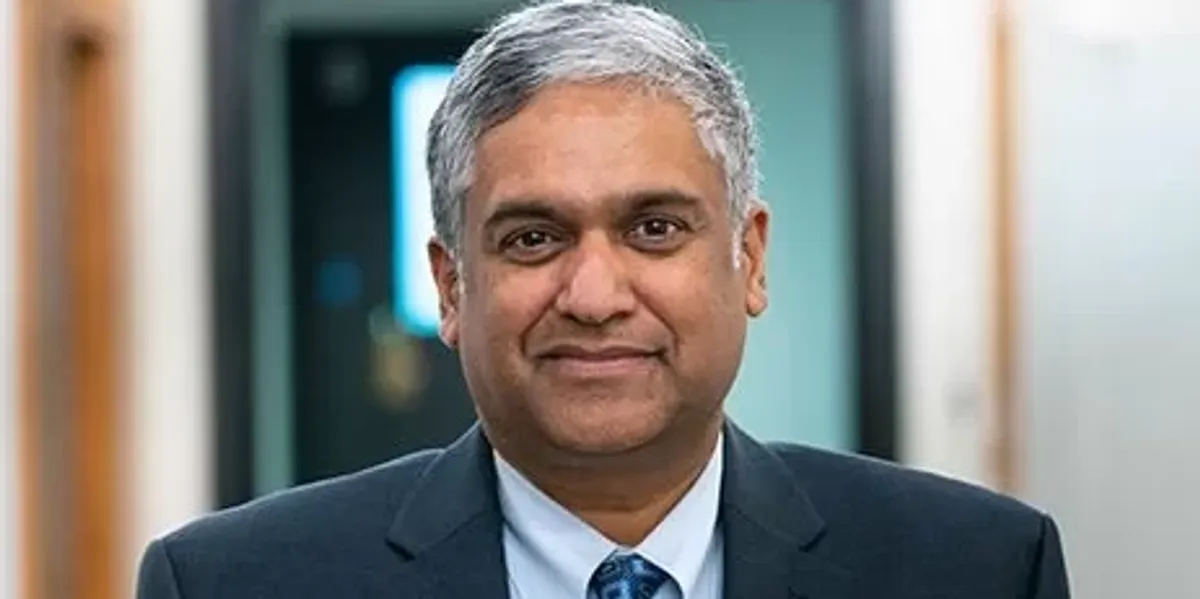
Massachusetts Institute of Technology has expanded its institutional artificial intelligence governance and research structure by appointing Indian-origin academic leader Professor Anantha Chandrakasan to an enlarged AI leadership council, according to announcements and university briefings issued within the past 24 hours.
Chandrakasan, who serves as MIT’s dean of engineering and is widely recognised for semiconductor and low-power electronics research, will help oversee interdisciplinary coordination involving AI computing systems, policy integration, engineering applications, and research-commercialisation initiatives across the university network.
-
MIT officials stated that the new structure is intended to strengthen institutional collaboration as competition intensifies globally around artificial intelligence development, advanced chip architecture, and technology regulation
-
University representatives also highlighted growing partnerships between academic research centres and private-sector technology firms
The appointment has generated significant interest across Indian-origin academic and technology communities because Chandrakasan remains one of the most influential Indian-born engineering figures in American higher education and semiconductor innovation. Analysts noted that Indian-origin scientists and engineers continue occupying increasingly important positions within AI infrastructure research and advanced computing governance.
Technology policy experts said the expansion reflects broader geopolitical competition surrounding semiconductor design, AI hardware efficiency, and next-generation computing systems. Universities are increasingly positioning themselves as strategic players in shaping the future of AI development alongside governments and private corporations.
Indian-American academic organisations welcomed the move, describing it as evidence of the continuing influence of Indian-origin researchers in elite global scientific institutions.
MIT’s AI initiatives have expanded substantially during the past year through partnerships involving machine learning, robotics, biomedical engineering, and energy-efficient computing systems. Researchers expect the university to increase collaboration with industry partners focused on advanced semiconductor manufacturing and AI deployment infrastructure.