
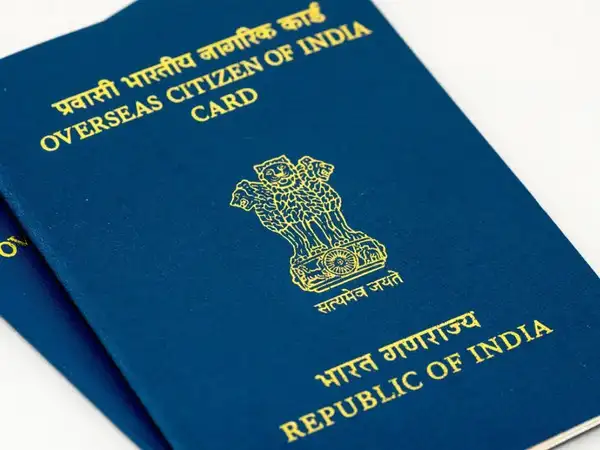
Policy observers expect diaspora engagement and OCI reform discussions to remain prominent in India’s global outreach agenda throughout 2026 as migration and transnational identity continue shaping international economic and political relationships
PRAVASISAMWAD.COM
A major policy report released by the global organisation Indiaspora has renewed calls for strengthening Overseas Citizenship of India provisions and expanding institutional engagement with overseas Indians, according to discussions and policy references circulating internationally within the past 24 hours.
The report, titled “India and its Diaspora: Partners in Progress,” argues that overseas Indians increasingly function as strategic contributors to India’s economic growth, innovation ecosystems, philanthropy, academic collaboration, and international influence. Researchers associated with the publication recommended reforms aimed at simplifying administrative procedures and deepening long-term diaspora participation in Indian development initiatives.
Policy specialists noted that the Indian diaspora now exceeds 35 million globally, making it one of the largest transnational communities in the world. Diaspora professionals occupy influential positions across technology, finance, medicine, academia, and politics in countries including the United States, Canada, the United Kingdom, Australia, Singapore, and Gulf nations.
-
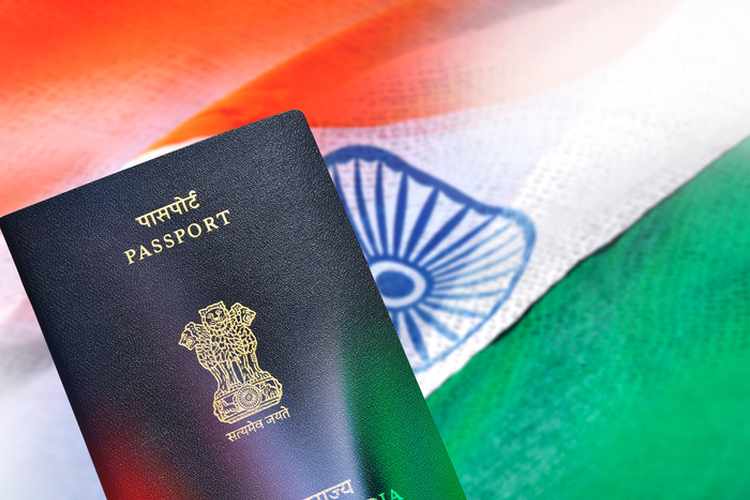
The report specifically highlighted the importance of improving the Overseas Citizenship of India framework to encourage stronger long-term ties between India and second-generation diaspora populations
-
Analysts said simplified OCI systems could support business investment, academic exchange, and cultural engagement involving overseas Indians
Indian-origin business leaders welcomed the recommendations and argued that diaspora networks increasingly serve as strategic bridges connecting India with international capital, innovation, and diplomatic influence.
Migration experts observed that India’s relationship with its diaspora has evolved substantially during the past two decades, shifting from a remittance-focused approach toward broader geopolitical and economic partnership strategies.
The report also emphasised philanthropy, startup investment, and global educational collaboration as key areas where diaspora participation could contribute to India’s future growth.
Community organisations across North America and Europe described the publication as evidence of increasing institutional recognition of overseas Indians as long-term strategic stakeholders rather than temporary migrant communities.