
-
The issue has generated substantial discussion across diaspora social-media networks, with supporters describing Manivannan’s election as symbolically important for representation of migrant and minority communities in Scottish politics
-
Critics, however, argued that immigration compliance standards must remain consistent for all public officials
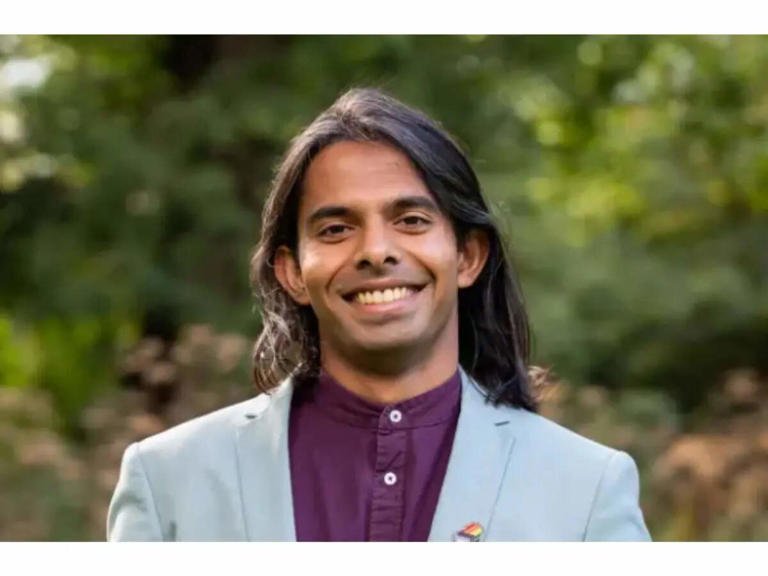
Political controversy has intensified in Scotland after Indian-origin Scottish Green politician Q Manivannan came under renewed scrutiny over immigration-status questions connected to parliamentary eligibility and visa conditions, according to developments reported within the past 24 hours.
Manivannan, recently elected to represent Edinburgh and the Lothians in the Scottish Parliament, currently remains in the process of transitioning from a student visa to a graduate visa while also pursuing a longer-term global talent immigration route. The situation has triggered criticism from political opponents and immigration commentators questioning whether parliamentary responsibilities are compatible with existing visa restrictions.
Senior political figures, including former Scottish National Party Westminster leader Ian Blackford, criticised the Scottish Greens for nominating a candidate whose immigration status could create administrative and employment complications related to parliamentary staffing obligations
Questions have reportedly focused on whether current visa conditions permit the employment arrangements normally associated with elected legislative office.
The controversy has quickly evolved into a broader debate involving immigration rules, migrant political participation, and representation within British democratic institutions. Supporters of Manivannan argued that the case reflects larger systemic issues affecting migrants attempting to participate fully in public life while navigating complex immigration frameworks.
The Scottish Greens defended the appointment and stated that immigration procedures connected to the transition process are being handled appropriately. Parliamentary authorities also indicated that responsibility for ensuring eligibility primarily rests with candidates and political parties.
Indian-origin community groups and migrant-rights advocates said the debate highlights growing tensions surrounding immigration discourse in Britain, particularly as political parties continue confronting questions involving international students, skilled migration, and citizenship pathways.
Policy experts noted that Britain has increasingly witnessed public discussion regarding the participation of migrants and diaspora communities in electoral politics at both local and national levels.