
-
Higher-education specialists noted that despite current uncertainty, American universities continue attracting strong demand because of research quality, industry connections, and global brand value
-
However, they cautioned that rising compliance pressure may gradually shift student flows toward countries offering more predictable immigration systems and lower procedural risk for international graduates
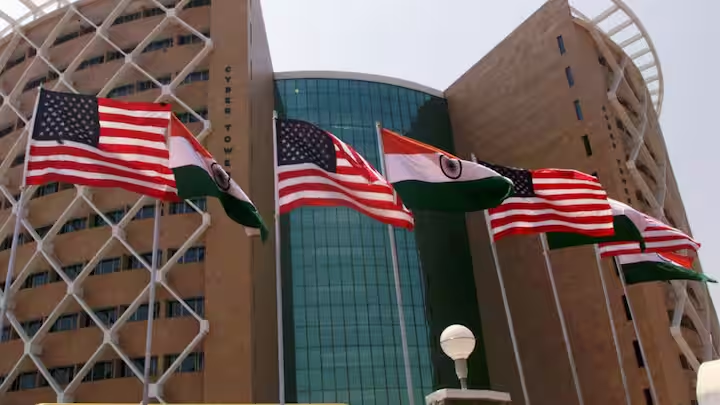
Indian students and families are increasingly reassessing plans for higher education in the United States amid growing concern over visa enforcement measures, employment restrictions, and post-graduation immigration uncertainty, according to developments and student reactions reported during the past 24 hours.
The latest anxiety follows intensified scrutiny involving student visas, Optional Practical Training (OPT), and social-media vetting requirements that many education consultants believe are reshaping perceptions of the United States as a stable destination for international students. Indian nationals represent one of the largest international student communities in America, particularly in graduate STEM programmes and technology-related disciplines.
Students already studying in the US have expressed growing fear regarding compliance enforcement, visa cancellations, travel risks, and uncertainty surrounding long-term career opportunities. Immigration attorneys and university advisers reported increased demand for consultations connected to visa maintenance obligations, employment documentation, and travel precautions.
-
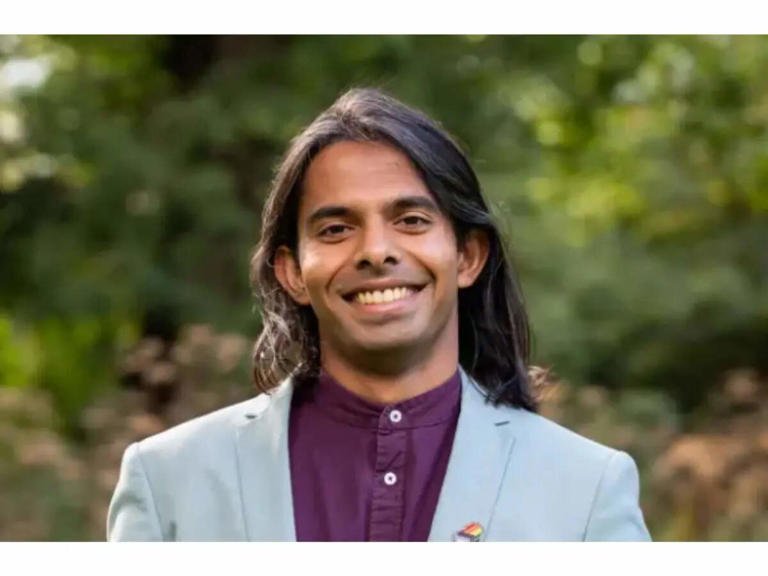
Several Indian students said that policy unpredictability has complicated educational planning and career decisions
-
Families considering overseas education are reportedly comparing alternatives including Germany, Ireland, Singapore, and certain Gulf countries viewed as offering more stable post-study employment frameworks
Education analysts observed that international student mobility increasingly depends not only on academic quality but also on perceptions of immigration stability and long-term professional opportunity. Universities dependent on foreign tuition revenue are reportedly monitoring enrolment patterns carefully as competition intensifies among global education destinations.
The developments come at a time when Indian students contribute billions of dollars annually to the American higher-education economy while also supporting research and skilled labour pipelines in technology, healthcare, and engineering sectors.
Indian diaspora organisations and alumni groups warned that overly restrictive immigration messaging could damage long-term educational and strategic ties between India and the United States.