

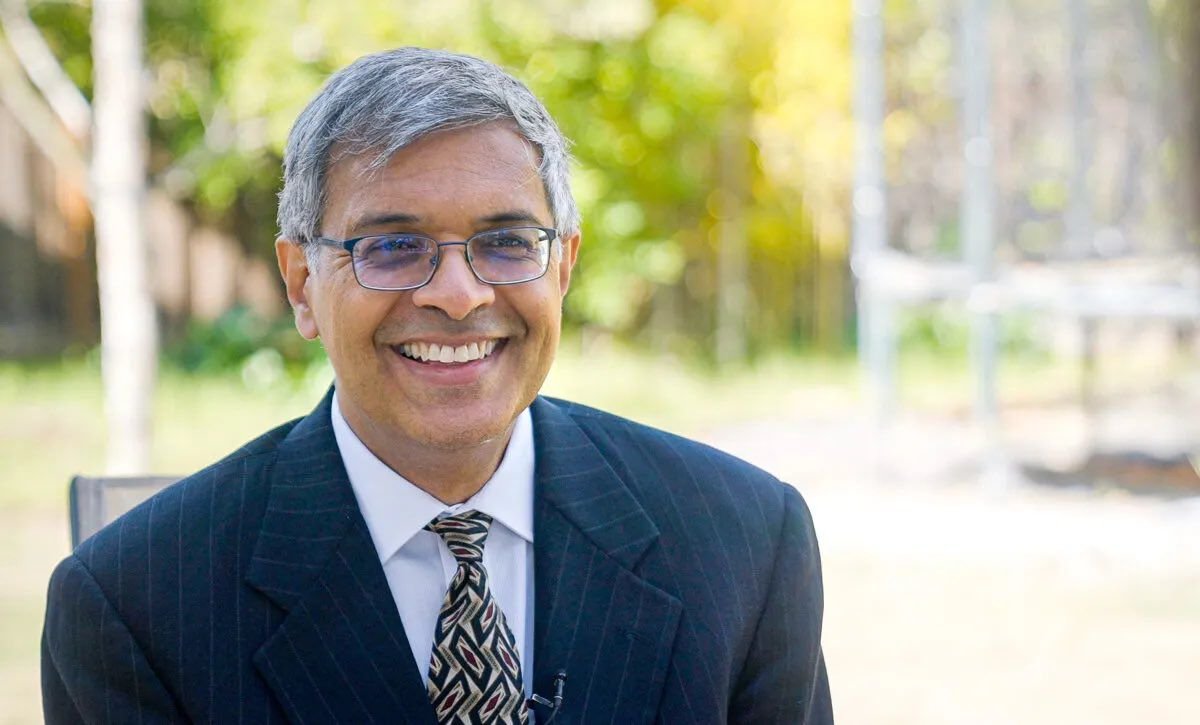
Observers expect discussions surrounding pandemic preparedness, healthcare governance, and emergency response authority to remain highly politically and academically contested throughout 2026
Indian-origin physician and health-policy researcher Dr. Jay Bhattacharya continues shaping international debate surrounding public health policy, pandemic preparedness, and medical governance following renewed academic and policy discussions reported during the past 24 hours.
Bhattacharya, a Stanford University professor of medicine and health economics, gained international prominence during the COVID-19 pandemic through his criticism of prolonged lockdown policies and advocacy for alternative public-health approaches balancing disease control with economic and social considerations.
Recent policy forums and academic discussions involving public-health preparedness reportedly revisited several themes associated with pandemic-era governance, including data transparency, institutional trust, mental-health consequences, and economic disruption resulting from emergency restrictions
Health-policy analysts noted that Bhattacharya remains an influential figure within ongoing debates regarding the future structure of public-health institutions and emergency response systems.
Indian-origin physicians and researchers continue occupying visible positions within global healthcare policy conversations, particularly in epidemiology, biomedical research, and healthcare economics.
The renewed attention comes as governments and international organisations evaluate lessons learned from pandemic management, healthcare-system resilience, and global coordination failures.
Medical researchers participating in recent discussions emphasised the importance of balancing scientific expertise with transparent public communication and evidence-based policymaking during future health emergencies.
Public-health experts also highlighted growing concern regarding misinformation, declining institutional trust, and political polarisation affecting healthcare systems globally.
Indian-American academic groups described Bhattacharya’s continued visibility as an example of diaspora influence extending into major international policy debates beyond traditional medical research fields.