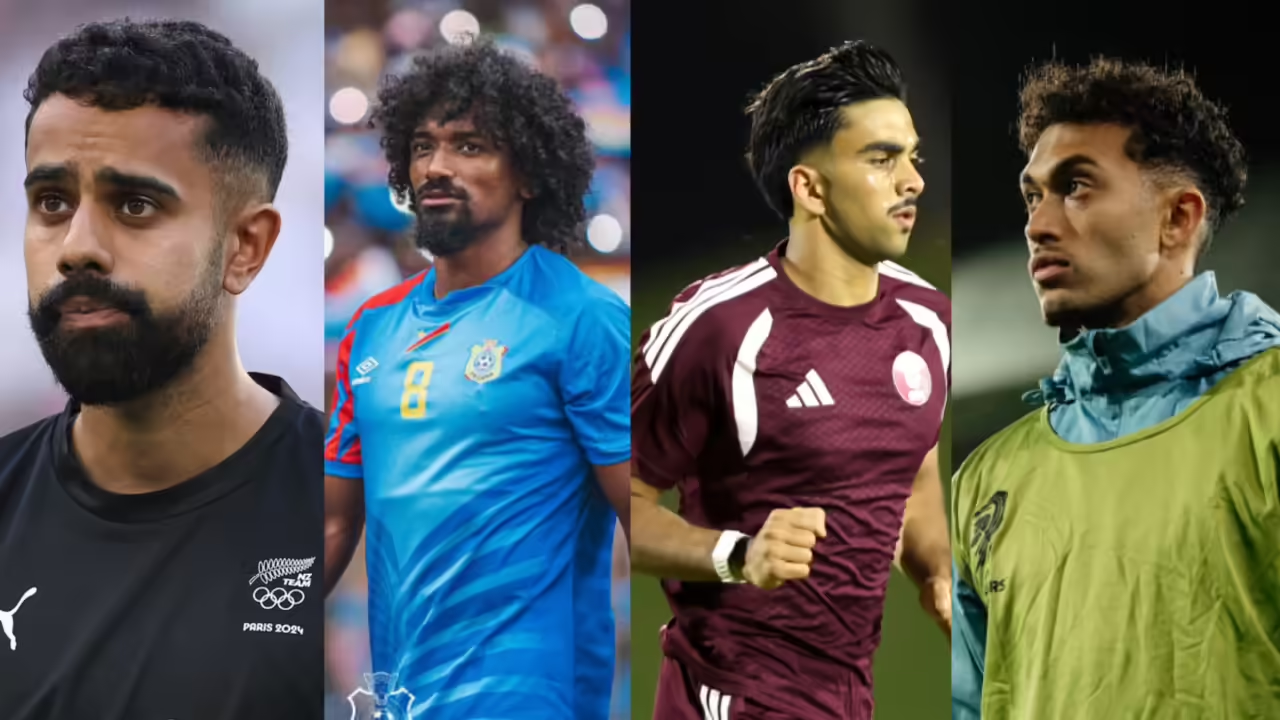

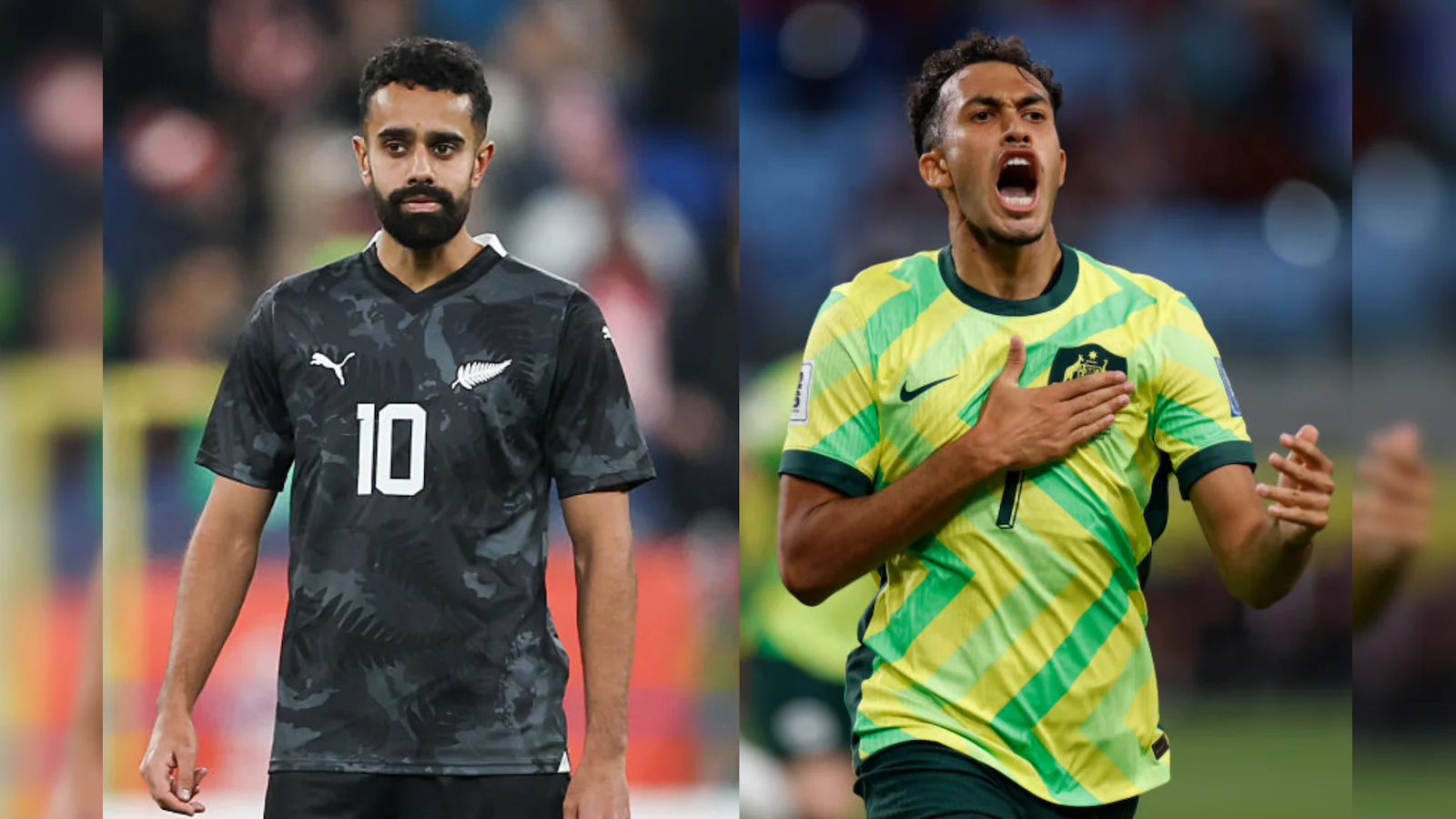
The celebration surrounding their World Cup participation demonstrates how sporting achievements can resonate far beyond the field, becoming powerful symbols of identity, belonging, and diaspora success in a globalized world
The qualification of multiple footballers of Indian origin for the 2026 FIFA World Cup has generated widespread celebration across diaspora communities, with political leaders, community organizations, and sports supporters describing the achievement as a landmark moment for global Indian representation. Reports published within the previous 24 hours highlighted growing attention surrounding the players’ participation.
Among those commenting publicly was Indian parliamentarian Shashi Tharoor, who described the development as a historic moment for football fans connected to India. His remarks reflected broader enthusiasm among supporters who view the players’ achievements as evidence of the diaspora’s growing influence beyond traditional professional sectors.
Community groups in several countries organized discussions and social-media campaigns highlighting the stories of players with Indian heritage. Many supporters noted that while India itself remains absent from the tournament, the presence of Indian-origin athletes provides an alternative connection to the event.
-
Migration scholars observed that sporting success often carries symbolic value for diaspora communities
-
Athletes who achieve international recognition can strengthen collective identity while also challenging stereotypes regarding participation in elite sports
The visibility of Indian-origin footballers is particularly noteworthy because football has historically not produced many internationally recognized athletes from Indian-background communities. Their emergence therefore represents a significant shift in representation patterns.
Youth organizations welcomed the attention generated by the World Cup selections, arguing that successful athletes provide role models for younger generations navigating multiple cultural identities.
Sports analysts also emphasized that diaspora participation in major tournaments reflects broader social integration trends. Children of immigrants increasingly benefit from access to professional training systems, allowing them to compete at the highest levels of international sport.
Community leaders expressed hope that the success of these players will encourage greater investment in grassroots football among Indian-origin populations worldwide.