

Court says India offers world-class healthcare and personal preference cannot justify overseas travel during money laundering proceedings
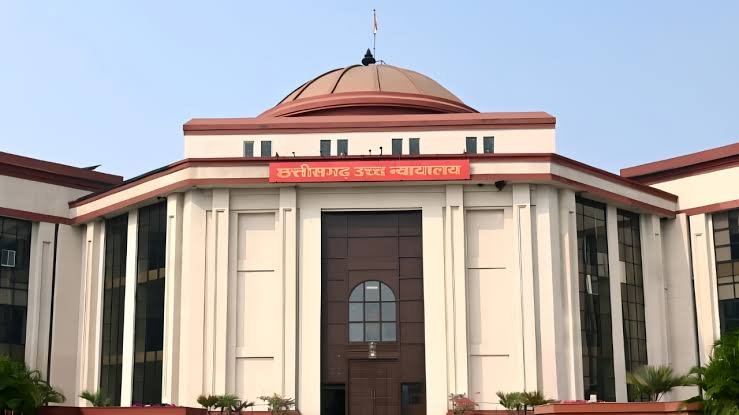
The Chhattisgarh High Court has refused permission to a businessman accused in a money laundering case to travel to the United Arab Emirates for medical treatment, ruling that India has advanced healthcare facilities capable of providing equivalent care.
Justice Narendra Kumar Vyas upheld an earlier order of a special court under the Prevention of Money Laundering Act (PMLA), which had rejected the request made by businessman Sunil Kumar Agrawal. Agrawal, an accused in the alleged Chhattisgarh coal levy money laundering case, had sought permission to undergo treatment at the Khan Kinetic Treatment (KKT) Orthopaedic Spine Centre in Abu Dhabi for a hamstring injury.
In its order delivered on July 2, the High Court observed that the petitioner had failed to establish that the proposed treatment was unavailable in India or that travelling abroad was medically indispensable.
The court noted that India’s medical infrastructure possesses “world-class expertise, state-of-the-art diagnostic tools and therapeutic facilities” capable of treating the condition. It added that an accused person’s preference for treatment in a foreign country cannot override legal restrictions when comparable treatment is readily available within the country.
The High Court further observed that “personal preference cannot be equated with absolute medical necessity” and emphasised that permission to travel abroad while facing prosecution must be supported by compelling medical evidence
Agrawal had challenged the June 6 order of the special PMLA court in Raipur, arguing that specialised treatment was required overseas. However, the High Court found no material to demonstrate that the recommended therapy could not be accessed in India.
The ruling reinforces the judiciary’s approach that requests by accused persons to travel abroad during the pendency of criminal proceedings must meet a high legal threshold, particularly when adequate medical facilities exist domestically. The court concluded that no grounds existed to interfere with the special court’s decision, and the petition was accordingly dismissed.