
Rising Indian visitor numbers and closer cooperation are driving Mauritius’ efforts to deepen its relationship with India
Mauritius is stepping up efforts to attract more Indian visitors as tourism ties with India strengthen, with rising arrivals and direct air connectivity supporting the island nation’s campaign to broaden its appeal beyond traditional beach holidays.
Indian arrivals rise as Mauritius targets wider tourism market
Mauritius welcomed 51,005 Indian visitors between January and July 2026, representing a 14.5 per cent increase compared with the same period last year, according to figures cited in an official tourism release. The growth has encouraged the island nation to deepen engagement with India’s travel industry.
-
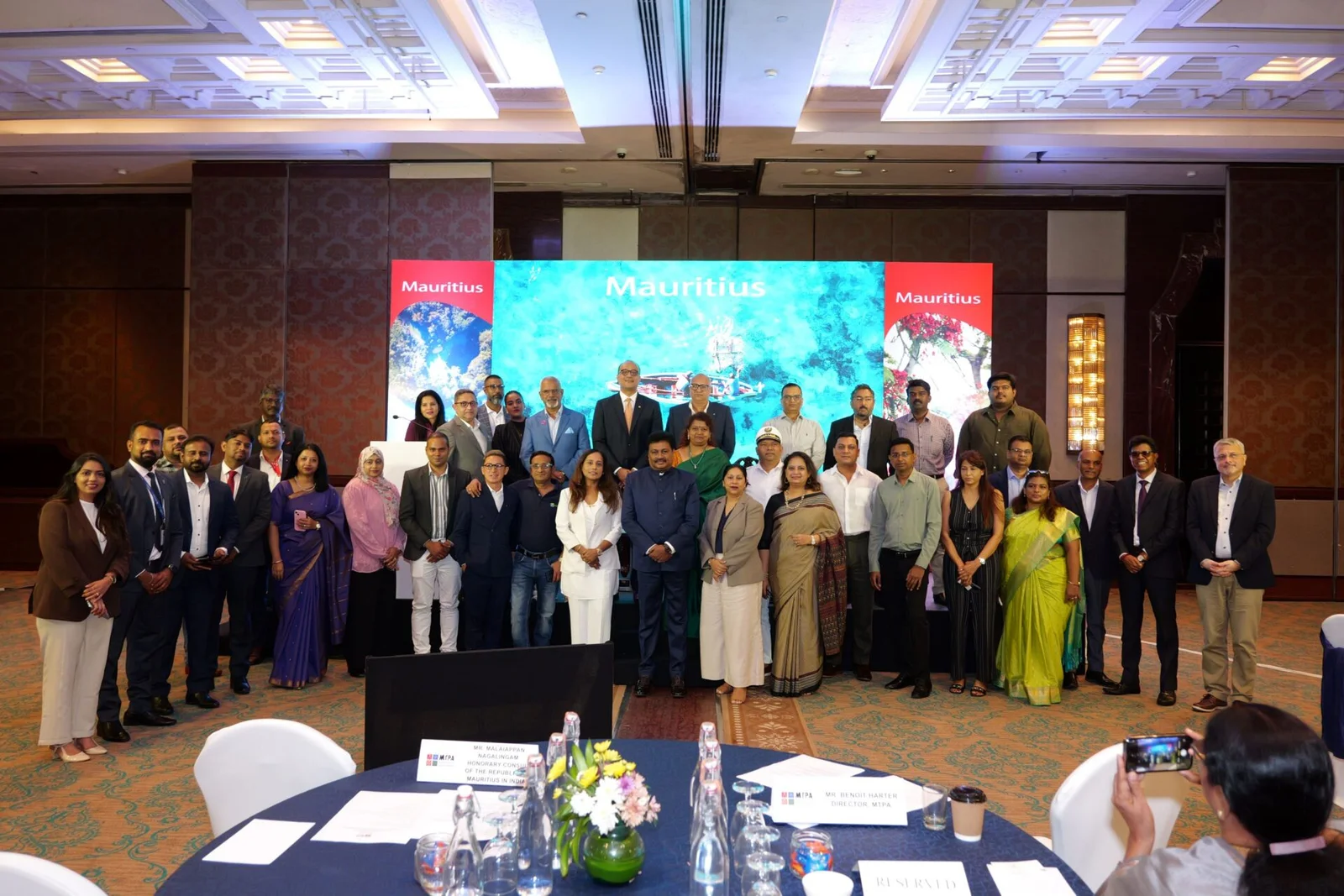
The Mauritius Tourism Promotion Authority has recently connected with travel professionals in four major Indian cities as part of its efforts to promote the destination
-
The outreach is aimed at highlighting the range of experiences available to Indian travellers, including attractions beyond its beaches and established reputation as a honeymoon destination
Mauritius is also promoting its visa-free entry arrangements for Indian visitors and direct flights from India. These links are being positioned as important factors in making travel to the island more accessible and supporting demand throughout the year.
Tourism officials are seeking to present Mauritius as a year-round destination, rather than one associated mainly with seasonal holidays or romantic getaways. The approach reflects efforts to reach a wider range of Indian travellers and encourage visits for different purposes.
The strengthening tourism relationship comes against the backdrop of longstanding cultural and historical connections between India and Mauritius. The two countries maintain close people-to-people ties, while tourism provides an important channel for further engagement.
The increase in Indian arrivals provides a positive indicator for Mauritius’ tourism sector, although the longer-term impact will depend on continued demand, air connectivity and the country’s ability to attract visitors beyond its traditional holiday segments.