

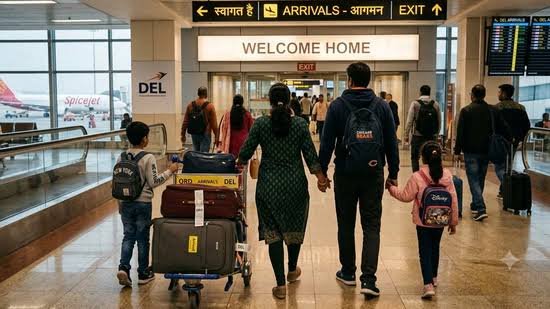
From living costs and taxes to US property, green cards and retirement savings, Gaurav Dutta says returning Indians should plan beyond assumptions
Returning to India after years abroad can involve financial, tax and lifestyle adjustments that may not be obvious before the move. Gaurav Dutta, a former Tesla employee and entrepreneur who moved back from the US in December 2024, has shared 14 misconceptions he believes non-resident Indians (NRIs) should reconsider.
In a social media post, Dutta challenged the assumption that India is automatically cheaper. While rent and domestic help may cost less in some cases, he pointed to expenses such as international schools, cars and premium housing in cities such as Gurugram as potentially significant costs.
He also highlighted tax planning. According to Dutta, the date of return can affect an individual’s tax residency for the financial year. He said returning Indians should also understand the Resident but Not Ordinarily Resident (RNOR) provisions, which can affect the treatment of overseas income depending on individual circumstances.
Dutta cautioned that NRE bank accounts may need to be redesignated once a person becomes a resident, while US financial obligations can continue after relocation. He said returning to India does not necessarily require selling US rental property, although US tax filing requirements may continue.
Other issues raised included assumptions about selling a US home tax-free, withdrawing money from a 401(k), retaining a US green card after prolonged periods abroad and regaining Indian citizenship after acquiring a US passport
He also said US credit history does not automatically transfer to India and advised returning NRIs to consider Indian health insurance before coverage is needed.
Dutta questioned the idea that a fixed savings figure, such as ₹5 crore, automatically guarantees retirement security, arguing that regular income and expenses are equally important.
His broader message was that returning to India involves more than comparing salaries or living costs. Tax status, investments, immigration, healthcare and personal expectations can all influence the transition.