
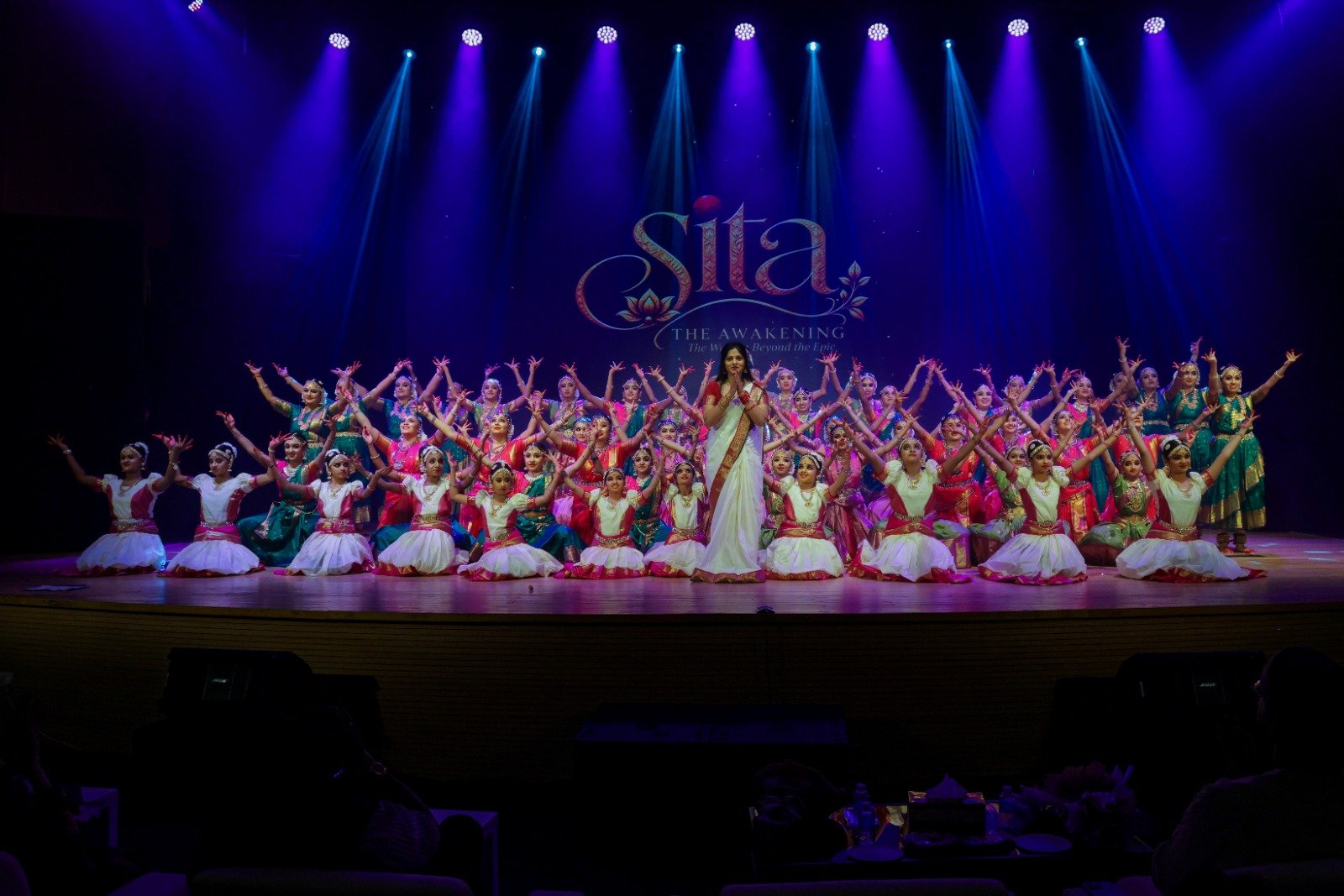
The dance production by Ahalya Performing Arts featured 55 performers and reinterpreted the experiences of women in the Ramayana.
Ahalya Performing Arts Muscat staged SITA – The Awakening (The Woman Beyond the Epic) on October 16, presenting a dance production that examined women’s identity, dignity and individuality through the stories of female characters in the Ramayana.
Held at the College of Banking and Financial Studies Auditorium in Muscat, the production featured 55 women performers. It offered an interpretation of Sita that looked beyond her traditional portrayal as a symbol of sacrifice and endurance, highlighting her self-respect, inner strength and independent identity.
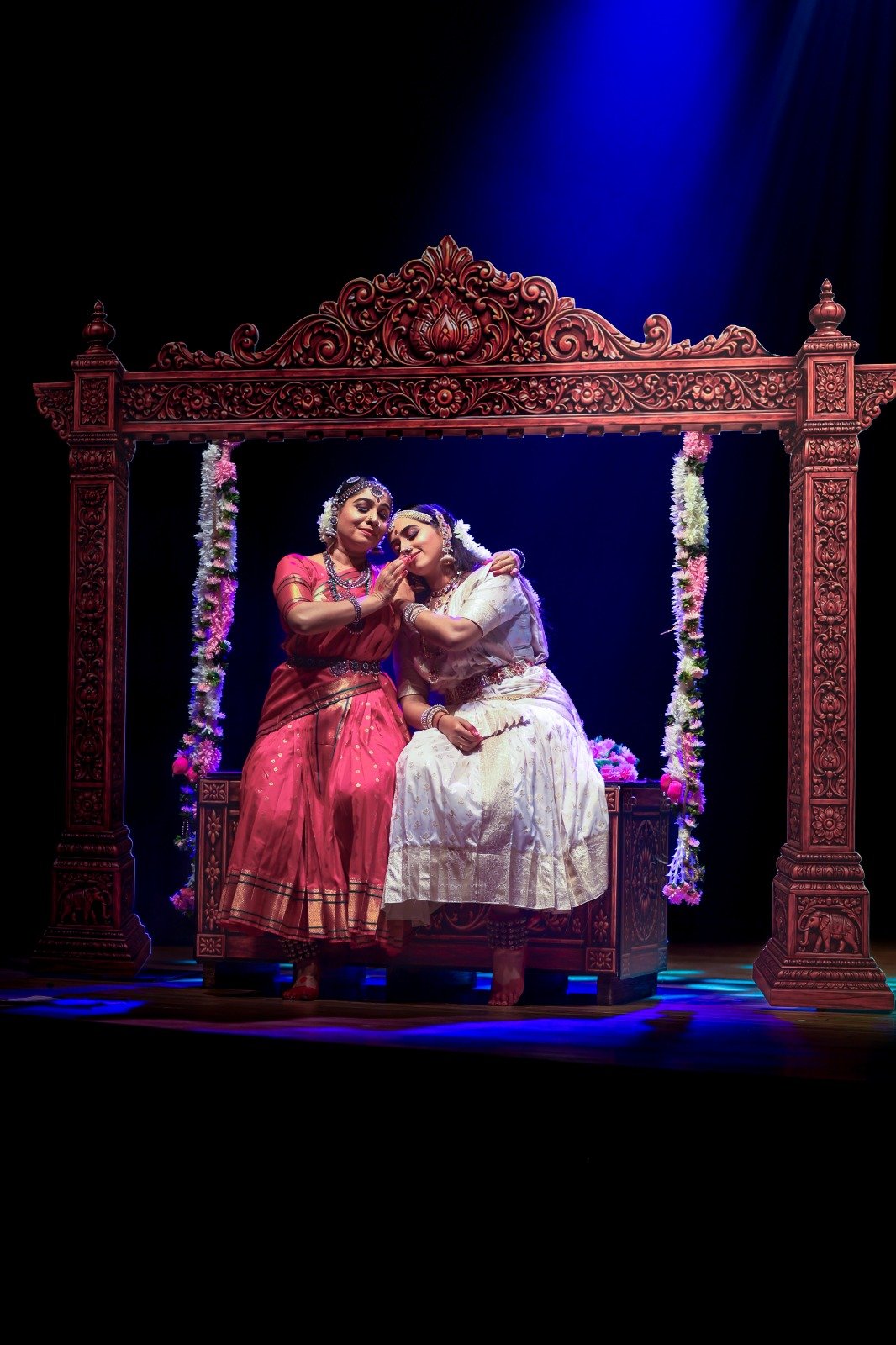
The performance also explored the experiences and perspectives of other women from the epic, including Kaikeyi, Mandodari, Urmila and Shoorpanakha, bringing their stories into a broader examination of womanhood and personal agency.
Sangeetha Sreejith conceptualised, choreographed and directed the production, while Malayalam film music director Sudeep Palanad contributed to its music and background score.
The event was attended by Alkesh Joshi, Partner and Oman Tax Leader at EY, as the chief guest, and Dr Alya Al Farsi, Assistant Dean for Academic Affairs at Middle East College, as the guest of honour. Special guests included Suresh Nair, founder of EMS, and Dr Reshmy Krishnan, Head of Research at Muscat College.
The production combined Indian classical dance with theatrical technology, using specially composed music, narration, costumes, lighting and LED visuals to present the narrative on stage
Jomin Jose wrote the narration script, with Syama Arjun providing the voice-over. Sanju Sekhar led the technical production, while Neethu Nikhil and Smriti Maheendran were responsible for costume design and pattern-making. Anoop Somadathan contributed craftwork and production accessories. NHP Events was the event partner.
By revisiting familiar characters through their individual experiences, SITA – The Awakening sought to encourage audiences to look beyond established interpretations of the epic and consider questions of identity, dignity and women’s place in society.
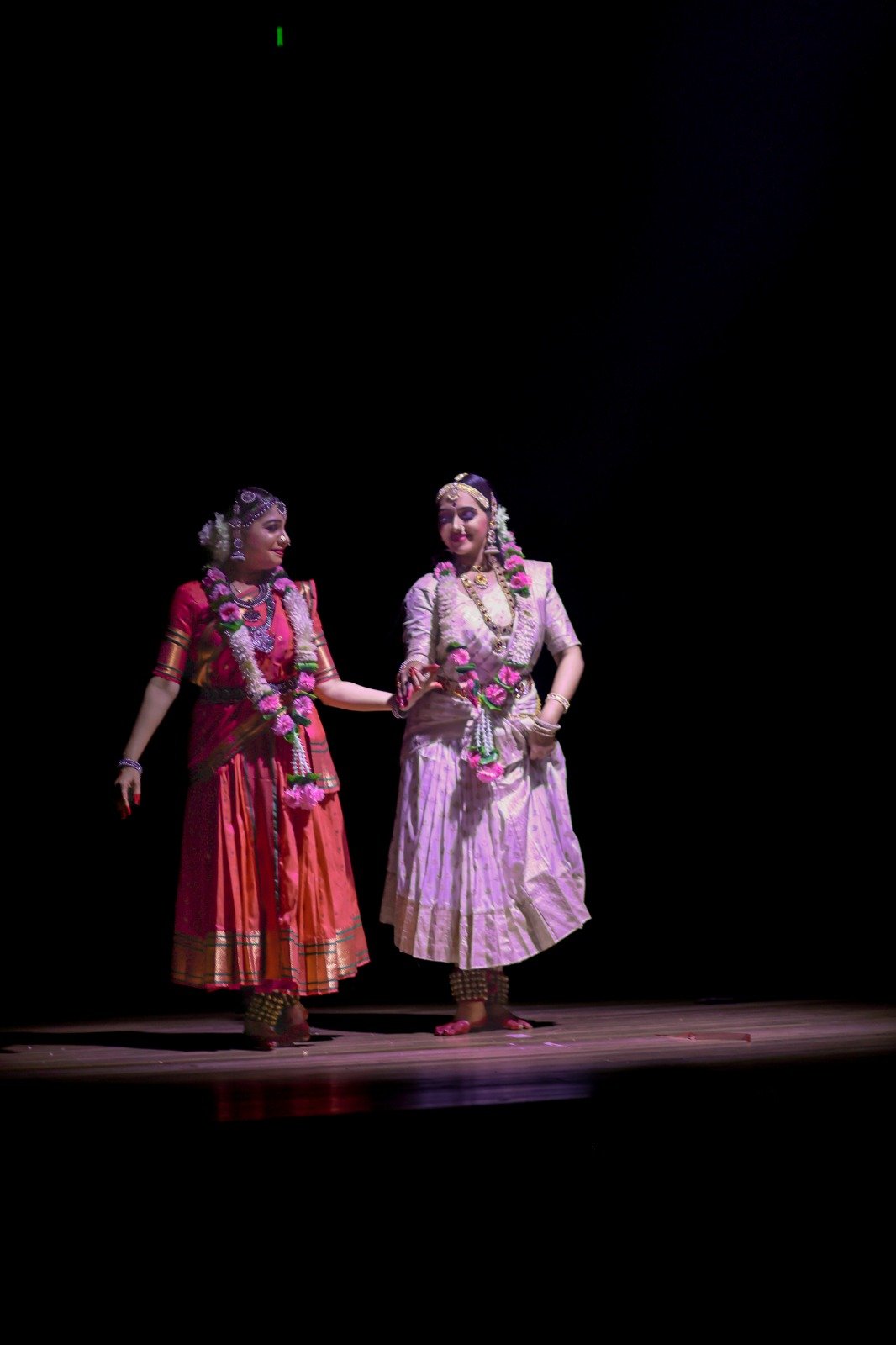
The production added a contemporary perspective to Muscat’s Indian cultural scene, using dance and theatre to explore themes that extend beyond the traditional narrative of the Ramayana.