
Over ₹8,000 crore in bank deposits and strong overseas links have transformed the Kutch village into a model of rural prosperity.
A village in Gujarat’s Kutch district has earned recognition as one of India’s wealthiest rural communities, with residents holding more than ₹8,000 crore in bank deposits, largely driven by decades of overseas migration and sustained investment by Non-Resident Indians (NRIs).
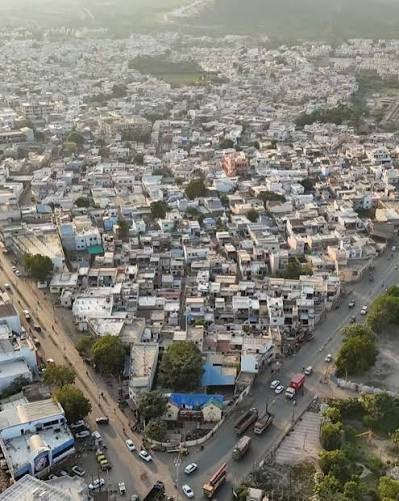
Madhapar, located near Bhuj, has become an example of how remittances and community-led development can reshape a rural economy. The village is home to around 19 bank branches, an unusually high number for a settlement of its size, reflecting its strong financial activity. Reports estimate that nearly 65 per cent of households have at least one family member living abroad, particularly in the United Kingdom, the United States, Africa and Gulf countries.
-
Money sent home by overseas residents has played a significant role in improving living standards and supporting local infrastructure
-
Alongside modern homes, Madhapar has well-developed schools, colleges, healthcare facilities, parks, places of worship and other civic amenities that rival those of many urban centres
The village’s close relationship with its global diaspora dates back several decades. In 1968, expatriates from Madhapar established the Madhapar Village Association in London to strengthen ties with their hometown and contribute to its long-term development. The association continues to support community initiatives and maintains links with residents in the village.
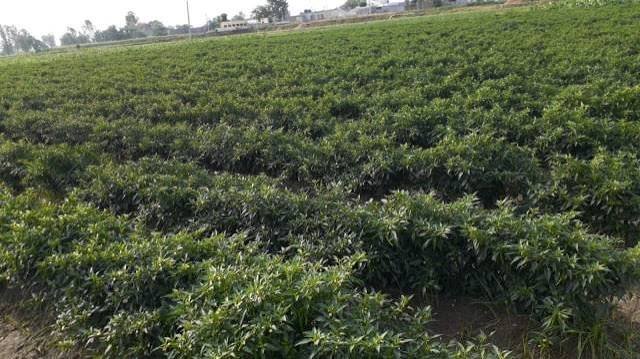
Despite its growing prosperity, agriculture remains an important source of livelihood. Farmers continue to cultivate crops that are supplied to markets in Gujarat and other parts of India, while investments from overseas families have helped modernise local businesses and generate employment.
Madhapar’s success highlights the economic impact of the Indian diaspora, demonstrating how sustained remittances, prudent financial management and community investment can transform a rural settlement into a thriving economic hub while preserving its cultural identity.