Immigration debates, political rhetoric and rising anti-South Asian hostility are challenging perceptions of a community long associated with professional success and economic achievement in the United States
Indian Americans, long regarded as one of the most successful immigrant communities in the United States, are facing growing scrutiny amid intensifying debates over immigration, high-skilled employment and cultural integration.
For decades, the community’s achievements in technology, medicine, academia, business and public service have been held up as examples of the American dream. However, changing political attitudes and criticism of immigration policies have placed Indian Americans under increasing public attention.
The debate, highlighted in a recent article by Telugu Times, reflects concerns that professional success and economic contributions no longer shield the community from anti-immigrant sentiment.
The phrase “model minority” has traditionally been used to describe Asian American communities perceived as highly educated, economically successful and socially integrated. Critics argue that the label oversimplifies the experiences of diverse communities and can conceal discrimination and other challenges.
-
Immigration has become a particularly contentious issue. Discussions surrounding high-skilled work visas, including the H-1B programme, have fuelled arguments over employment opportunities, wages and competition in the American labour market
-
Indian professionals account for a significant share of H-1B visa holders, making policy changes especially relevant to them
Concerns have also emerged over racist rhetoric and online hostility directed at South Asians. A report published in September 2026 by the Center for the Study of Organised Hate found a sharp increase in anti-South Asian hate speech on social media, documenting a 240 per cent rise in monthly hateful posts on X between January 2024 and June 2026.
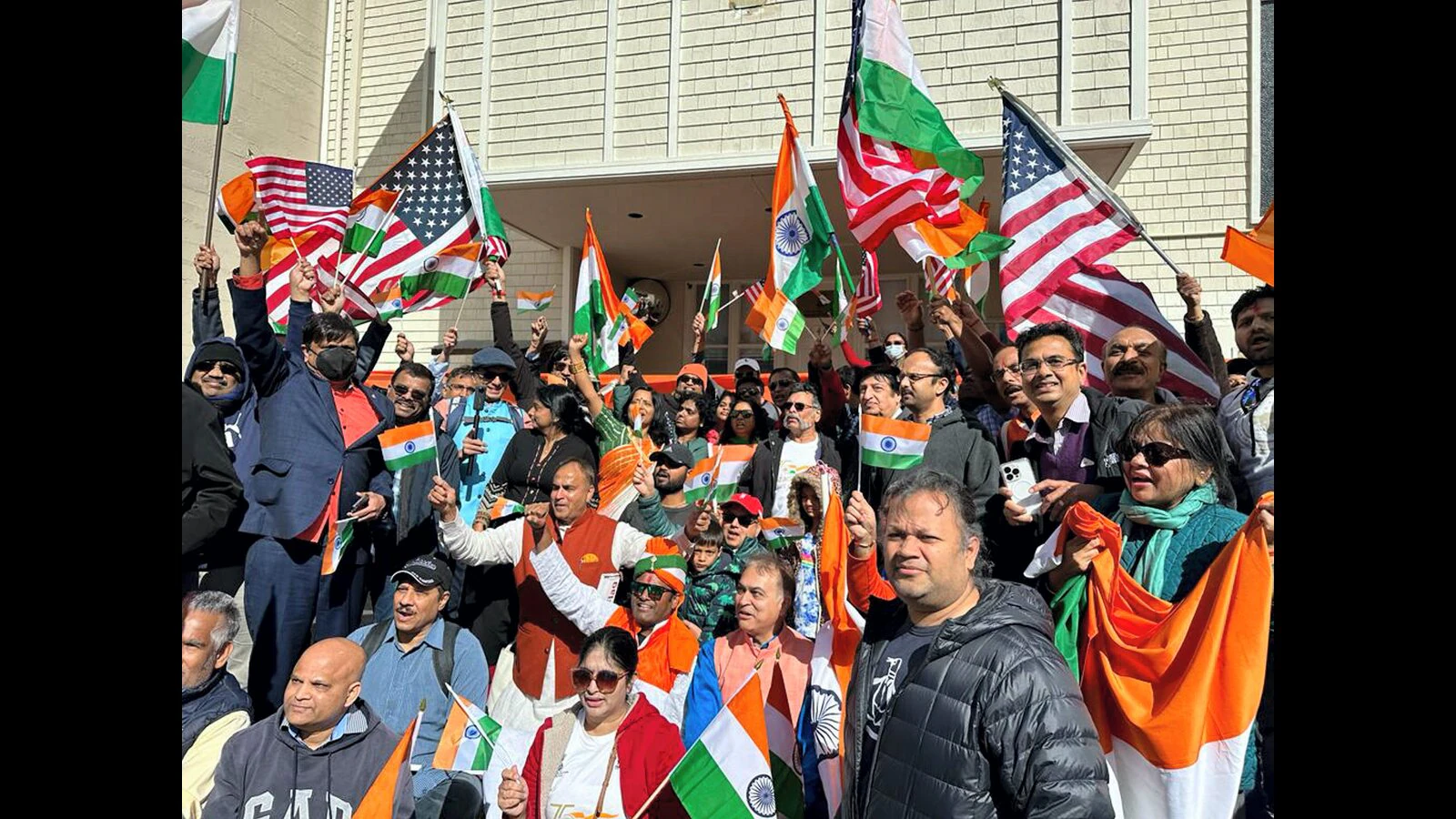
At the same time, debates over cultural visibility, community celebrations and integration have exposed differences within Indian American society over how immigrants should participate in public life while maintaining their cultural identities.
Indian Americans are far from a uniform group. The community includes established citizens, recent immigrants, international students, entrepreneurs, professionals and workers with varied economic circumstances and political views. While many have achieved considerable success, others continue to face immigration delays, workplace discrimination and barriers to social inclusion.
The changing climate presents a challenge for a community whose influence has expanded alongside its economic and political presence. Its future standing will depend not only on professional achievement but also on meaningful civic participation, broader social engagement and the ability to confront prejudice without losing its cultural identity.