
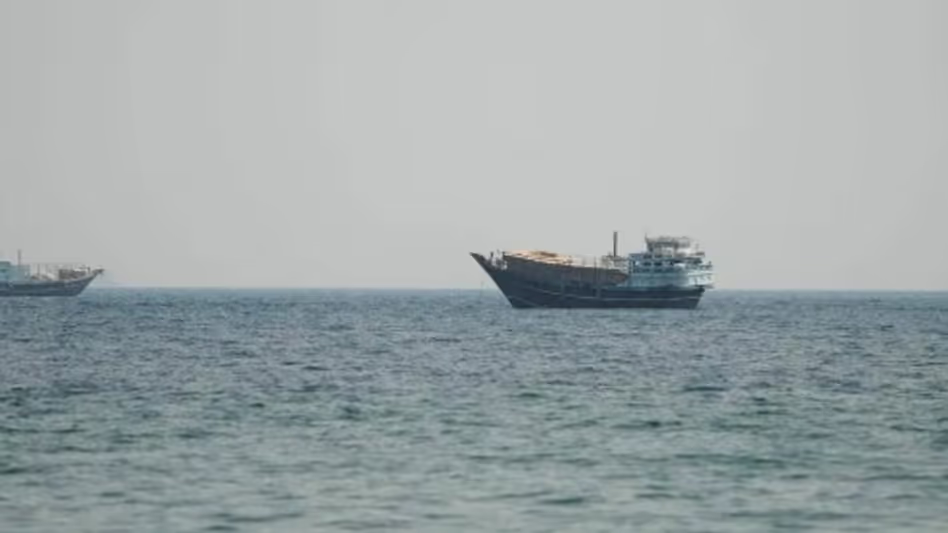
Attack on commercial vessels heightens concerns over the safety of seafarers and shipping in the strategically vital waterway
An Indian crew member was killed and six other Indian nationals were injured after Iranian cruise missiles struck two United Arab Emirates (UAE)-flagged oil tankers in the Strait of Hormuz, marking a serious escalation in regional tensions and raising fresh concerns over the safety of commercial shipping.
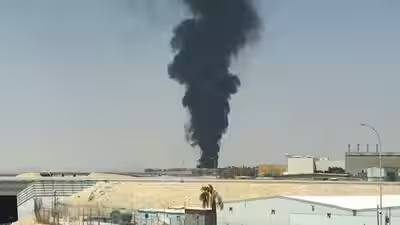
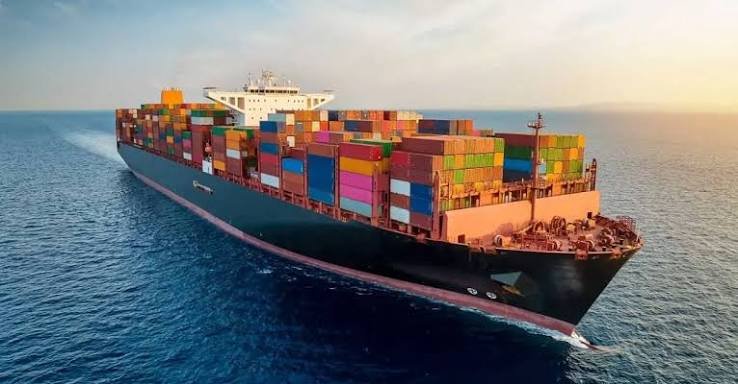
According to the UAE authorities, the missiles hit the tankers Mombasa and Al Bahyah while they were transiting the strategically important waterway. The attack also injured two Ukrainian crew members, taking the total number of injured to eight. Four of those hurt reportedly sustained serious injuries. Fires that broke out aboard both vessels were later brought under control, although the ships suffered significant damage.
-
The Strait of Hormuz is one of the world’s busiest maritime corridors, handling a substantial share of global oil exports
-
Any disruption in the narrow passage has immediate implications for international energy markets and maritime security
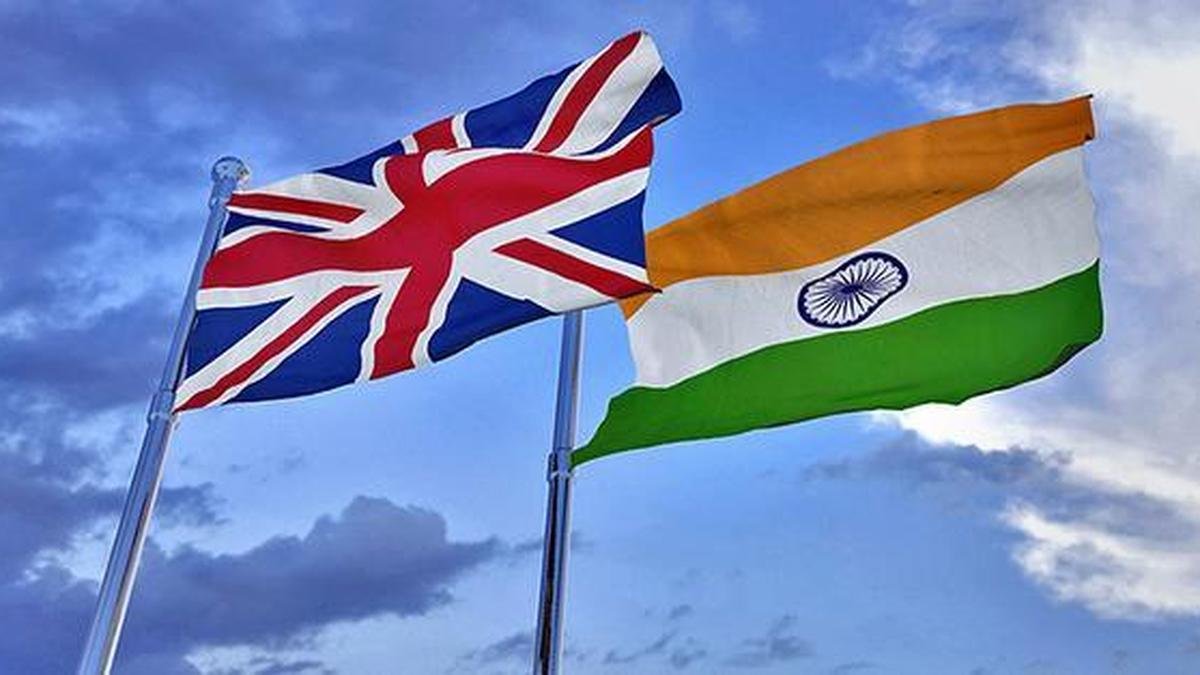
Following the attack, the Government of India summoned Iran’s deputy chief of mission in New Delhi to convey its strong protest over the death of the Indian sailor and the injuries suffered by other crew members. New Delhi urged Tehran to ensure the safety of civilian shipping and seafarers operating in the region.
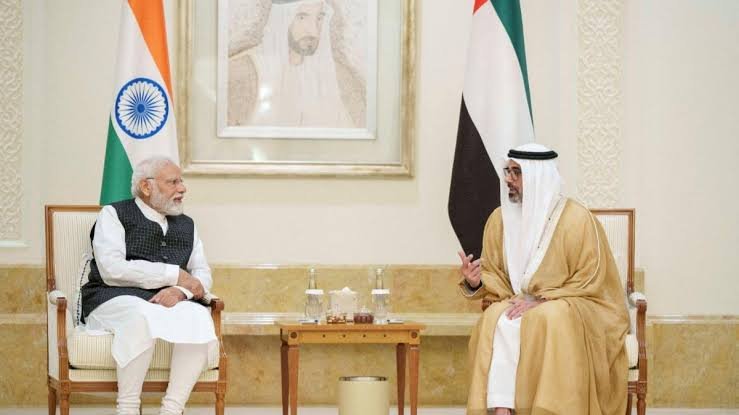
Iran’s Islamic Revolutionary Guard Corps (IRGC) claimed responsibility for targeting the vessels, alleging they had ignored warnings while navigating the Strait of Hormuz. The UAE condemned the strike, describing it as an attack on civilian maritime traffic, while regional security concerns intensified amid the continuing conflict involving Iran, the United States and Israel.
The latest incident highlights the growing risks faced by Indian seafarers, who form one of the largest workforces in the global shipping industry, as geopolitical tensions continue to threaten vital international trade routes.