
From Times Square and Trafalgar Square to Dubai and Abu Dhabi, Indian communities are blending traditional rituals with multicultural festivities as Diwali approaches on November 8
Indian communities across the United States, the United Kingdom and the Gulf are preparing to celebrate Diwali through cultural programmes, religious ceremonies, family gatherings and public festivities, reflecting the enduring connection between the diaspora and its cultural heritage.
With Diwali falling on November 8, 2026, celebrations are bringing Indian traditions into prominent international public spaces, while families continue to observe customs passed down through generations.
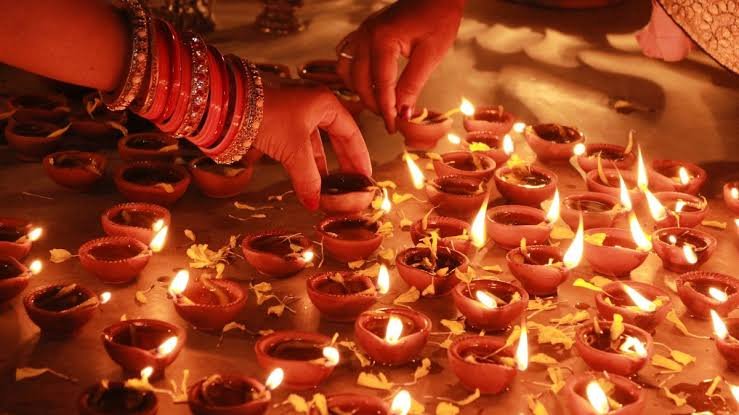
In New York, the annual Diwali at Times Square celebration took place on October 25, drawing thousands of Indian and South Asian community members. The programme featured a festive bazaar, diya lighting, music and performances by artists including Raja Kumari and Kanika Kapoor. The event also attracted people from other communities, providing a platform for cultural exchange.
-
London’s Trafalgar Square hosted its Diwali on the Square celebration on the same day
-
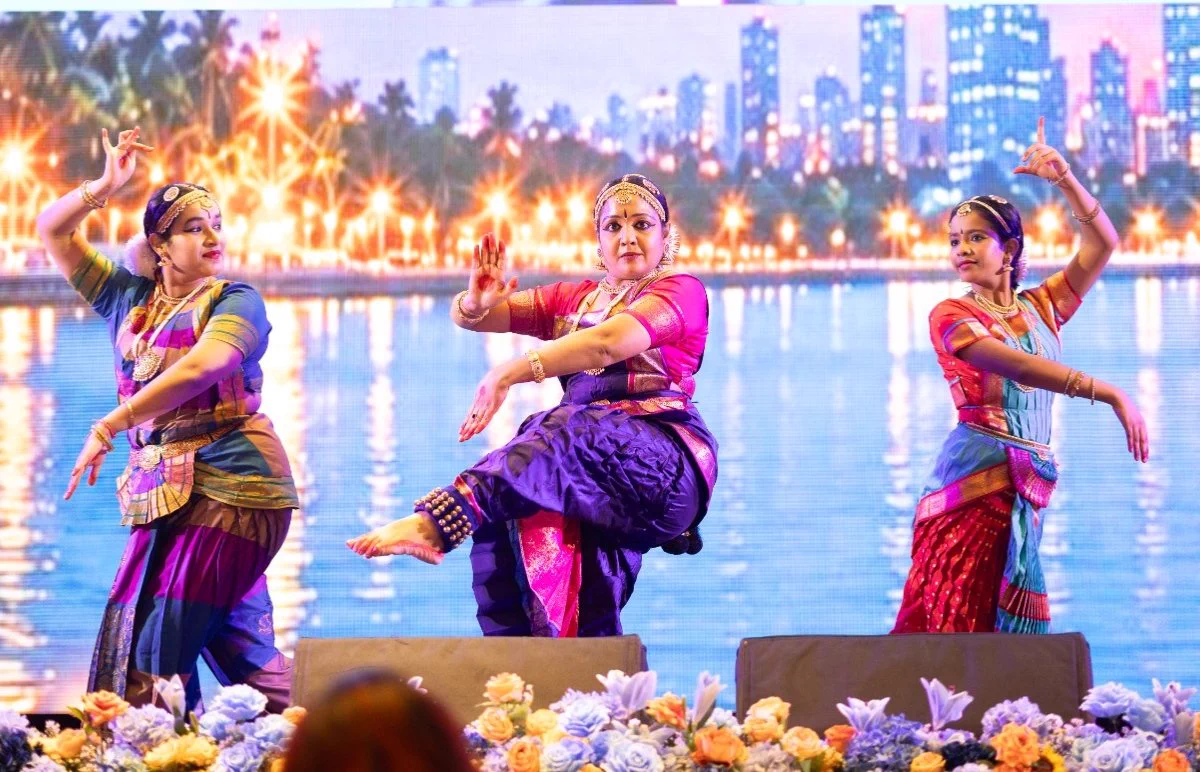
The event included performances by around 200 dancers, music, storytelling, yoga, meditation, workshops and food stalls
-
A Ramayana puppet show introduced younger visitors to traditional Indian narratives
In the United Arab Emirates, Dubai’s Festival of Lights is running from November 2 to 12, with rangoli workshops, diya-painting activities, cultural performances and festive shopping programmes. The Noor: Festival of Lights event at Souk Al Seef is scheduled for November 7 and 8.
Abu Dhabi’s BAPS Hindu Mandir is organising Diwali celebrations from November 6 to 10, featuring religious ceremonies, cultural performances and Maha Annakut Darshan, a traditional display of food offerings.
Beyond public events, family traditions remain central to celebrations. Indian households abroad continue to light diyas, perform Lakshmi Puja, prepare traditional sweets, decorate homes with rangoli and wear festive attire.
For parents raising children overseas, Diwali also provides an opportunity to introduce younger generations to Indian customs, mythology and regional traditions. Cultural associations, temples and community organisations play an important role in these efforts.
Technology has further helped families maintain connections with relatives in India through video calls, photographs and virtual gatherings.
The celebrations are increasingly attracting people from different cultural backgrounds, making Diwali an occasion for wider community participation.
For the Indian diaspora, the festival remains more than a religious observance. It is an opportunity to preserve cultural identity, strengthen family bonds and share India’s traditions with the societies in which they live.