
Indian-American politicians secure victories in congressional and state-level contests, reflecting their growing presence in US electoral politics
Indian-origin candidates registered notable victories in the 2026 US midterm elections, with several Democrats retaining or winning key political offices, while Republican Vivek Ramaswamy suffered a setback in the Ohio gubernatorial race.
The elections, held on November 3, saw Indian-American politicians compete across congressional, state and local contests, with several securing victories.
-
Among the prominent winners was Suhas Subramanyam, who retained Virginia’s 10th Congressional District
-
Democrat Pia Dandiya also won Florida’s 22nd Congressional District, defeating Republican candidate Casey Askar to enter the US House of Representatives
Veteran Democratic lawmakers Ro Khanna and Pramila Jayapal secured re-election from California’s 17th Congressional District and Washington’s 7th Congressional District, respectively. Ami Bera also won another term in the House, extending his congressional tenure.
Aruna Miller, who was born in Hyderabad, won re-election as Maryland’s lieutenant governor alongside Democratic Governor Wes Moore. Her victory marks another milestone for the Indian-American community in US politics.
Other Indian-origin candidates secured victories in state-level contests. Josh Kaul won the Wisconsin attorney general’s race, while Jyot Singh won Georgia’s House District 97. Aparna Raj was elected to the Washington DC Council from Ward 1.
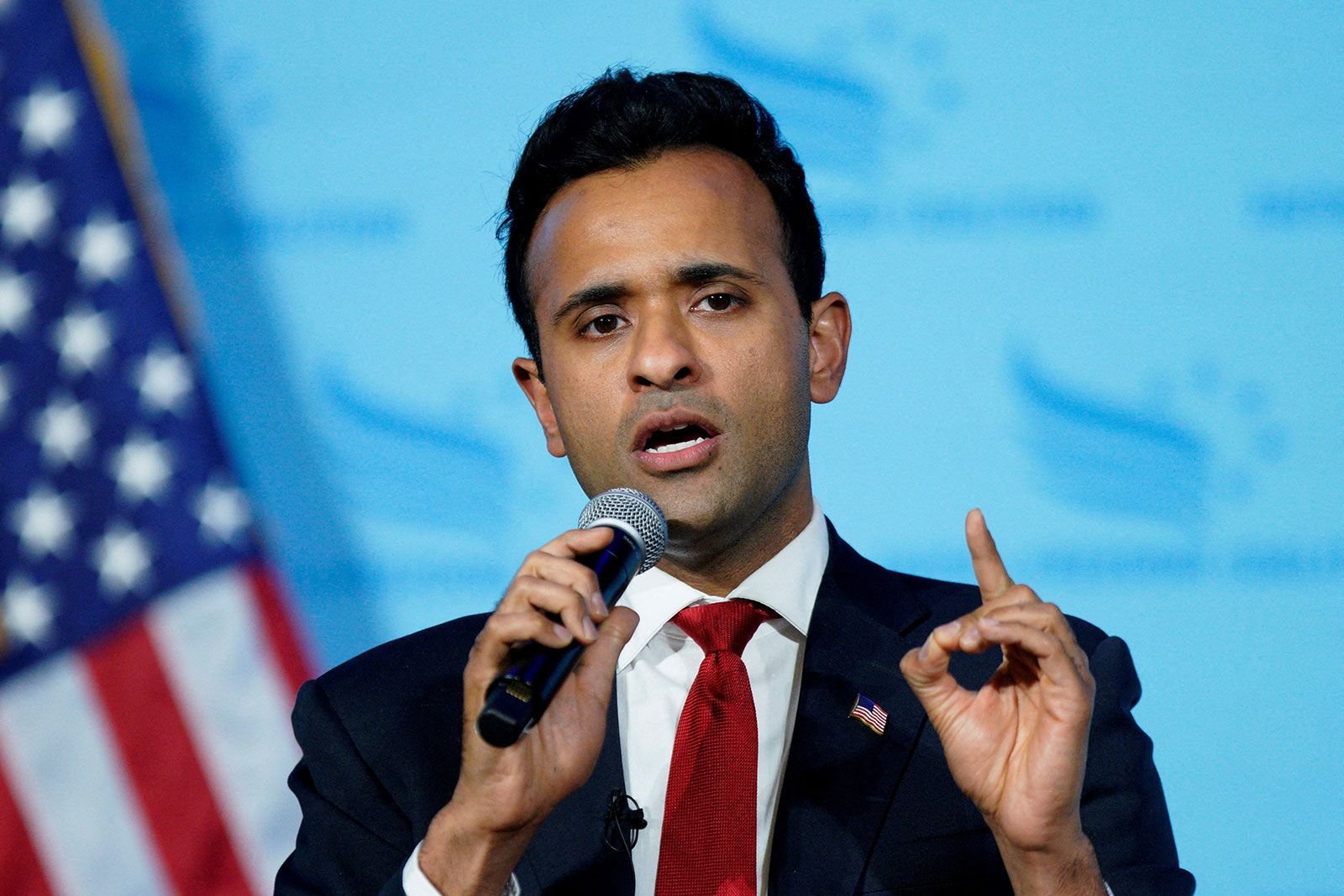
However, the election also delivered a major setback to Ramaswamy, who lost the Ohio governor’s race to Democrat Amy Acton. Ramaswamy, whose parents emigrated from Kerala, had received the endorsement of US President Donald Trump.
Several other Indian-origin candidates faced defeats, while some local contests remained subject to final results.
The victories underline the expanding political participation of Indian-Americans, who have increasingly entered elected offices at federal, state and local levels. Their growing representation also provides the diaspora with a stronger voice in discussions on immigration, education, business and community affairs.