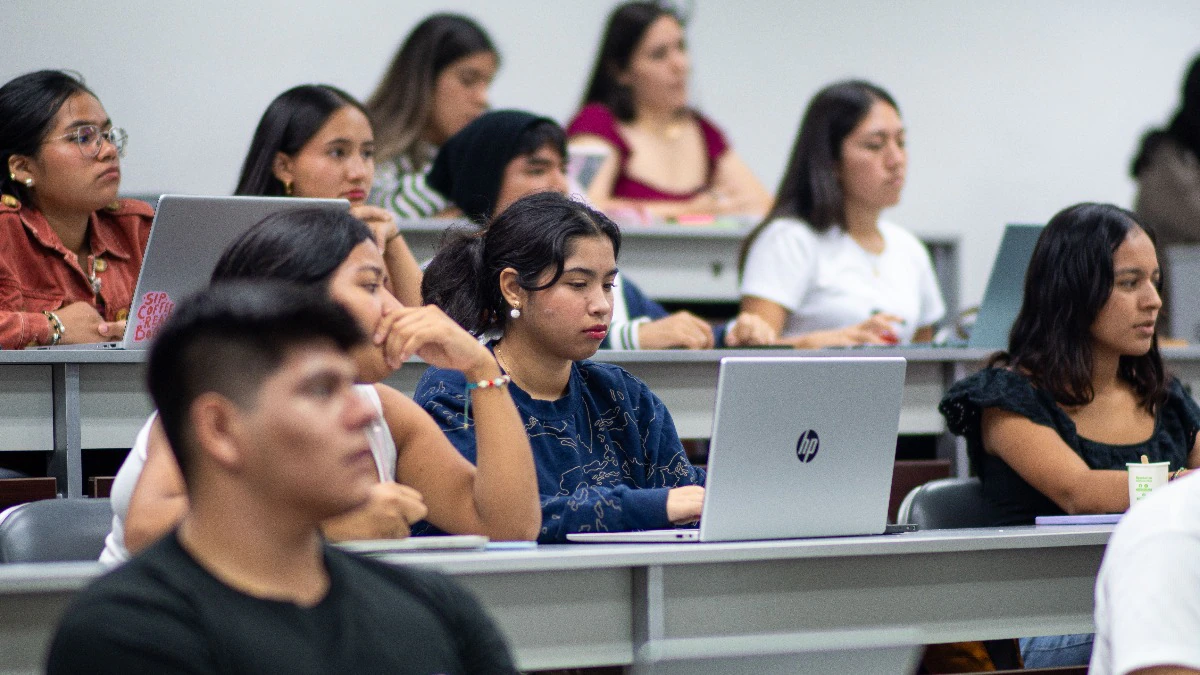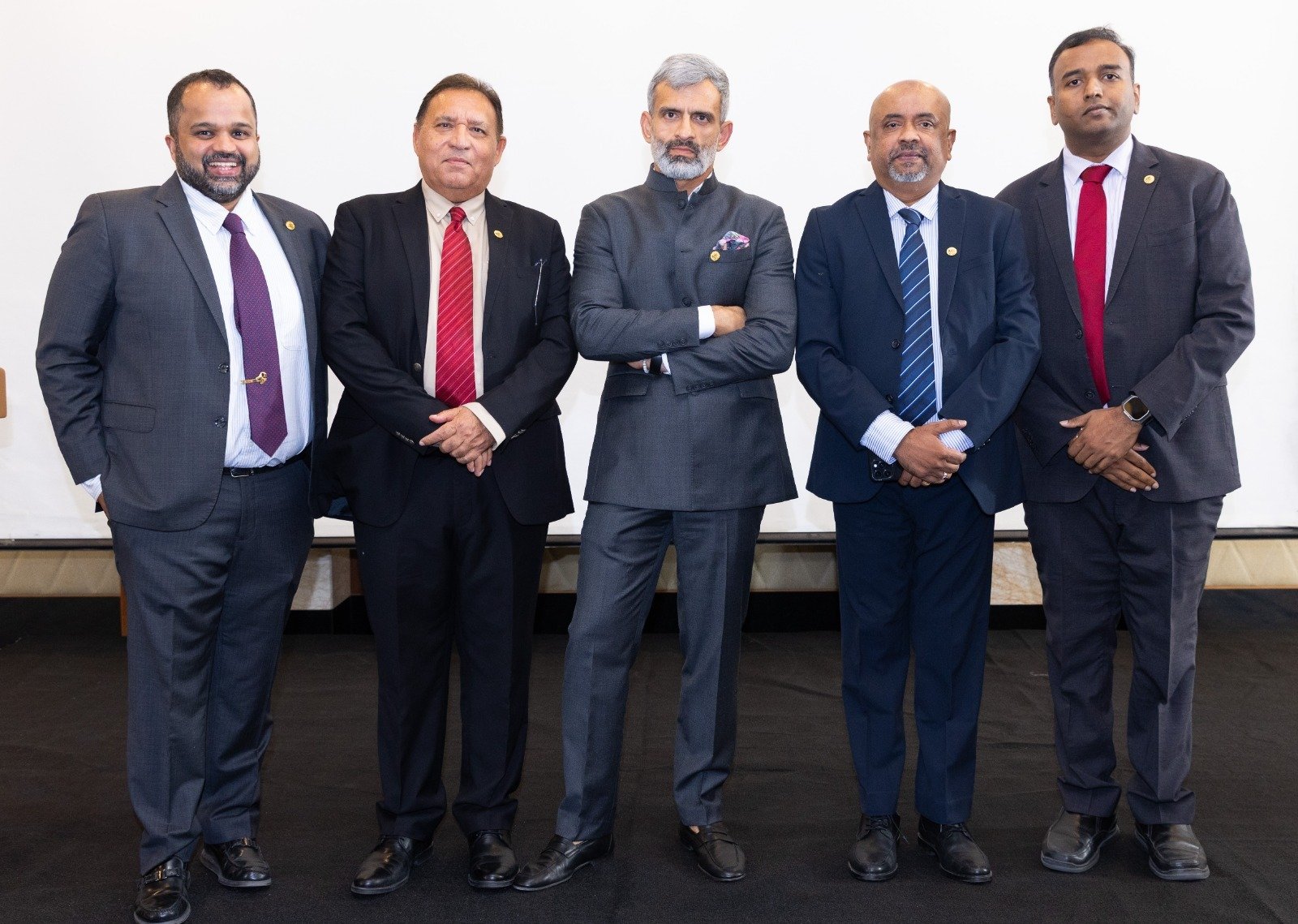

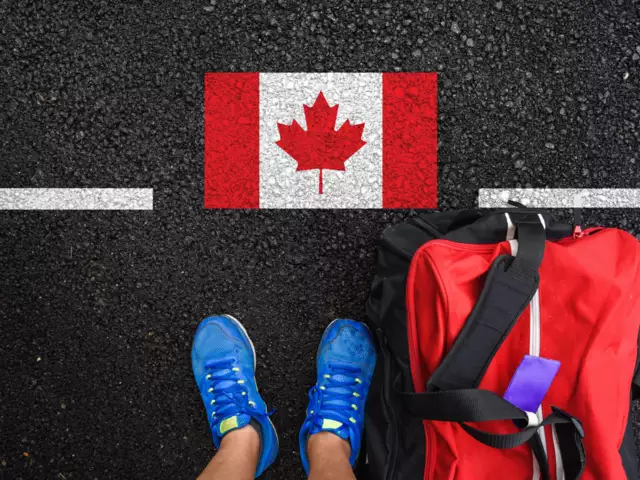
Diaspora representatives stressed that protecting genuine students from exploitation remains essential for preserving long-term educational and economic ties between India and Canada amid continuing migration-policy adjustments
Indian diaspora organisations in Canada have intensified warnings against fraudulent overseas education recruitment networks after fresh concerns emerged during the past 24 hours regarding fake admission documentation, misleading immigration promises, and exploitation targeting Indian students.
Community leaders in Toronto, Brampton, Surrey, and Vancouver stated that several families recently reported suspicious consultancy practices involving forged financial documents, fabricated college admission offers, and unrealistic guarantees of permanent residency through student migration routes.
The renewed concern follows continuing scrutiny surrounding Canada’s tightening oversight of international study permit applications and fraud-prevention measures. Canadian authorities previously identified large numbers of fake college acceptance letters submitted through unauthorised immigration consultants and intermediary agents operating internationally.
-
Indian-origin advocacy groups warned that aggressive marketing by unregulated recruitment firms is exposing students and families to severe financial losses, visa refusals, and legal complications
-
Several organisations called for stronger bilateral enforcement cooperation between Canadian and Indian authorities targeting fraudulent migration businesses
Immigration lawyers said legitimate students are increasingly facing stricter financial verification checks and documentation reviews because of widespread fraud concerns affecting the broader system.
Canadian colleges and universities also expressed concern that unethical recruitment practices are damaging confidence in the country’s international education sector. Educational institutions have increasingly expanded direct outreach and authorised recruitment verification systems to protect prospective applicants.
Indian students remain Canada’s largest overseas student population despite declining approval rates and rising political debate surrounding temporary migration growth.
Community organisations urged families to verify institutions carefully, avoid cash-only consultancy arrangements, and confirm immigration advice exclusively through licensed professionals.
Policy analysts observed that international education has become a politically sensitive issue in Canada because of links to housing demand, labour-market pressure, and infrastructure strain.